

Chapter I editorial shoot
Islas de los Pintados
Spanish ships reached the Visayas in 1521. Spanish accounts called the islands the Islas de los Pintados, the islands of the painted people, after the tattoos they saw. This board sets the look for the Chapter I fashion editorial.
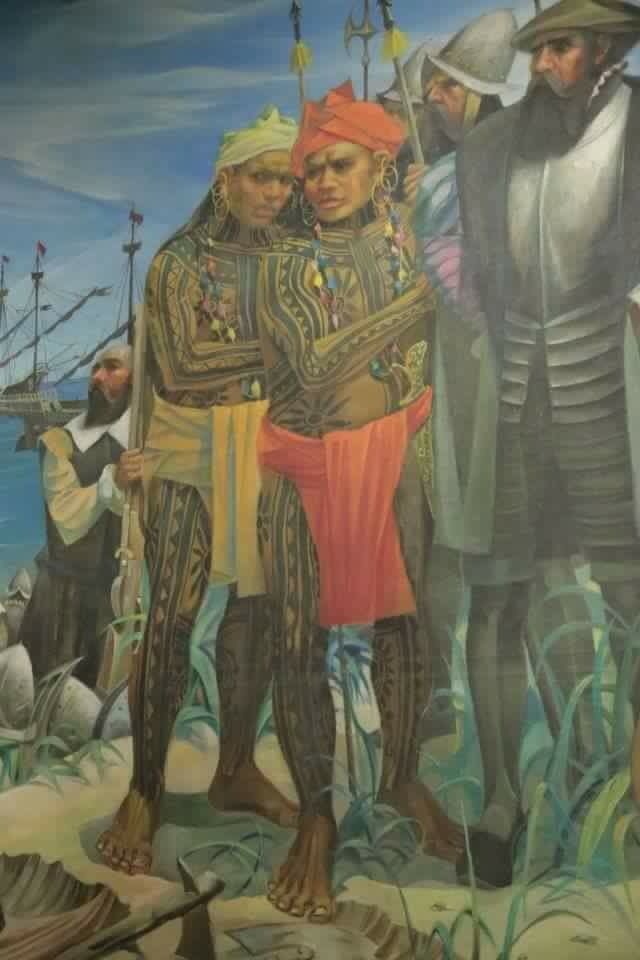
The story
The editorial connects 1521 to Filipino Americans today.
Chapter I covers precolonial Visayan tattooing, Spanish colonization, and how Filipino Americans relate to that history today. The editorial shows that history on Filipino Americans now: each look combines precolonial references, Spanish-era dress, and contemporary pieces.
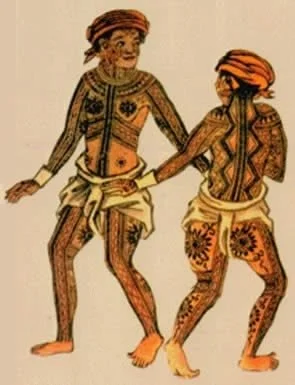
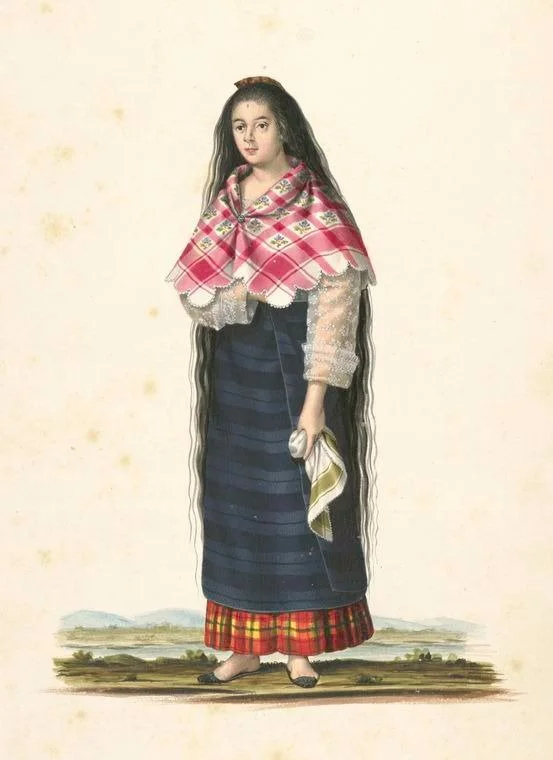
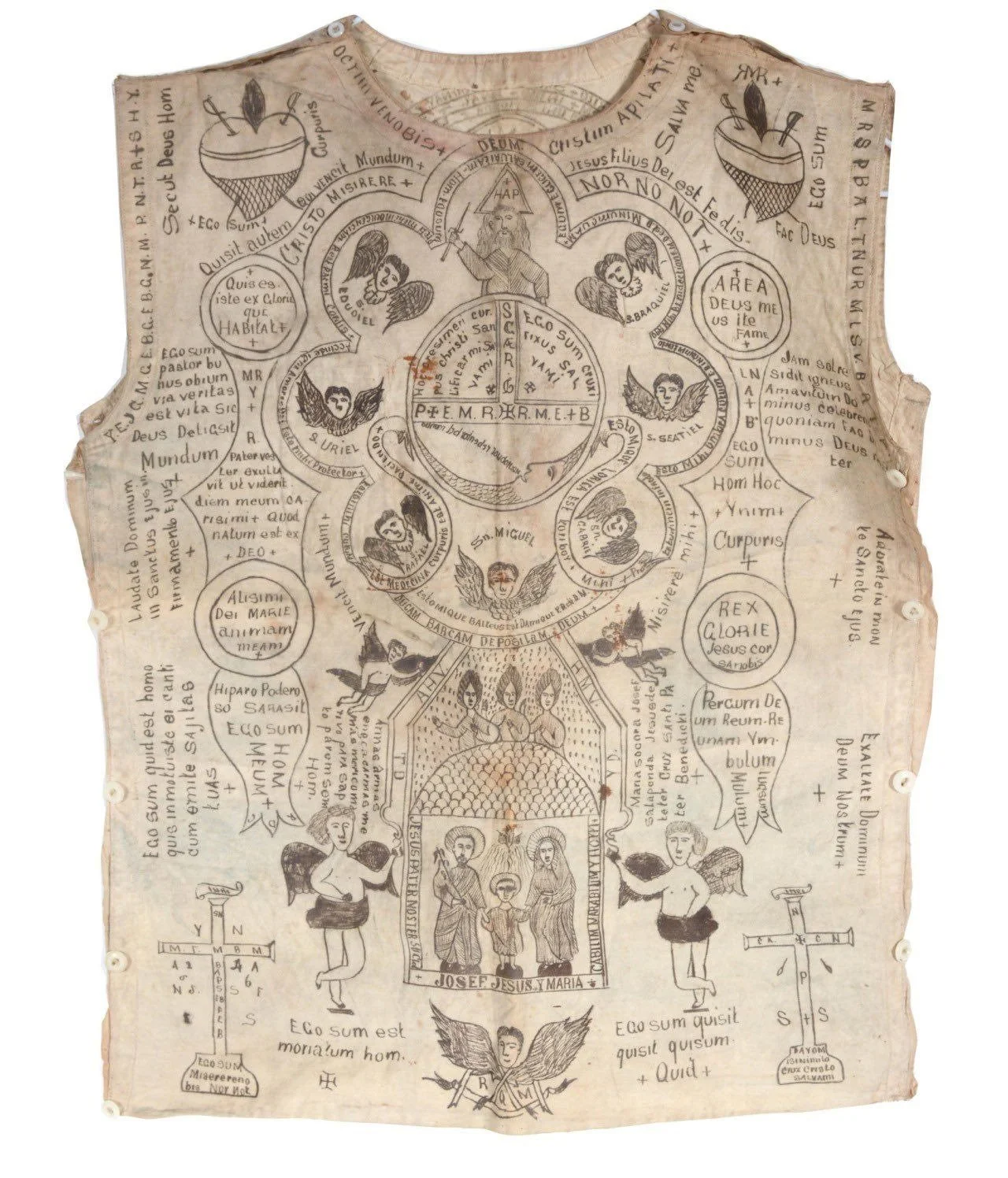
The first two looks
The editorial will have three to six looks. These first two set the direction for the rest.
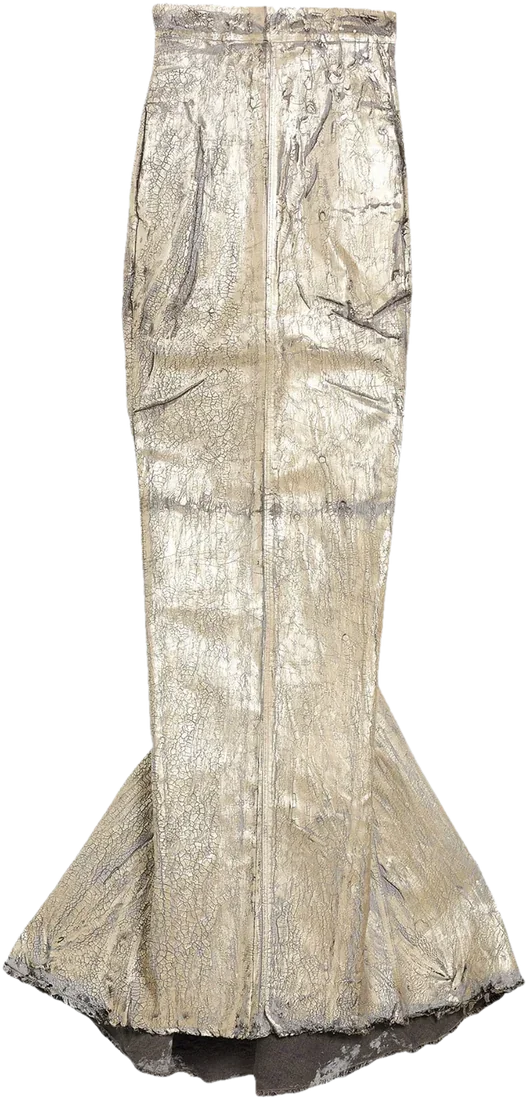
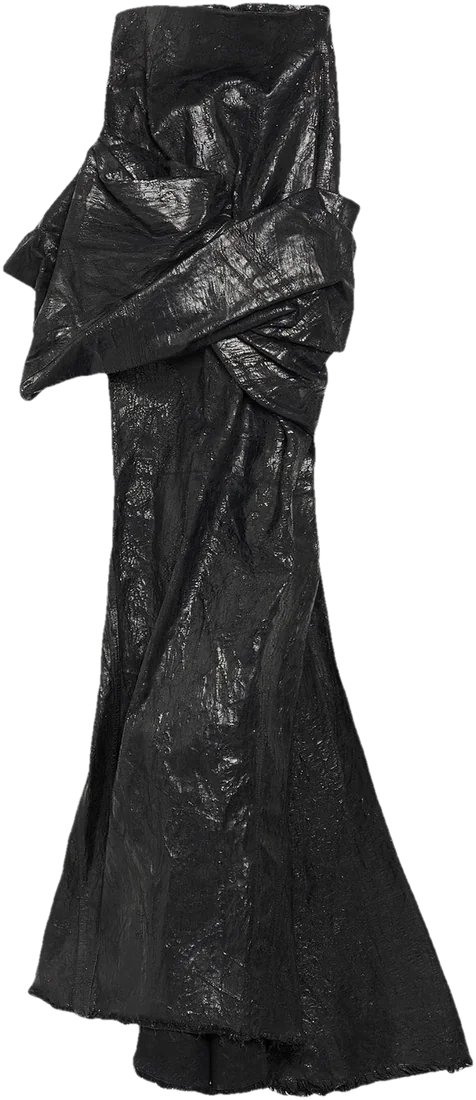
Both skirts are from Rick Owens’ Lido collection (Spring/Summer 2024). Their crackled finish looks like skin breaking open to reveal a second skin underneath.
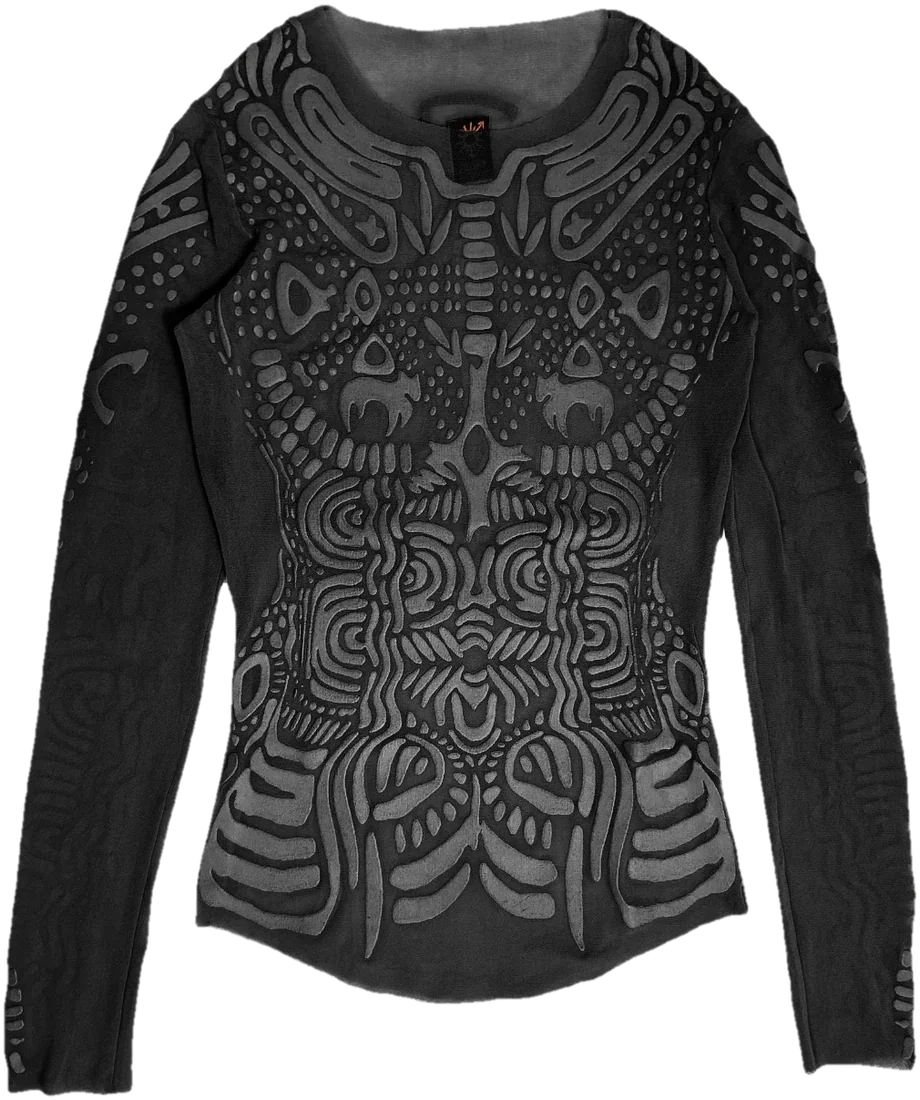
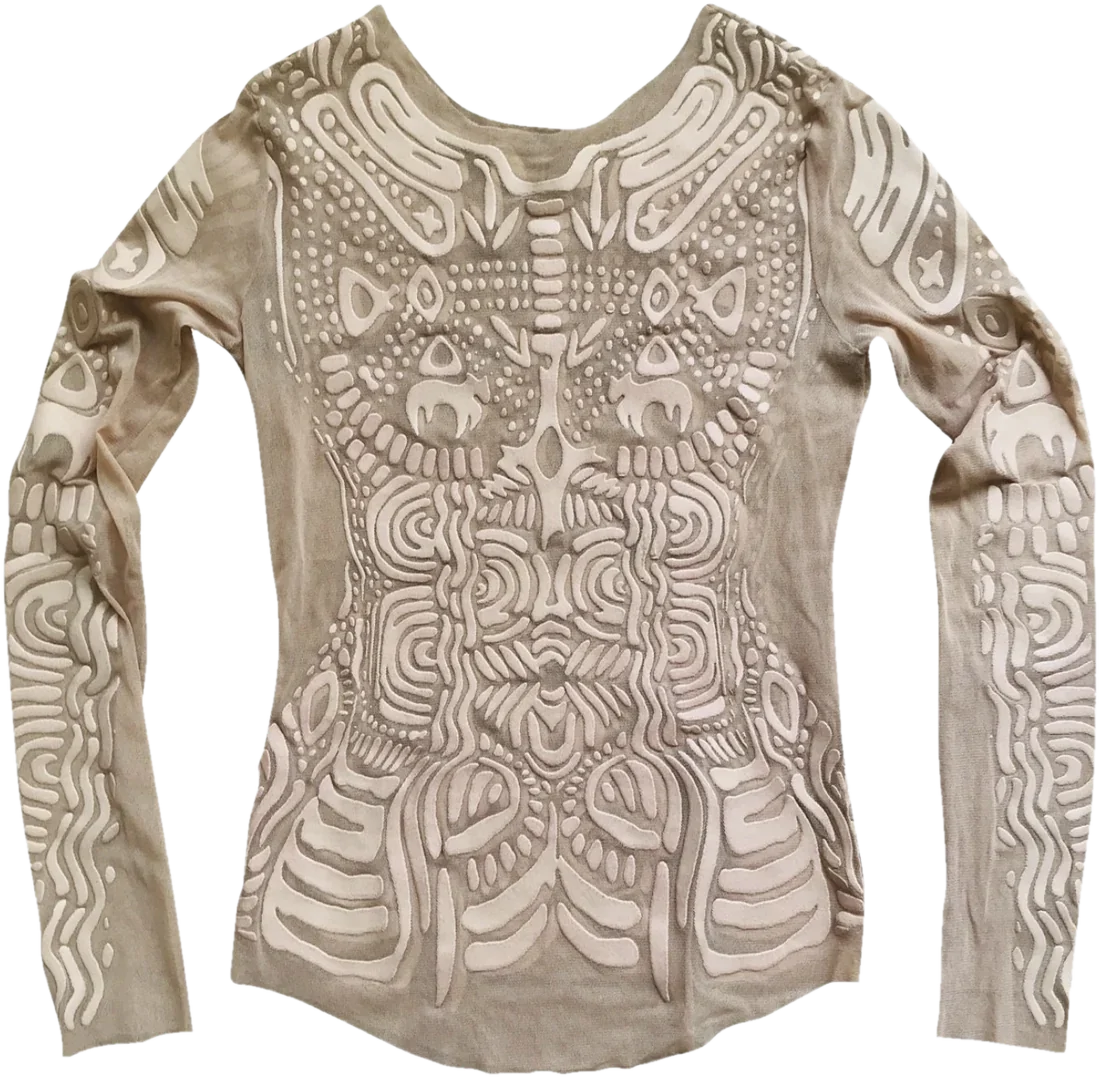
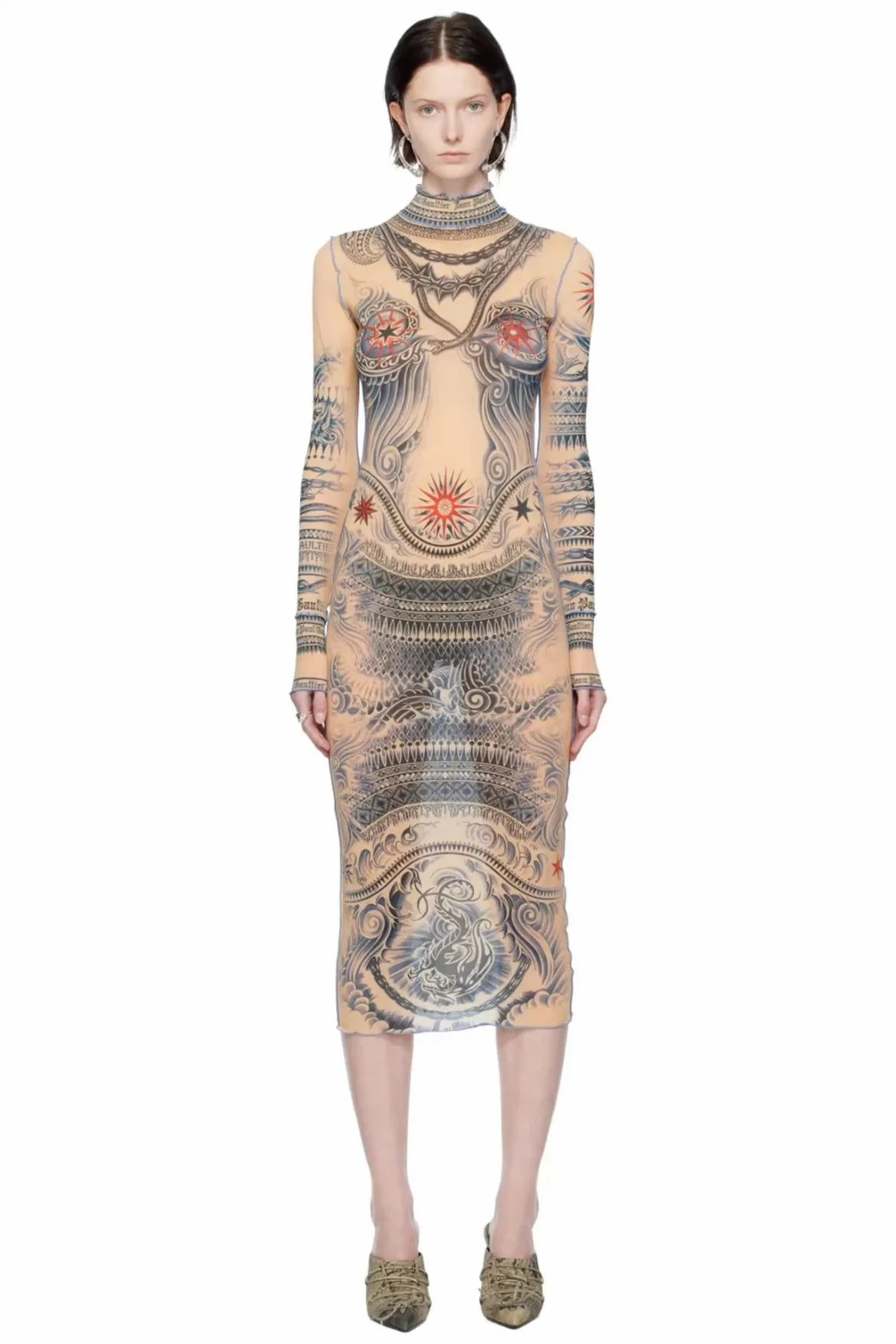
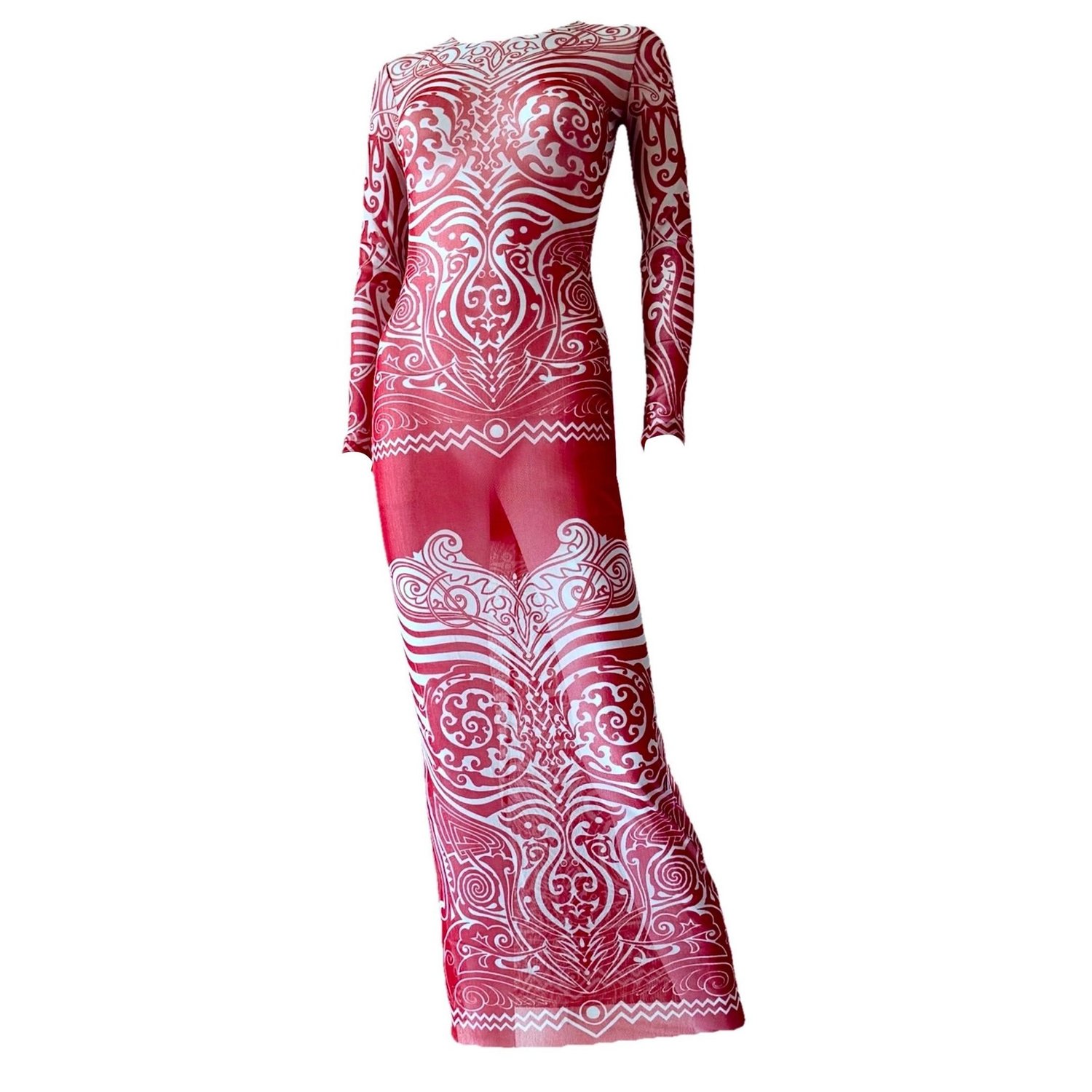
Both sheer tops are Jean Paul Gaultier from 1996, part of the “second skin” tattoo pieces that are now some of his most collected work. Their patterns don’t come from Filipino tattoo traditions, and that’s why we chose them. Western luxury houses have long taken from Indigenous communities and communities of color without credit. Here, Filipino models wear those pieces next to Visayan tattoo history that is named and credited, so the borrowing is visible for what it is.
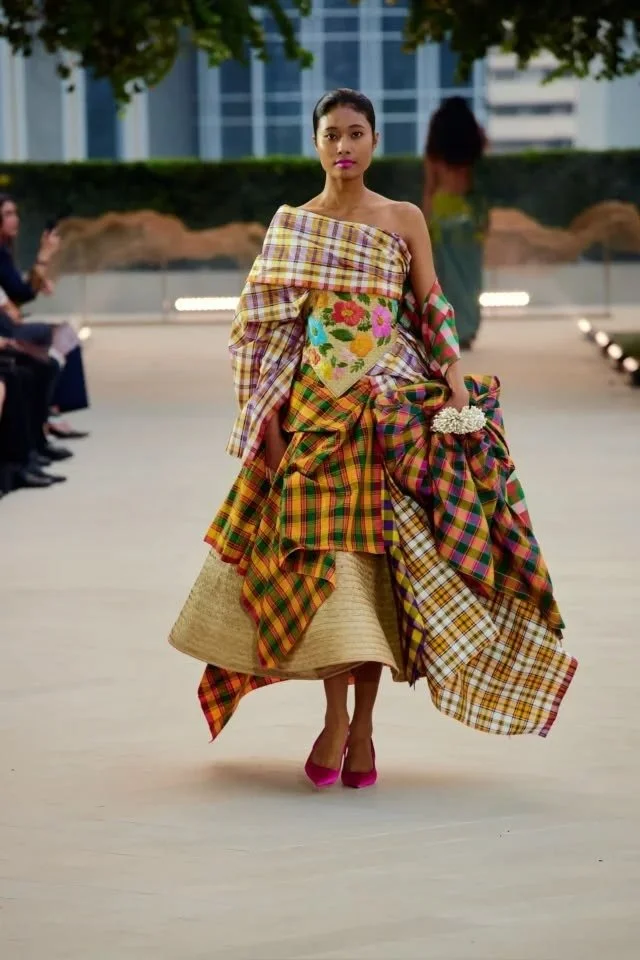
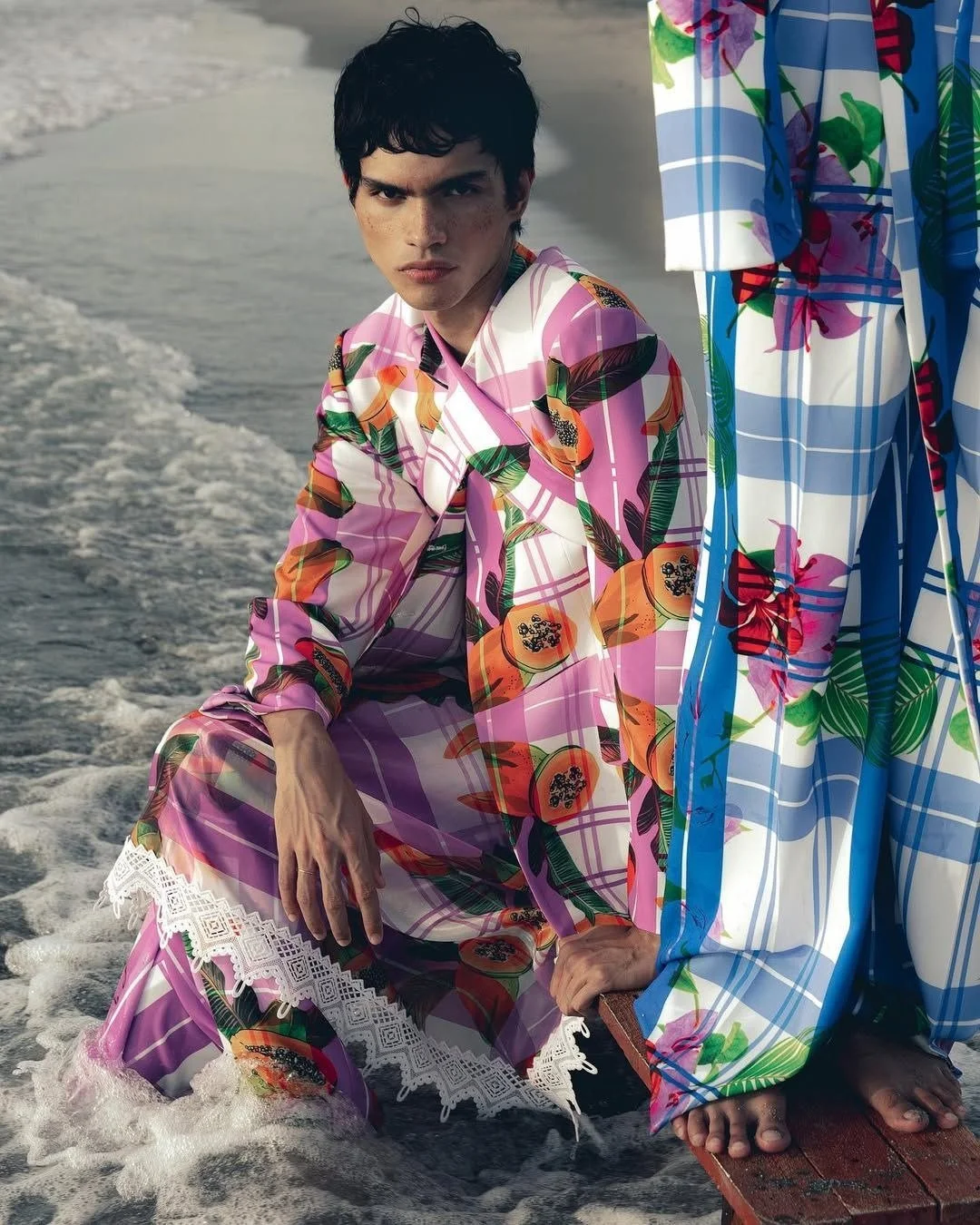
We also style garments by Filipino designers in the same looks as Rick Owens and Gaultier. Putting them side by side says what we believe: Filipino design belongs on the same platform as the names fashion already reveres.
The Oregon coast
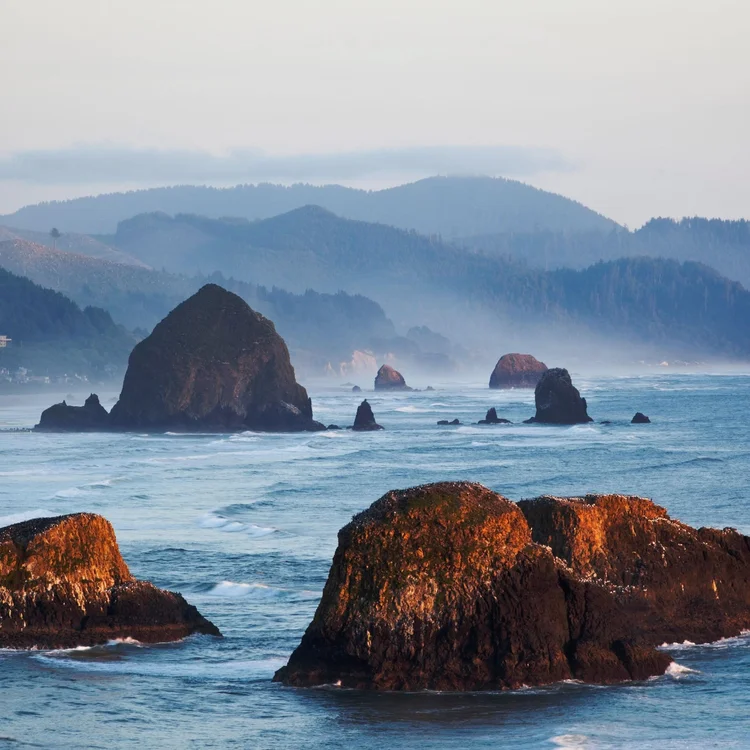
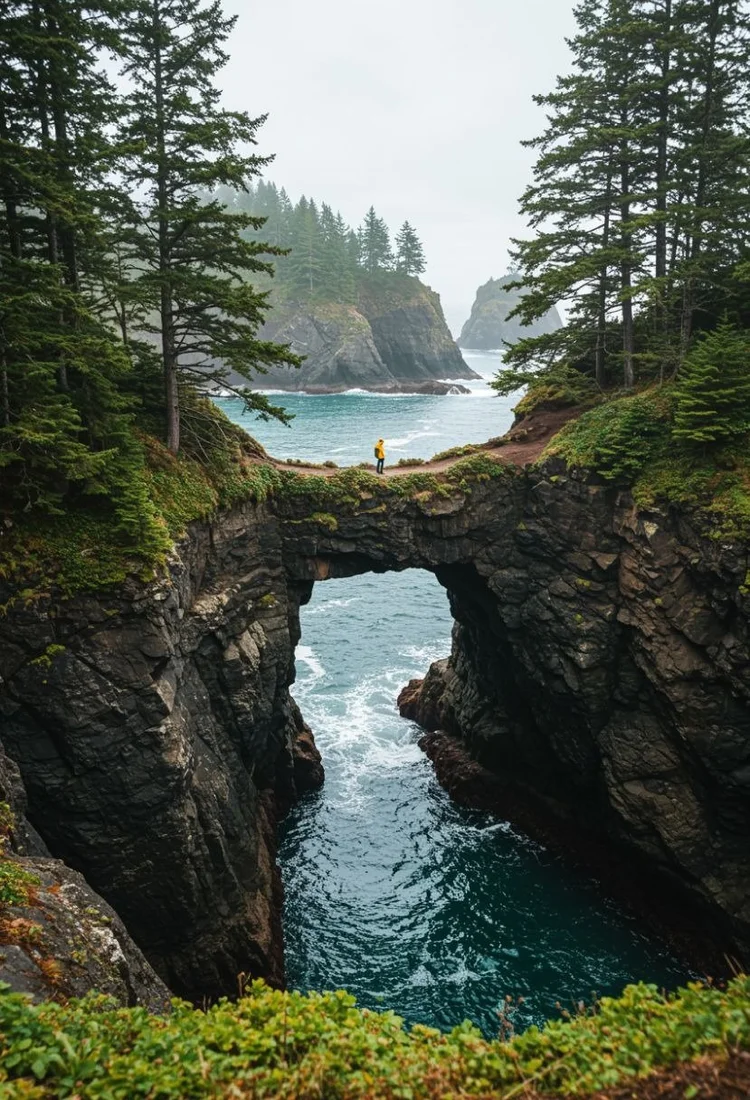
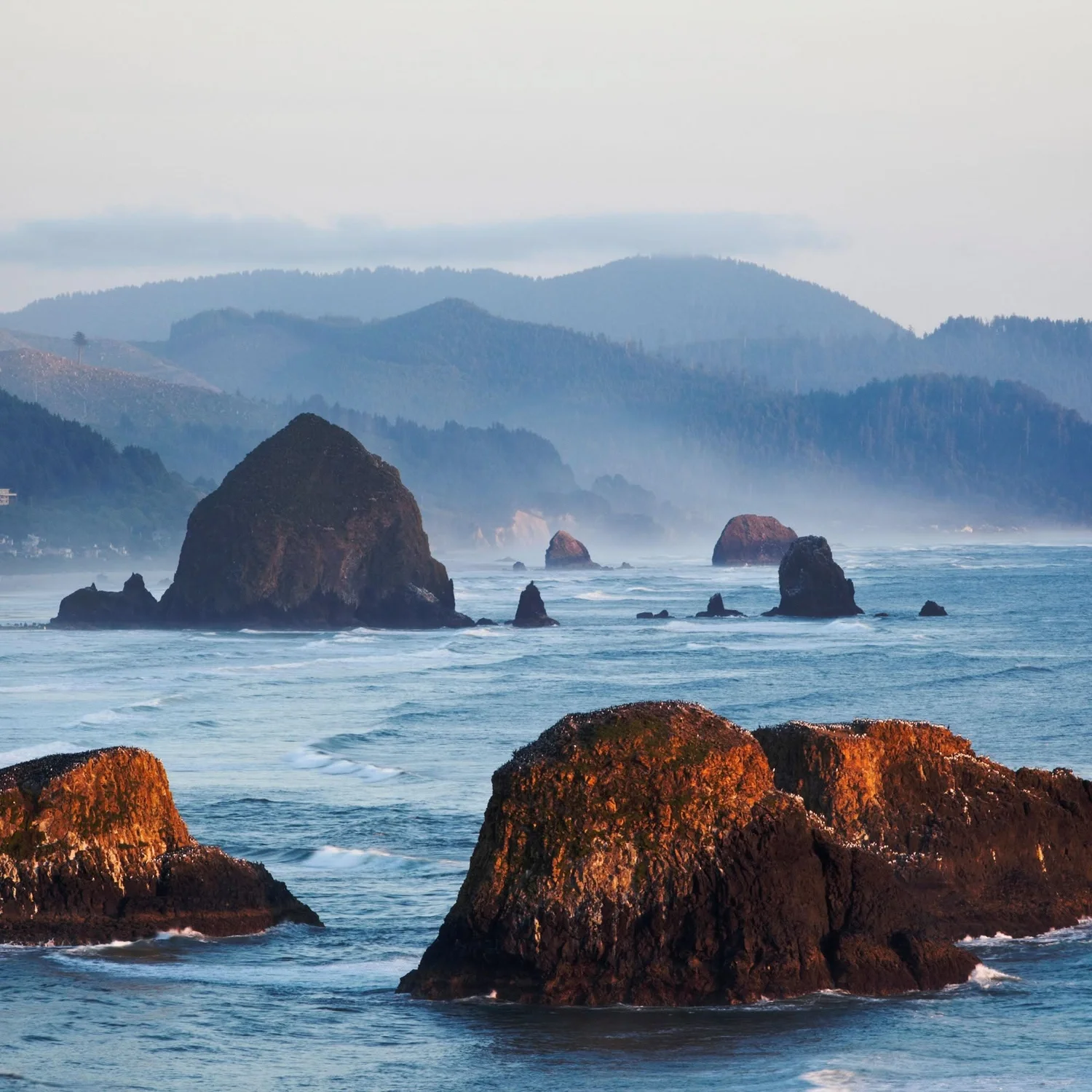
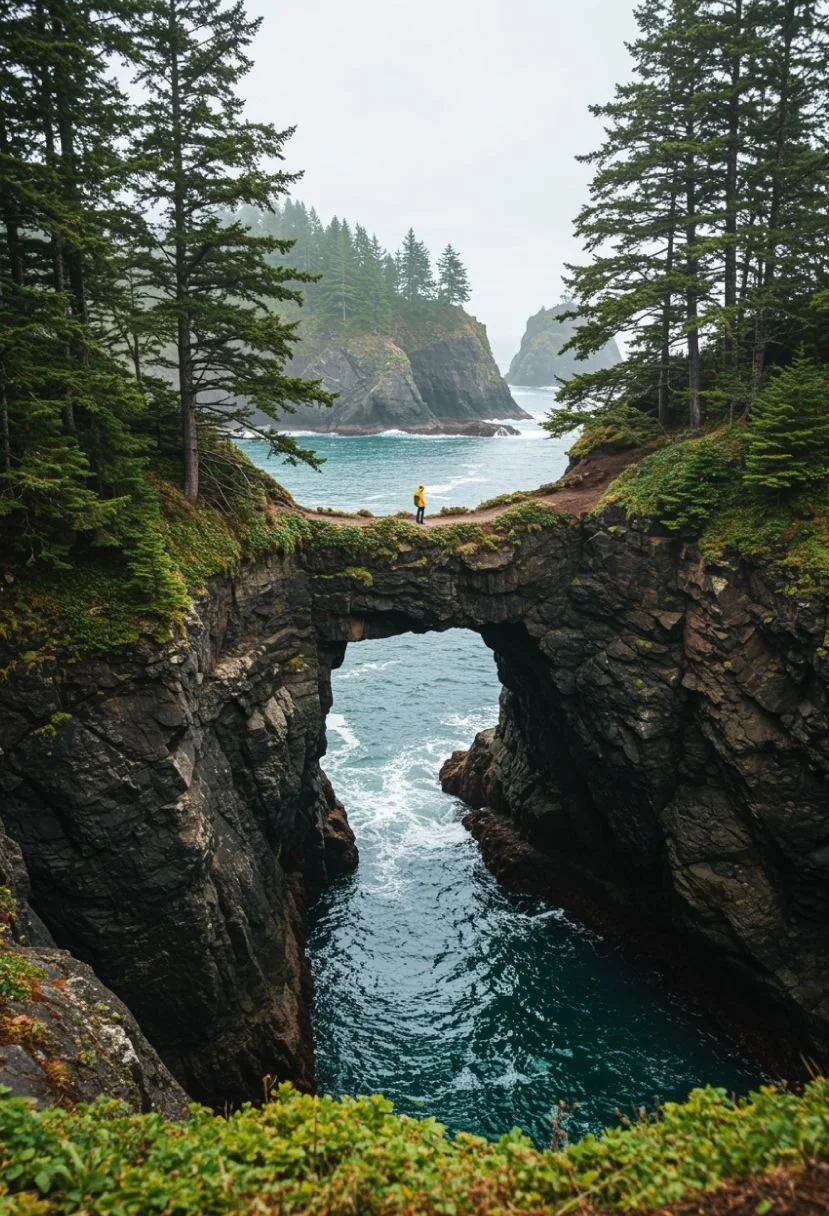
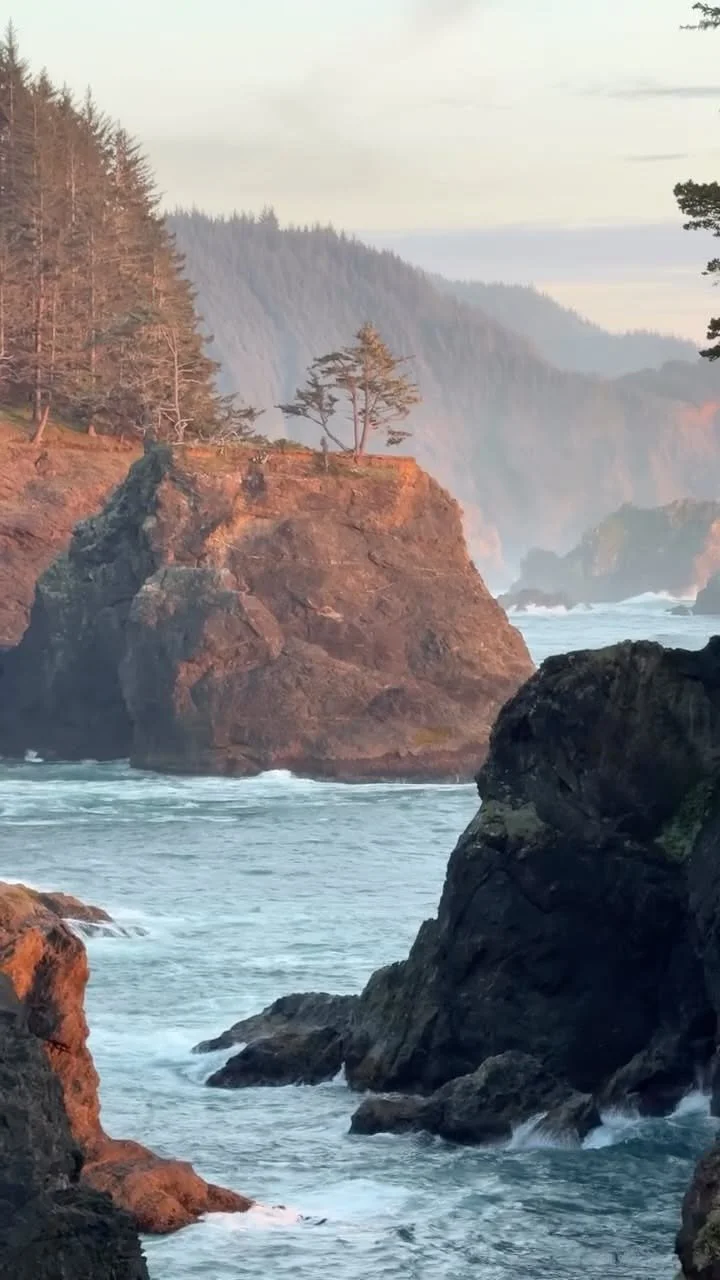
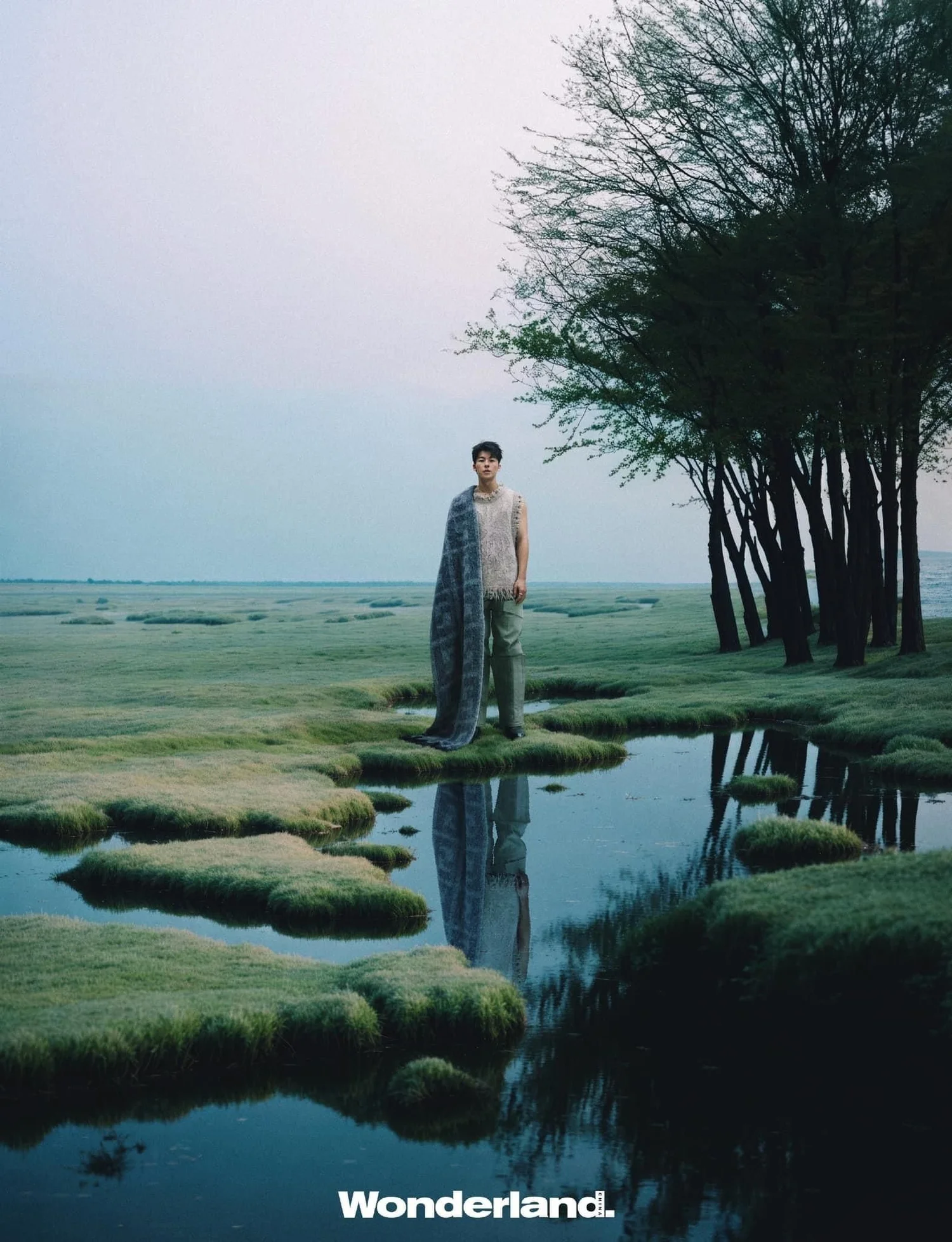
Why Oregon: the coast stands in for the islands and roots the Filipino story here.
The rocky shoreline and forest recall the Philippine islands, and shooting here ties the Filipino story to Oregon. Later chapters return to this coast with the Santo Cristo de Burgos, the Manila galleon believed to have wrecked near Nehalem in 1693.
We shoot outdoors all day in February. Expect cold temperatures, wet sand and rock, and light that changes by the hour. Bring rain covers for gear and warm layers for the model between looks.

Light and color
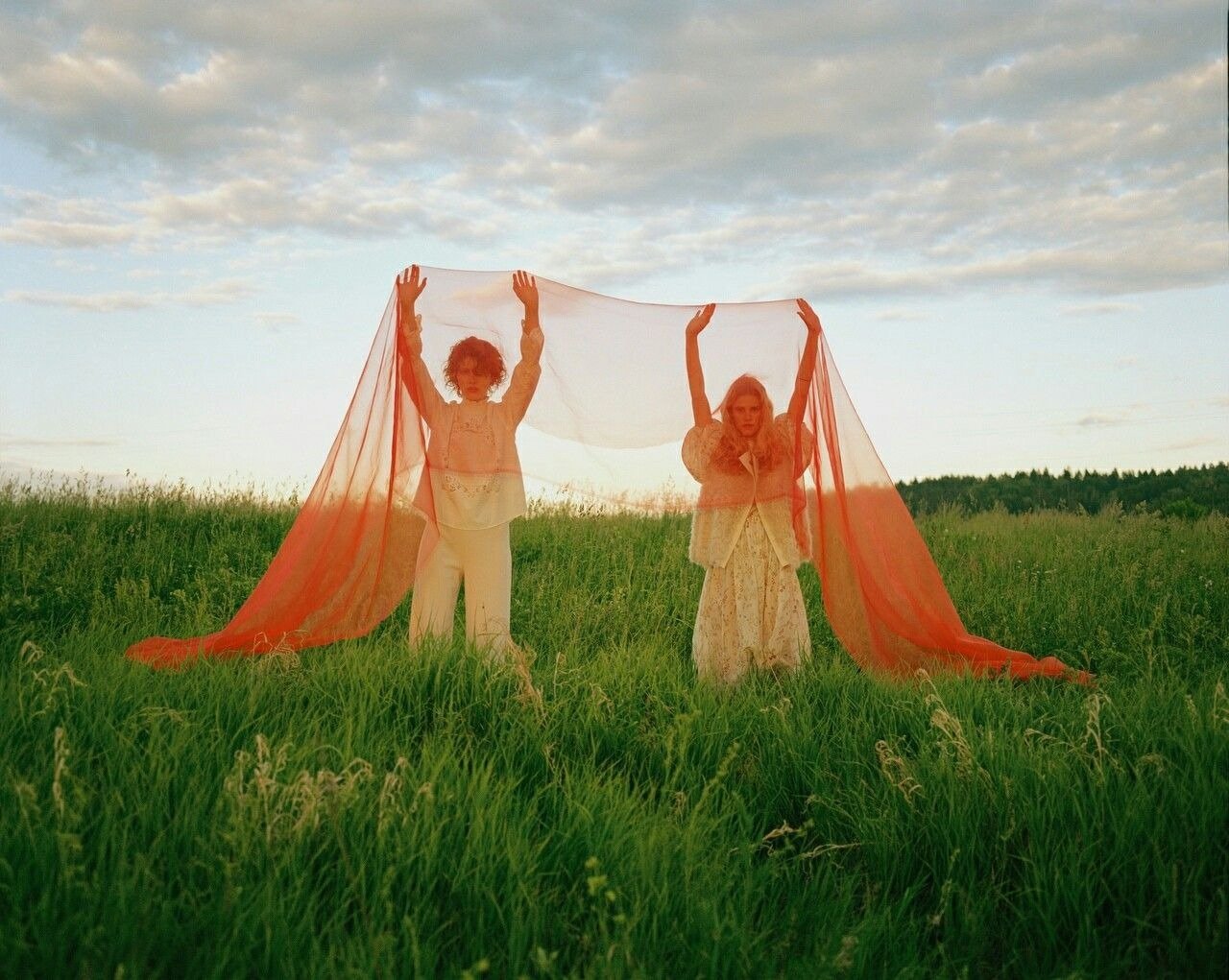
Natural daylight, no harsh flash.
Shoot in diffused daylight with a reflector; use strobes only if the light drops. Color comes from the clothes: reds, golds, and deep blues against the grey coast. In the edit, keep blacks deep and skin tones warm and accurate.
Wardrobe
Mix eras and price points in every look.
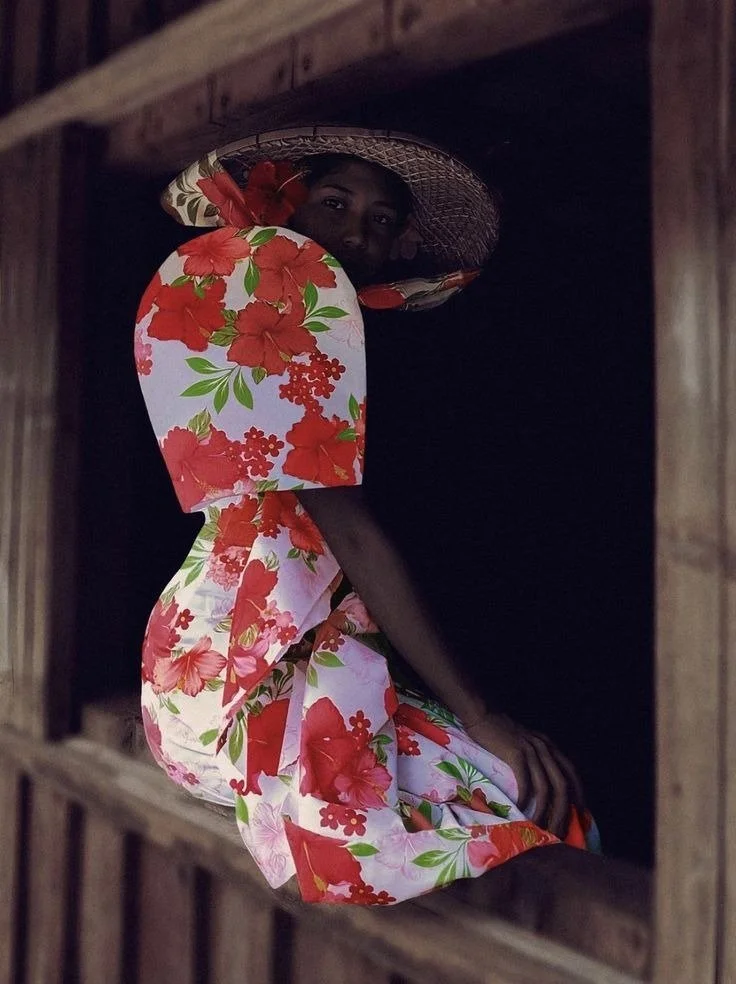
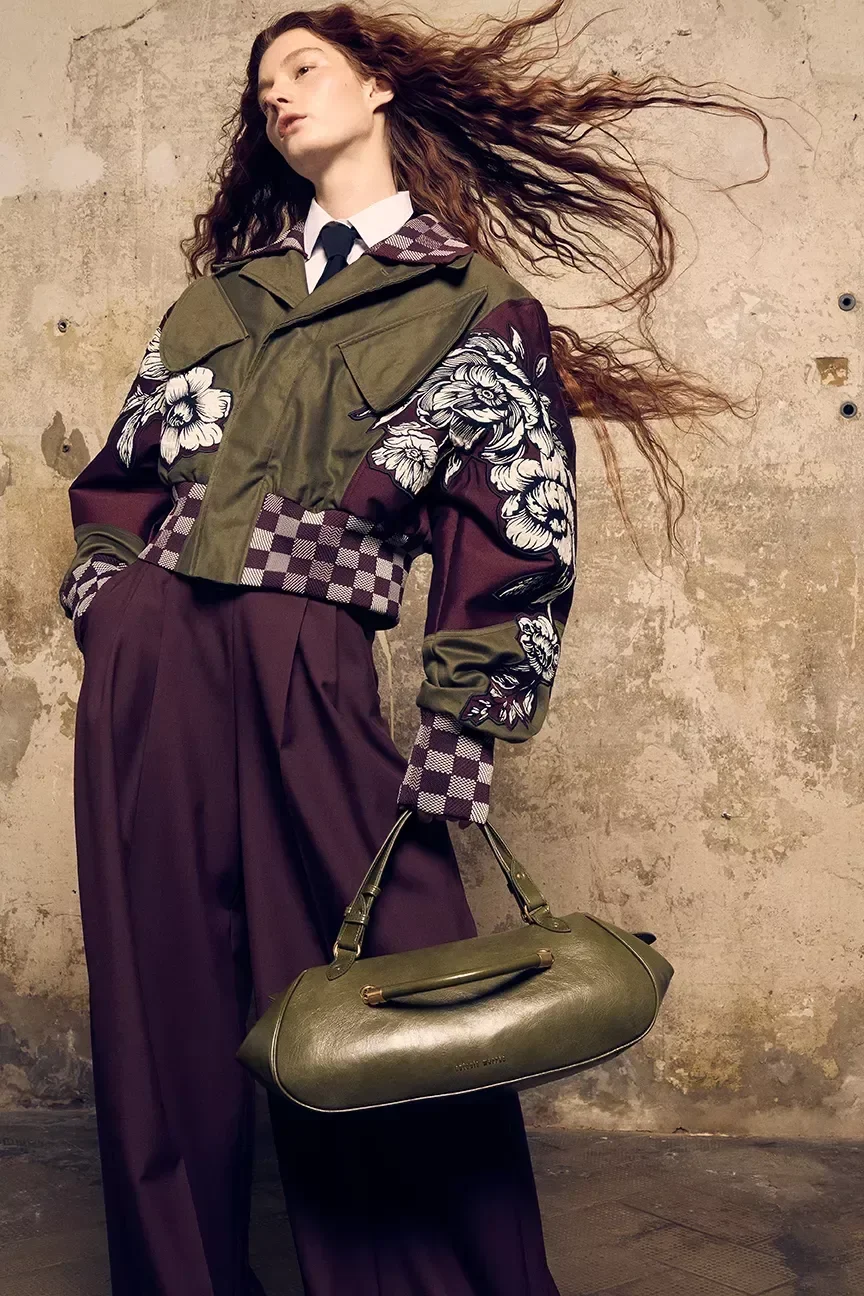
Pair pieces from Philippine designers with luxury, pre-loved, archival, Spanish-era, and military pieces. Each look should combine at least two of these. The references below are grouped by what we’re taking from them.
Light and emotion
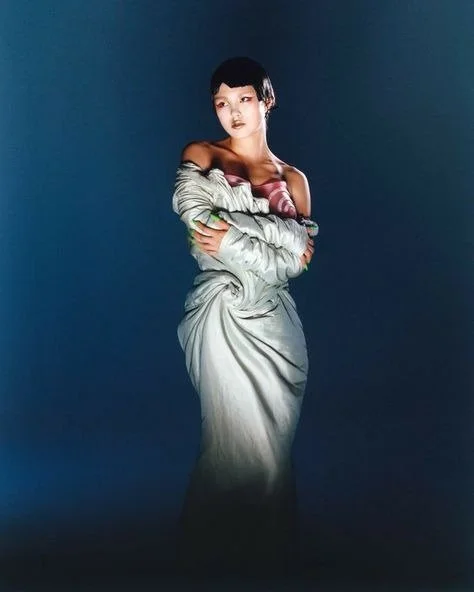
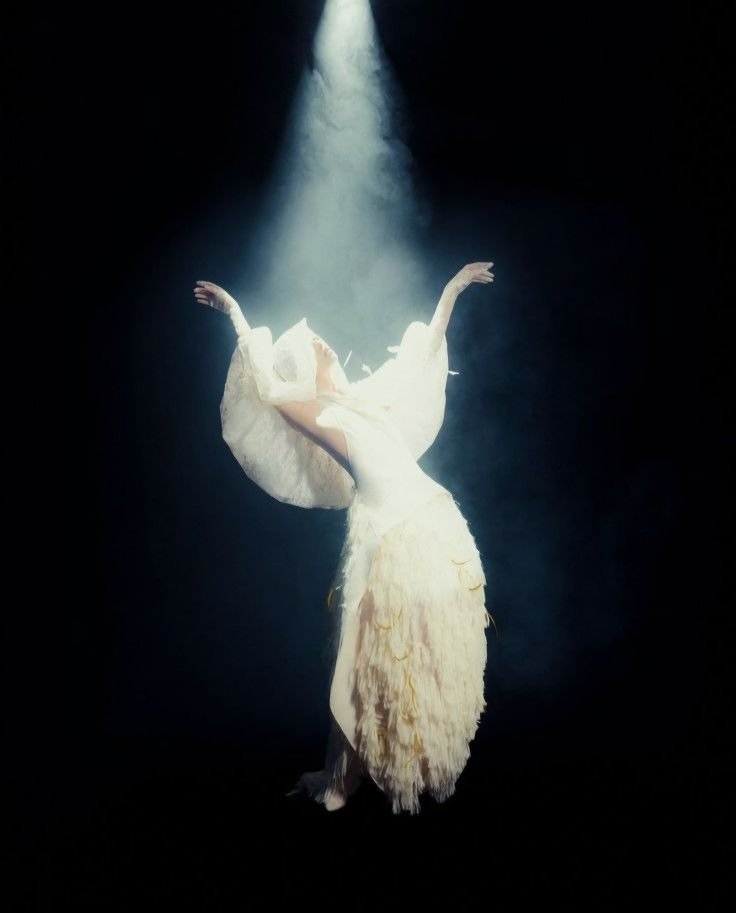
The soft light and the emotion on the model’s face.
Beauty breaking through
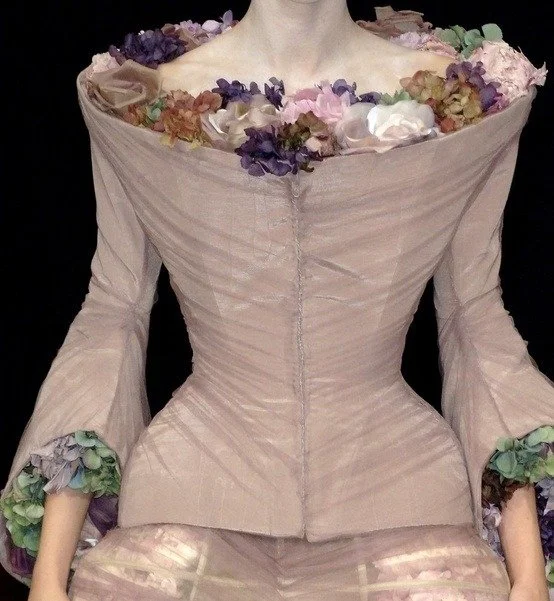
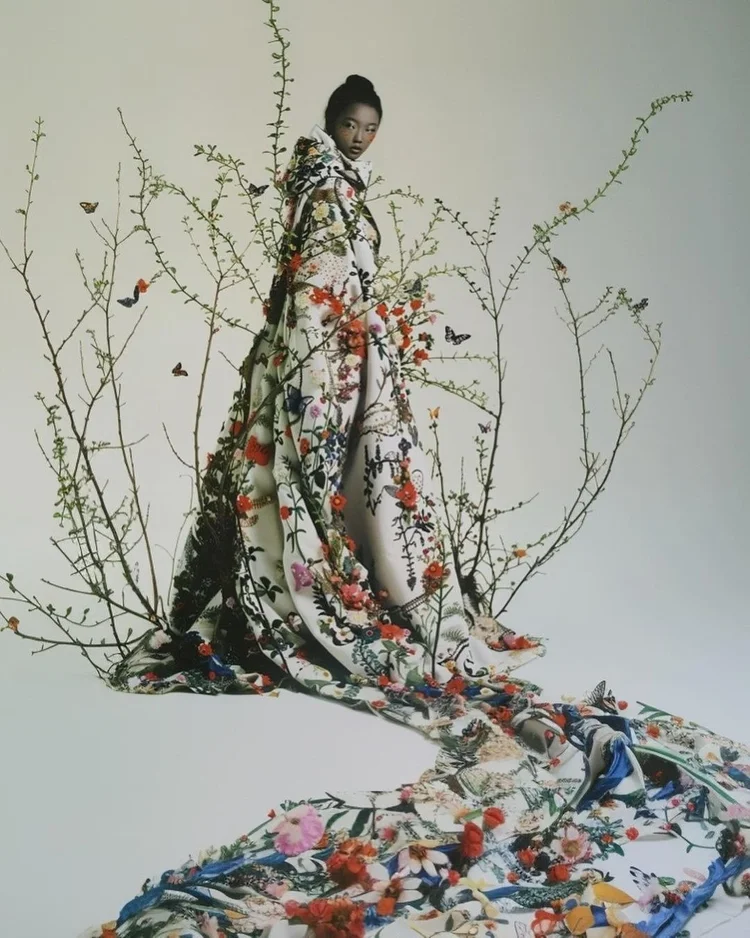
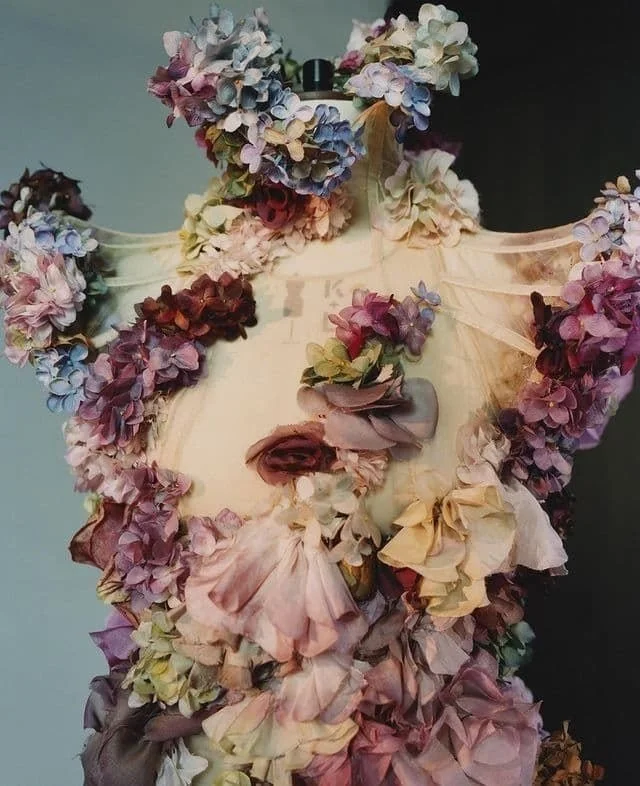
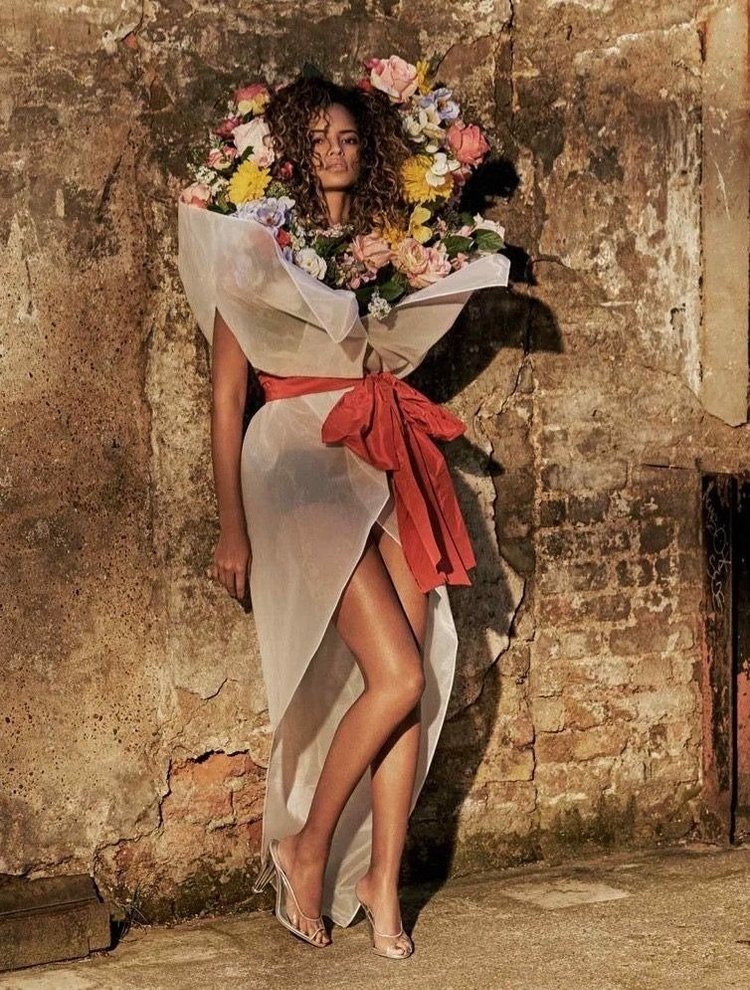
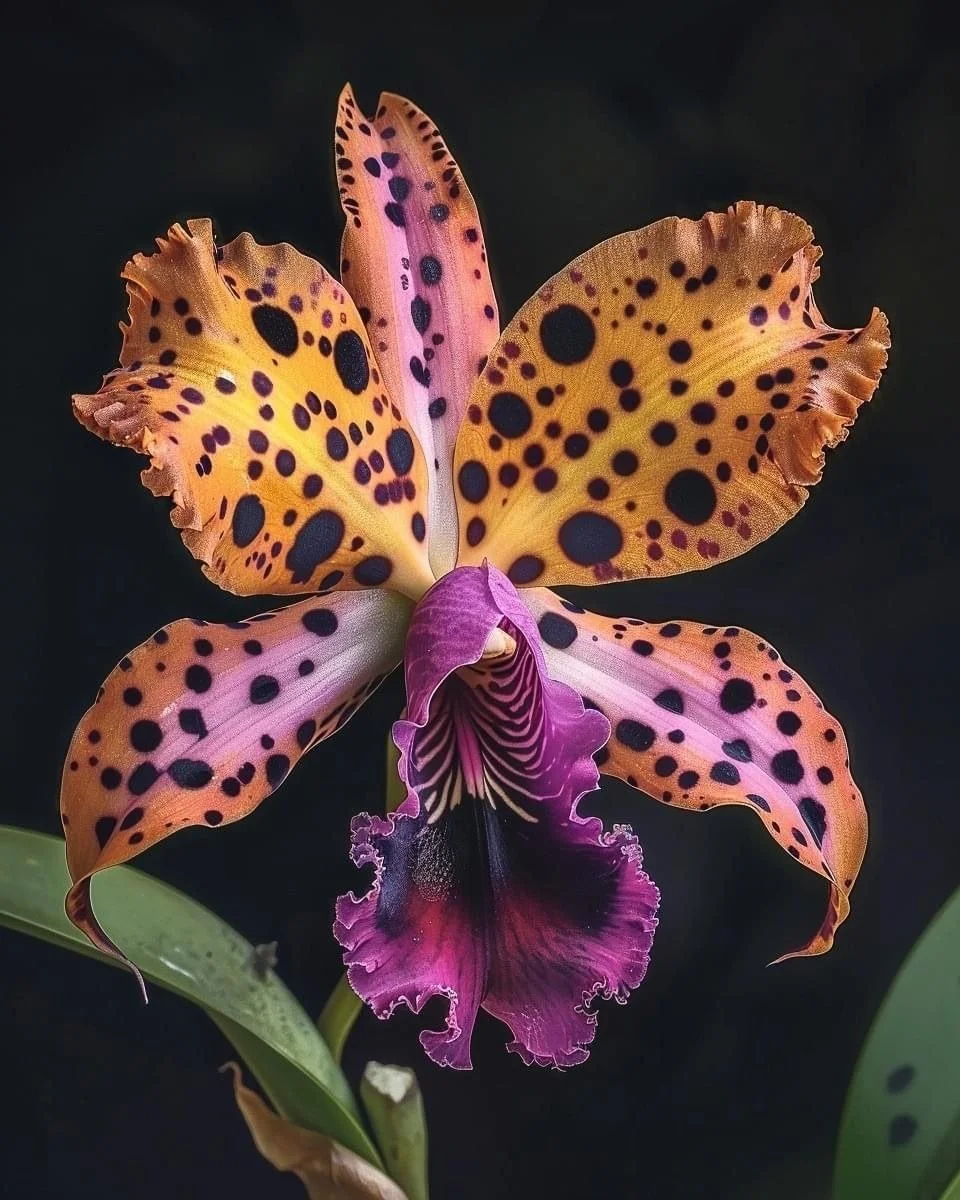
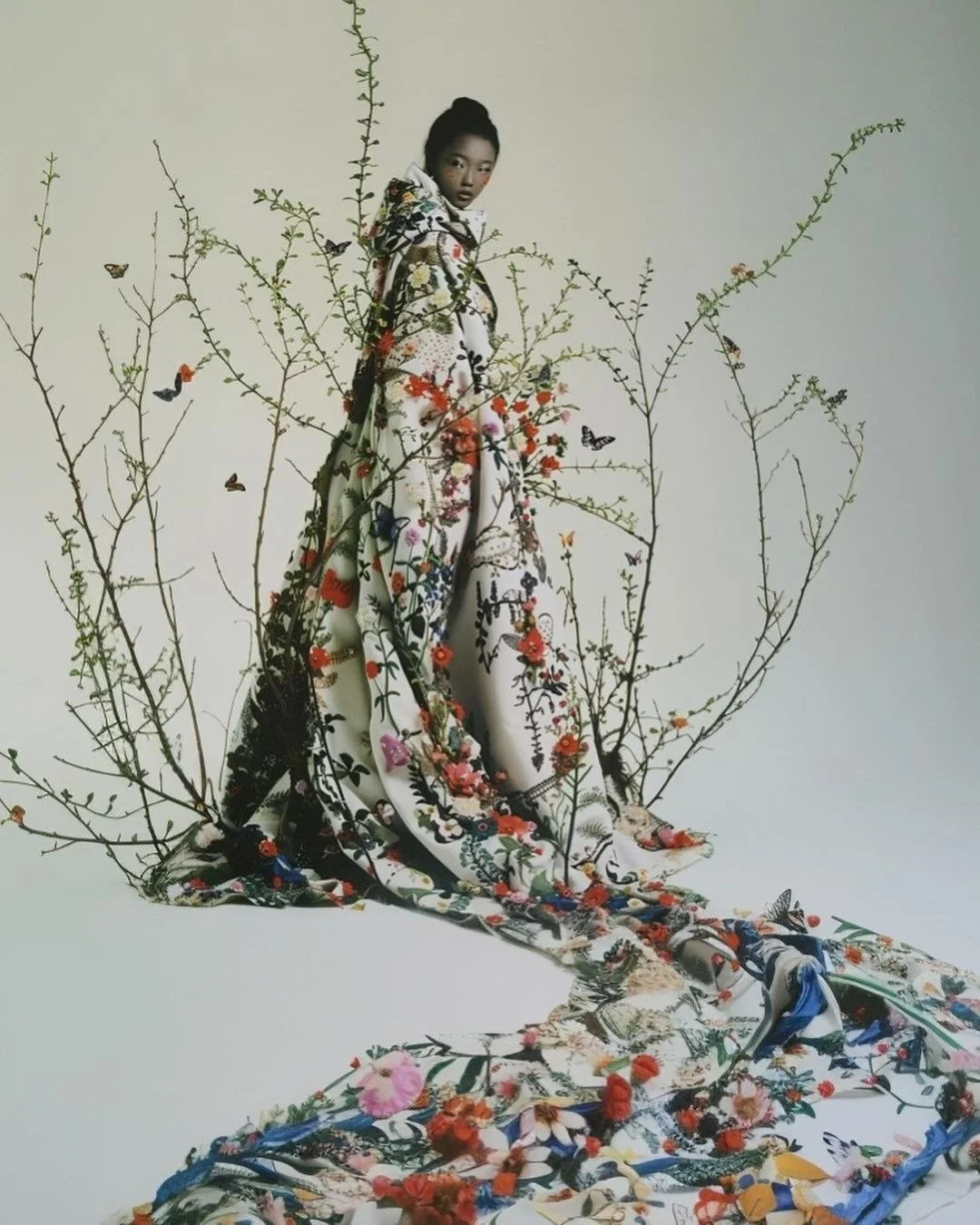
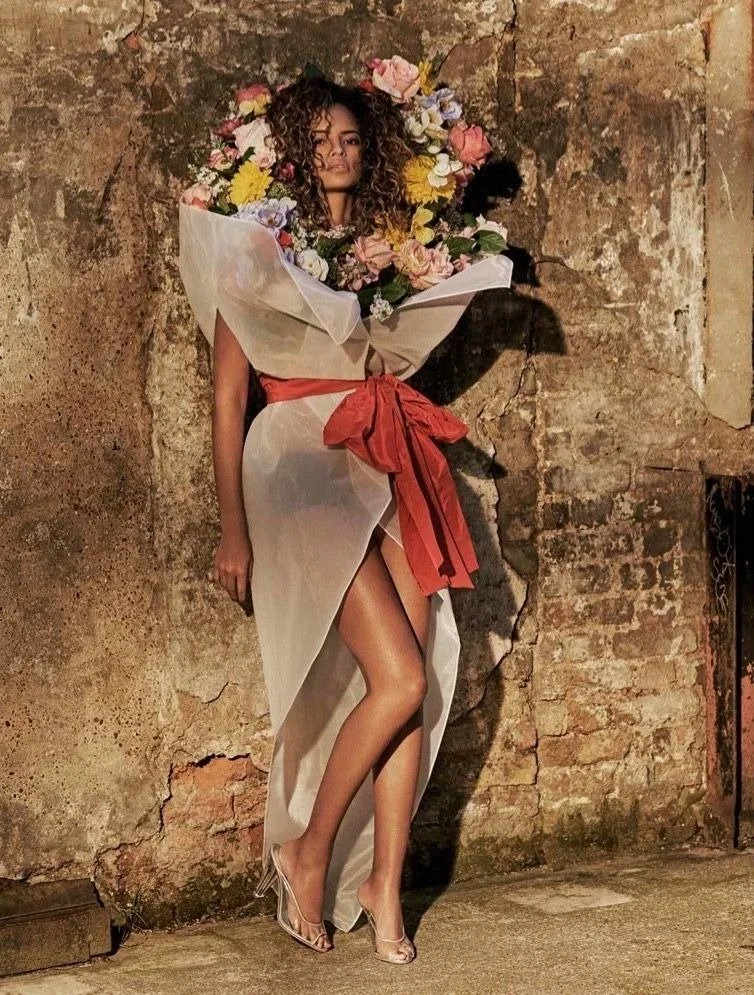
Flowers bursting from the corset, the long train, and the sheer organza. We’ll use real flowers to set natural beauty against tattoos, which the Spanish called ugly and savage.
Nature growing out of clothes
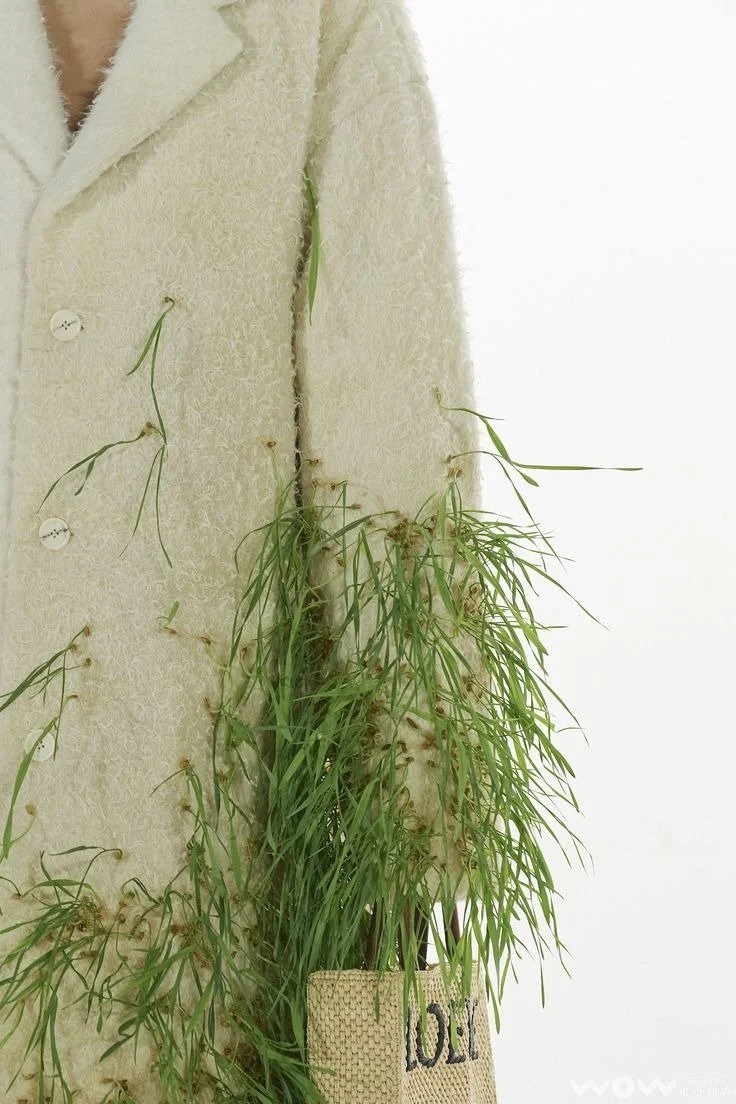
Grass and flowers growing out of the garment itself.
Tattoos in high fashion
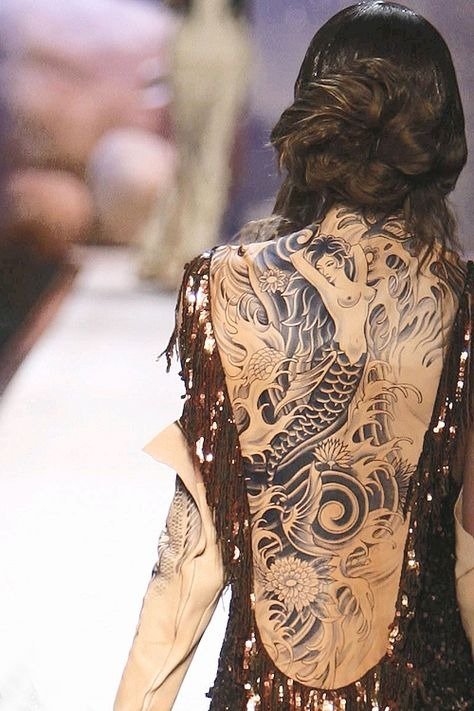
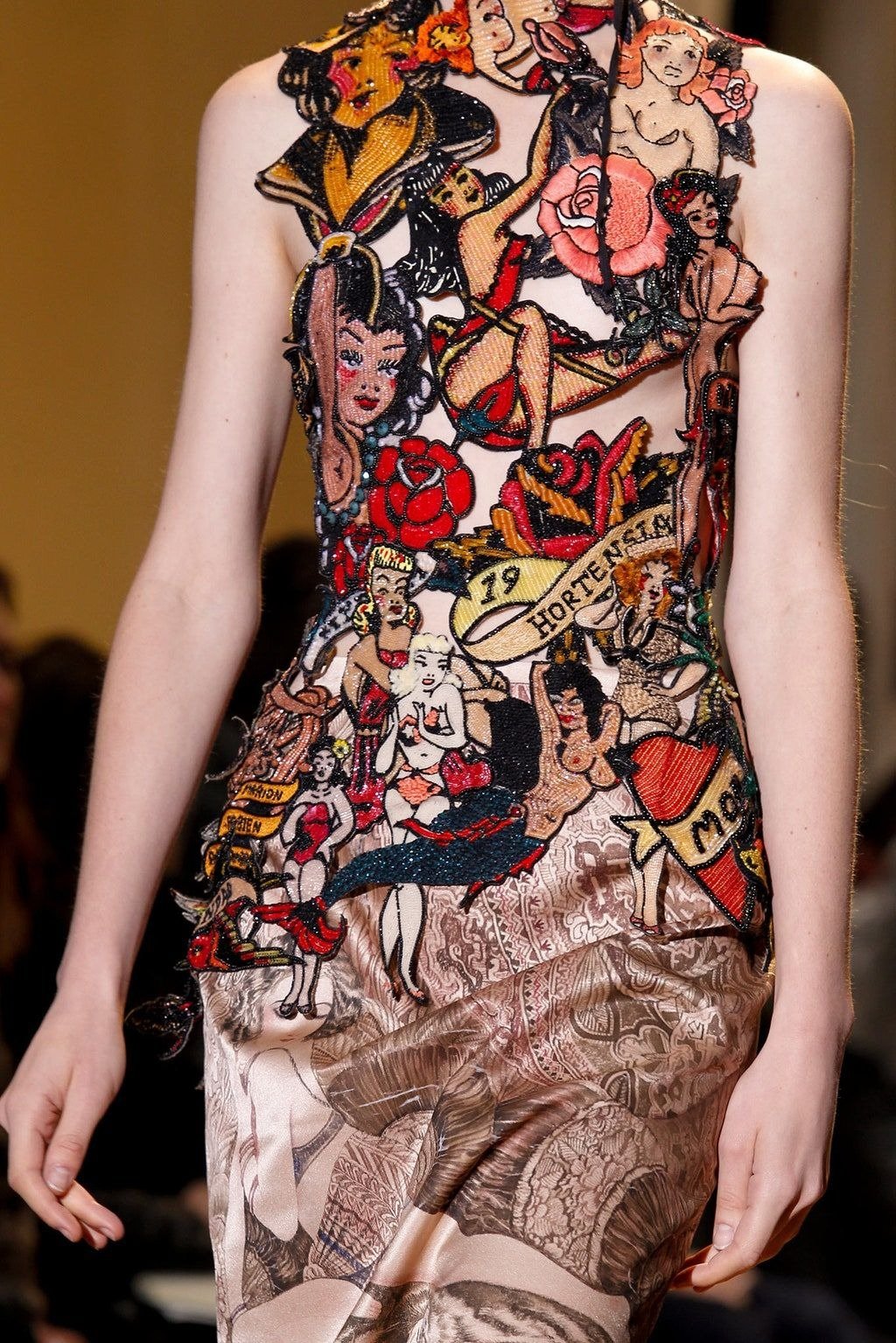
How designers have put tattoos on the runway. We’re sourcing vintage Jean Paul Gaultier tattoo pieces for the shoot.
Mixing eras
Pieces from Philippine designers alongside luxury, pre-loved, and archival pieces.
Hair, makeup, and ink
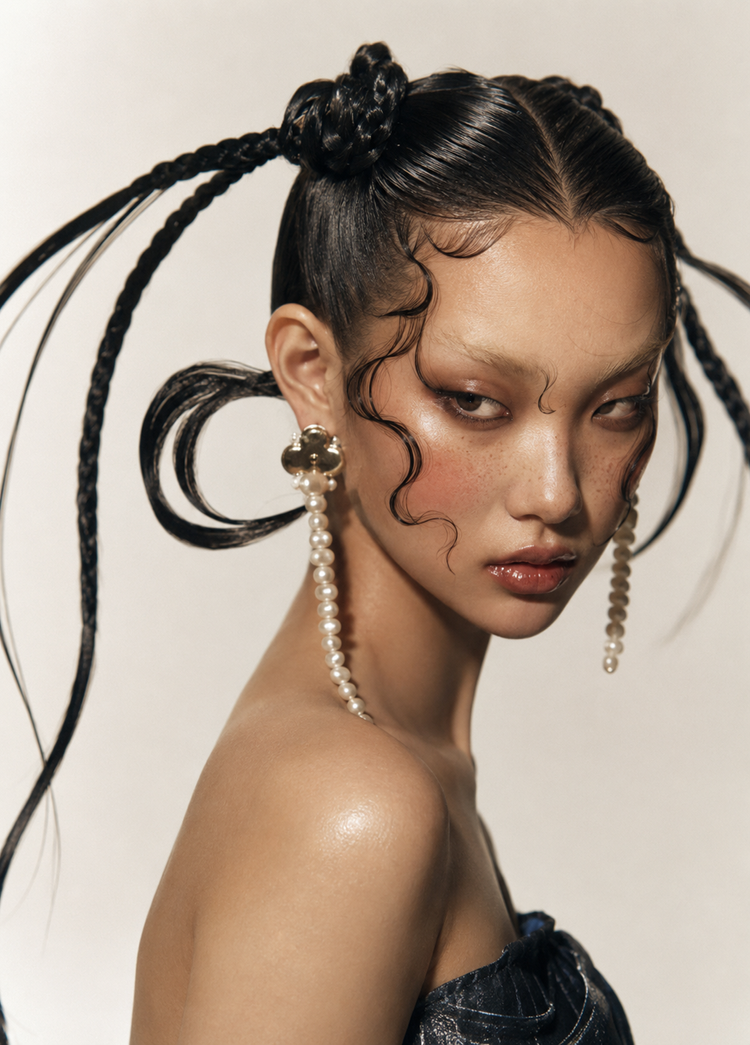
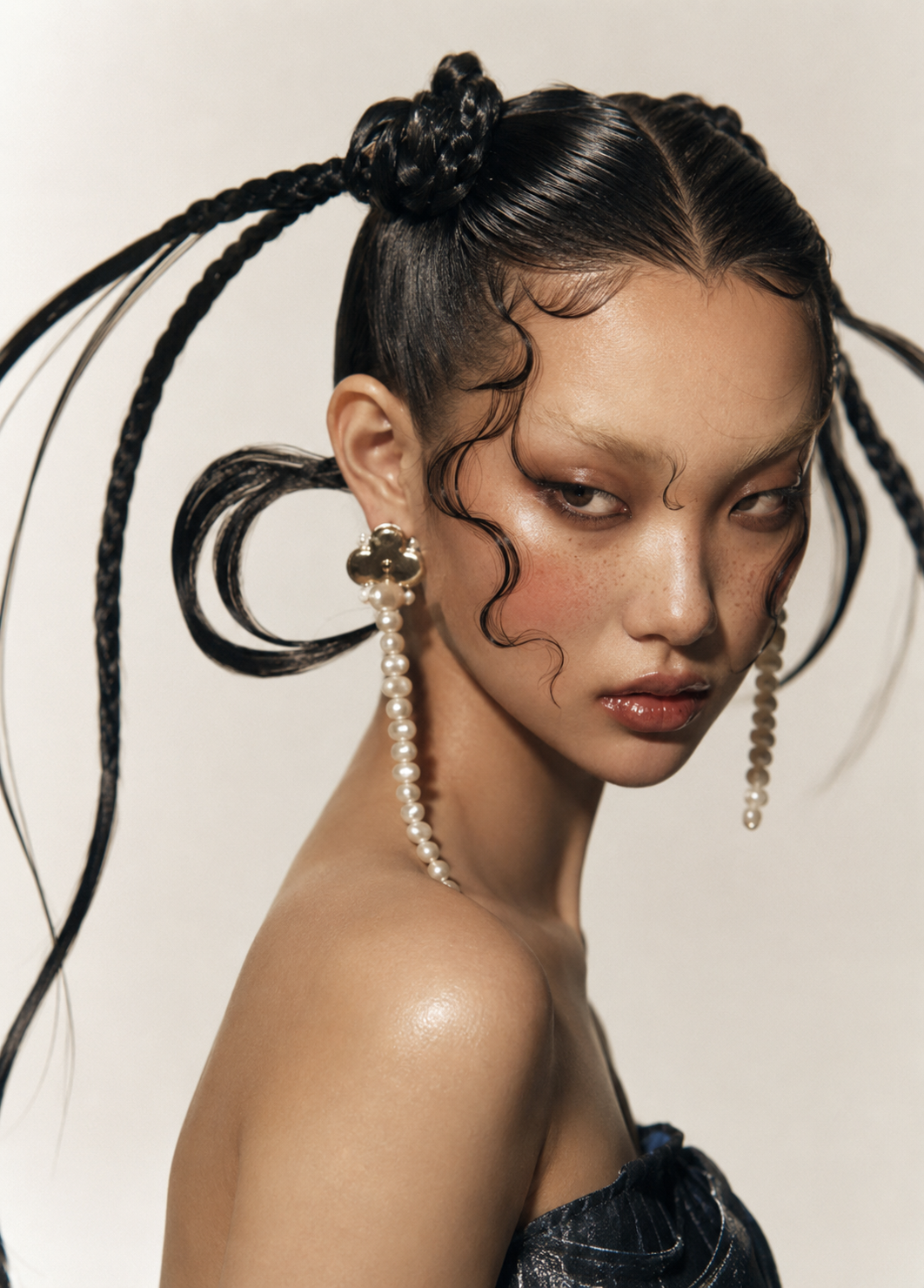
Minimal makeup, editorial hair, no fake tattoos.
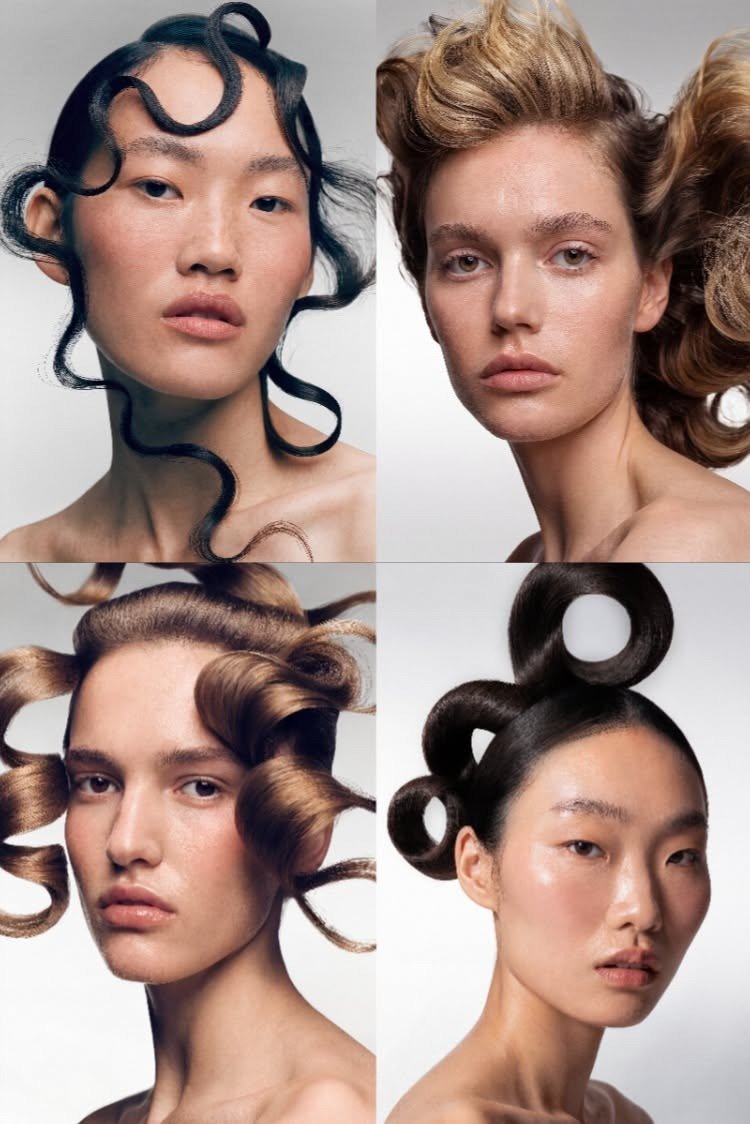
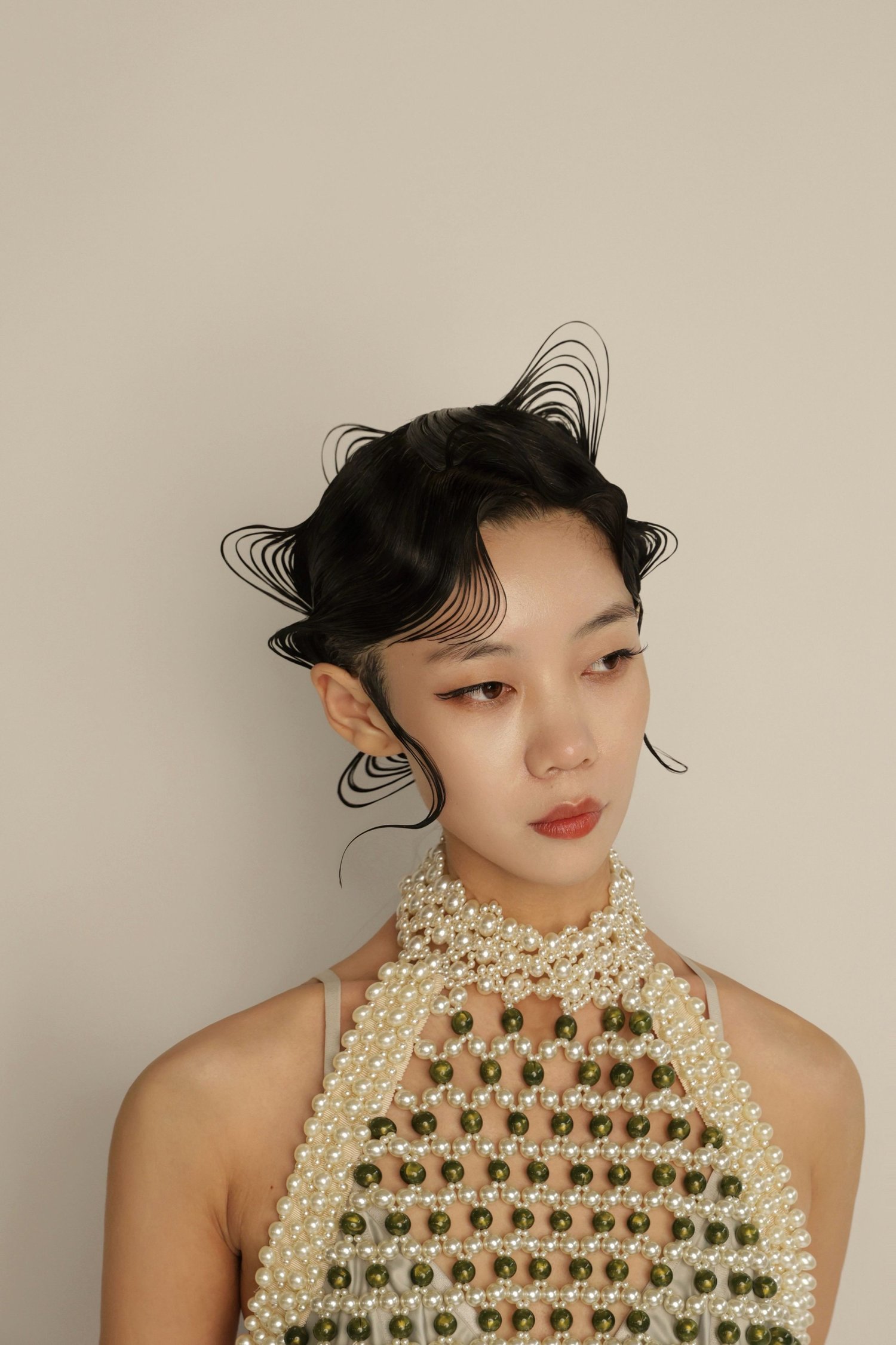
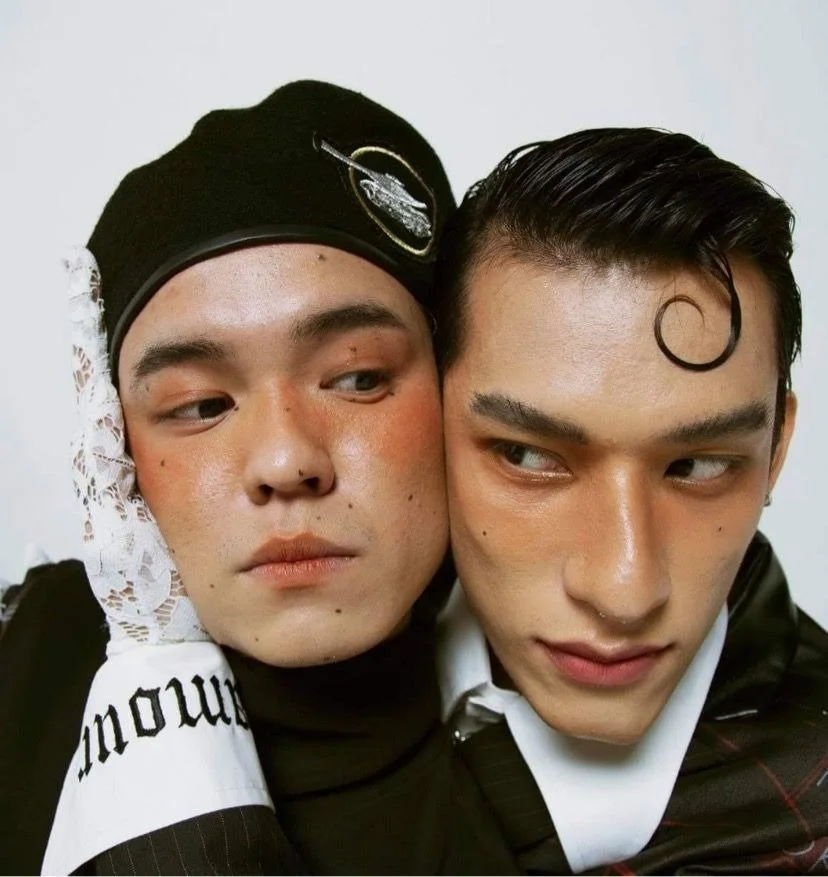
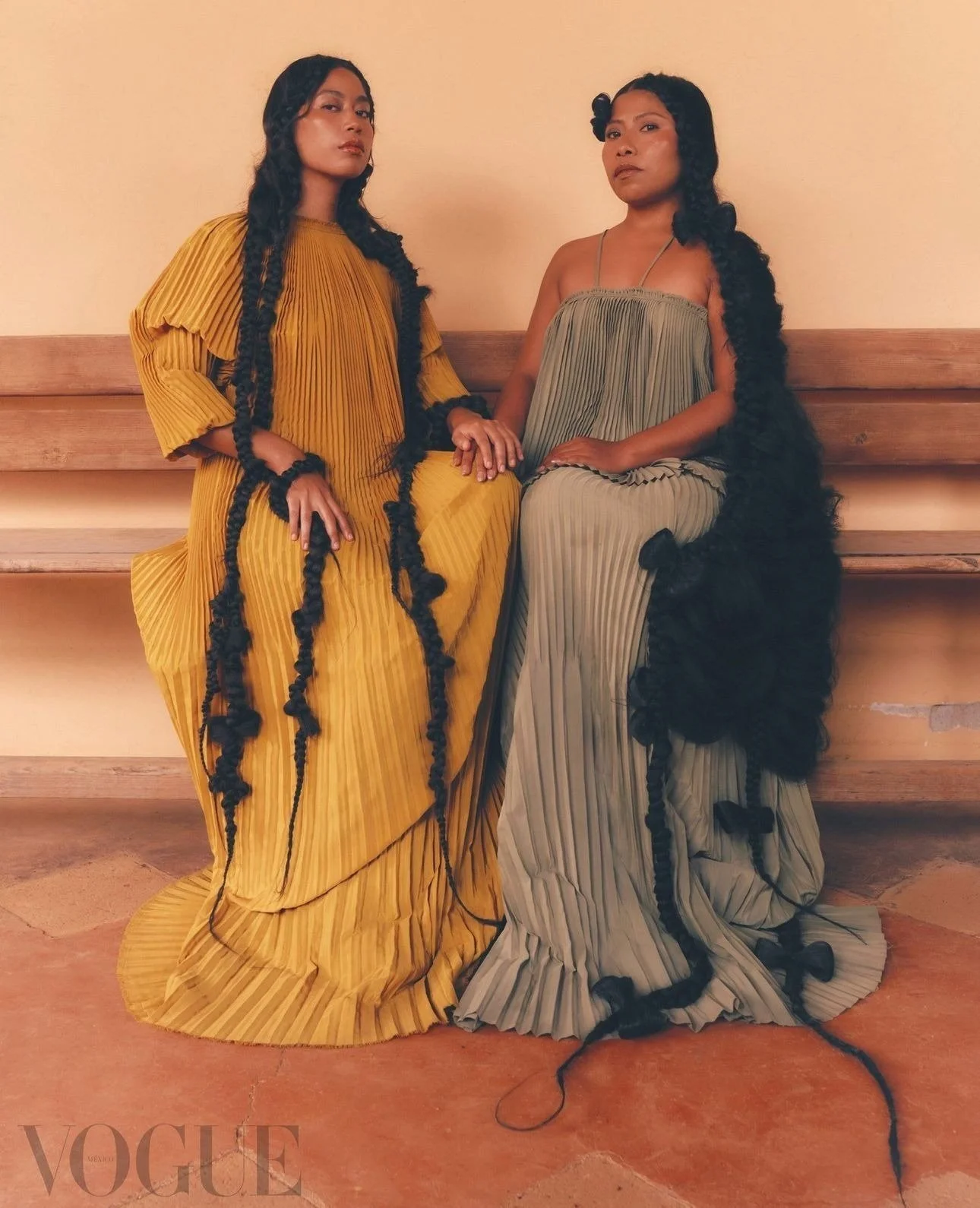
Makeup: bare, glowing skin and a warm lip, no heavy contour. Hair: these references are here for their editorial point of view: sculpted shapes, braids, and curls used as part of the look. Set with strong product so they hold in wind and rain.
Movement
Alternate still poses with shots in motion.
Mix grounded, still poses with movement: walking the tide line, turning into the wind, fabric lifted by the wind. Skip stock fashion poses.
What the shoot is about
Themes to write from.
The images are built on these ideas. Use them as starting points for anything written about the shoot.
- Tattoos as a record of identity and status in the precolonial Visayas
- How Spanish, American, and Japanese influence shows up in Filipino dress
- Oregon’s ties to the Philippines, starting with the Santo Cristo de Burgos galleon
- Natural beauty set against tattoos the Spanish called savage
- Who can wear precolonial tattoo patterns today
Credit and pulls
Credit, care, and return of your pieces.
The terms for any piece you lend us.
- Designer credit on every image of your pieces: in the printed chapter, at diwamag.co, in The Loom, and on Instagram
- Selected final images for your own channels, with photographer credit
- Pieces handled only by our styling team, documented on arrival and before return, and never altered
- Pieces in Portland by [February 5, 2027, to confirm] and returned by [March 5, 2027, to confirm]
The day
One shoot day, rain or shine.
Details will be updated here as they’re confirmed.
Date
February 20, 2027
Location
[Oregon coast location]
Call time
[Call time]
Weather backup
[Backup date]
Photographer
Celeste Noche
Hair
Jess Moss
Styling assistant
Alexa Domenden
Makeup and model
[Casting in progress]
Questions