My grandma used to tell the same stories over and over, and I tried to make her stop. Now that dementia is taking them, I'd give anything to hear them one more time.
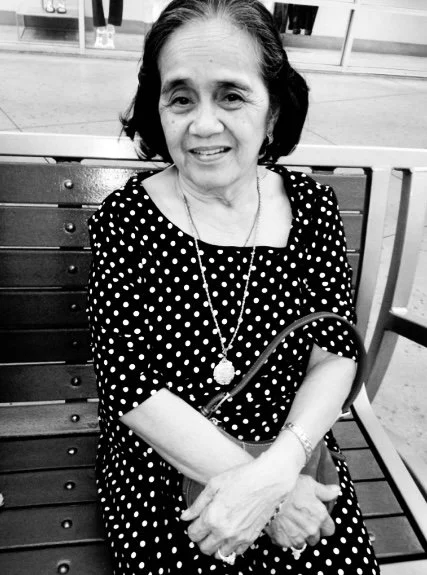
I can still hear the oil crackle the moment it hit my grandma's hot pan. If I close my eyes, I can smell yesterday's rice toasting in it with a splash of soy sauce. Every school morning was the same: fried eggs, hot dogs and that fried rice.
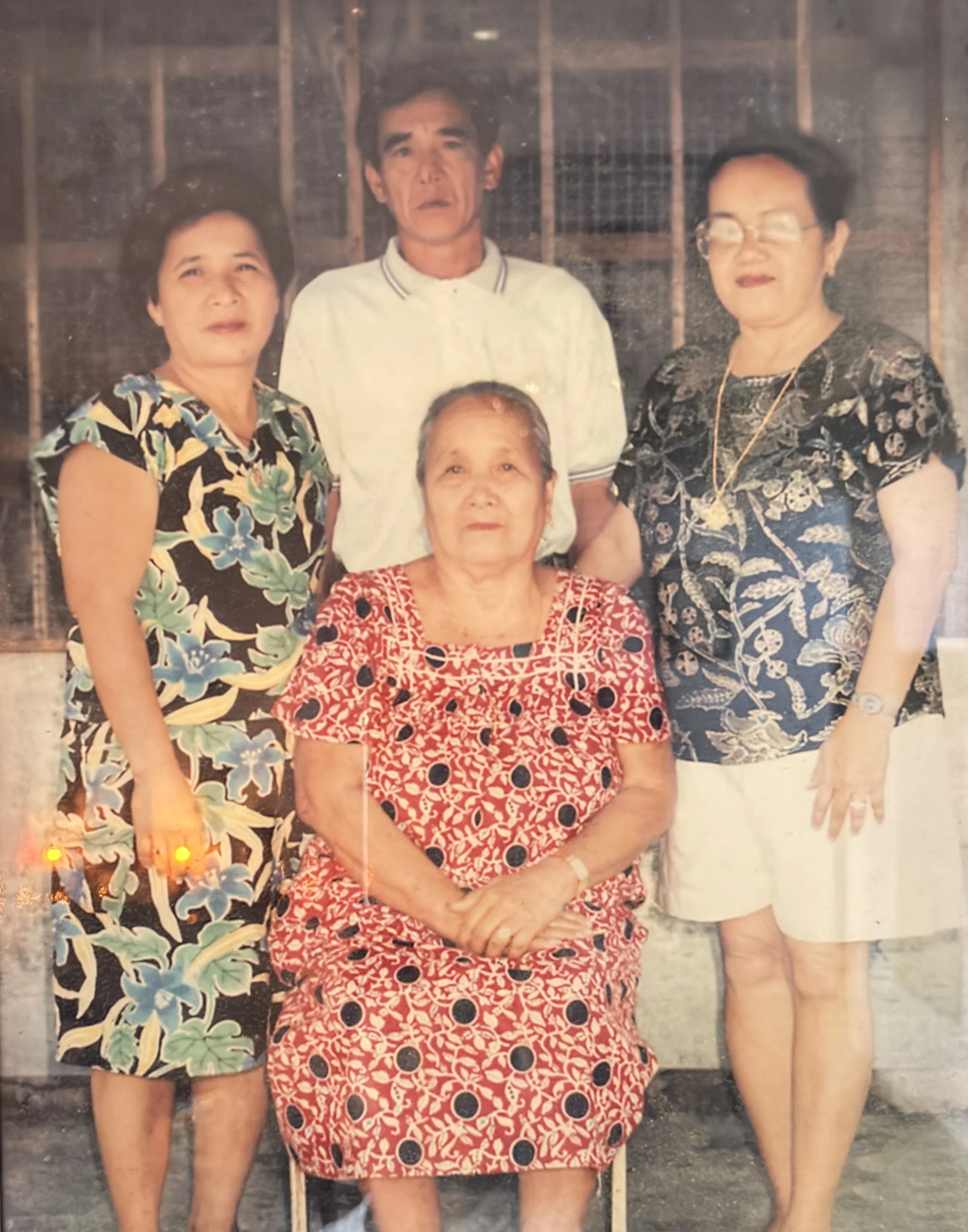
My grandma ran the kitchen in something bright and flowery, her hair tied up in a bun. Beside her were my Auntie Ann-Ann, her younger sister's daughter, and our family friend Auntie Ida, who lived a few towns over but was always at the house helping out. My grandma loved to tell jokes, and I can still hear her laugh over the sizzle of the pan.
My sister Deanne, our eldest brother Gerald and I, each of us three years apart, sat at a table covered in thick plastic printed with loud, garish flowers. If you rested your arms on it, it stuck to your skin, not that we were allowed to. Elbows on the table were an absolute no-no for my grandma; to her, it was disrespectful. My stomach would grumble while I waited for my plate, and by the last few bites, I'd be so full I could barely move. It didn't matter. Nobody left the table until their plate was clean, at breakfast or at dinner.
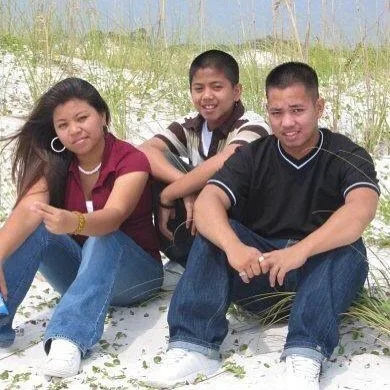
My grandma, and years later my Mom, told us the same story about why.
When my grandma was a young mother, she sought out the sellers with the best prices on fish and vegetables, bought what she could, and opened her own stall at the open-air market in Guagua to resell it, so she could earn enough to feed her family. At the end of the day, she'd come home to a one-bedroom house where she, my grandfather and their eight children, my Mom the second oldest, all shared the same room, and the ten of them would split one fish.
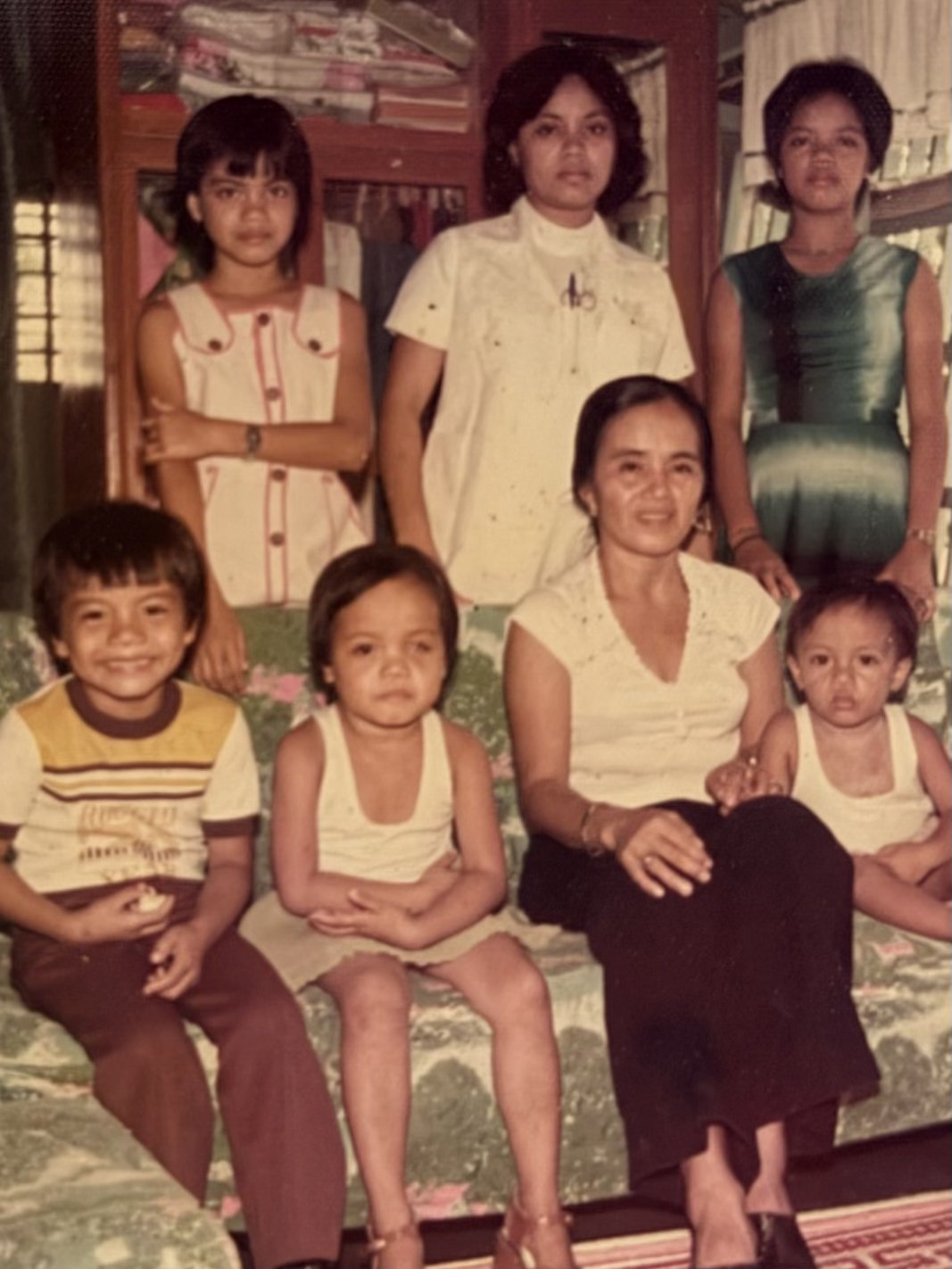
That story says so much about who my grandma and my Mom are: how hard they worked, how resourceful they had to be, and how far they'd go to make sure everyone was fed. It also explains the rule. Nothing on our plates could go to waste, because there were years when there wasn't enough to go around.
Food means a lot to us as Filipinos. Our flavors are a record of what our people have lived through, and feeding those we care about is how we show love. But what stays with me most is how I learned it. My grandma didn't sit us down and explain what it meant to go without. She told us a story and let us connect it to the plate in front of us, the way my Mom would later teach us too. It's why I remember life the way I do, through stories, and why I believe we have to keep them going.
When the stories go quiet: dementia in my family
Today, both of the women who told me that story are living with dementia. My grandma was diagnosed around 2015, and my Mom around 2022.
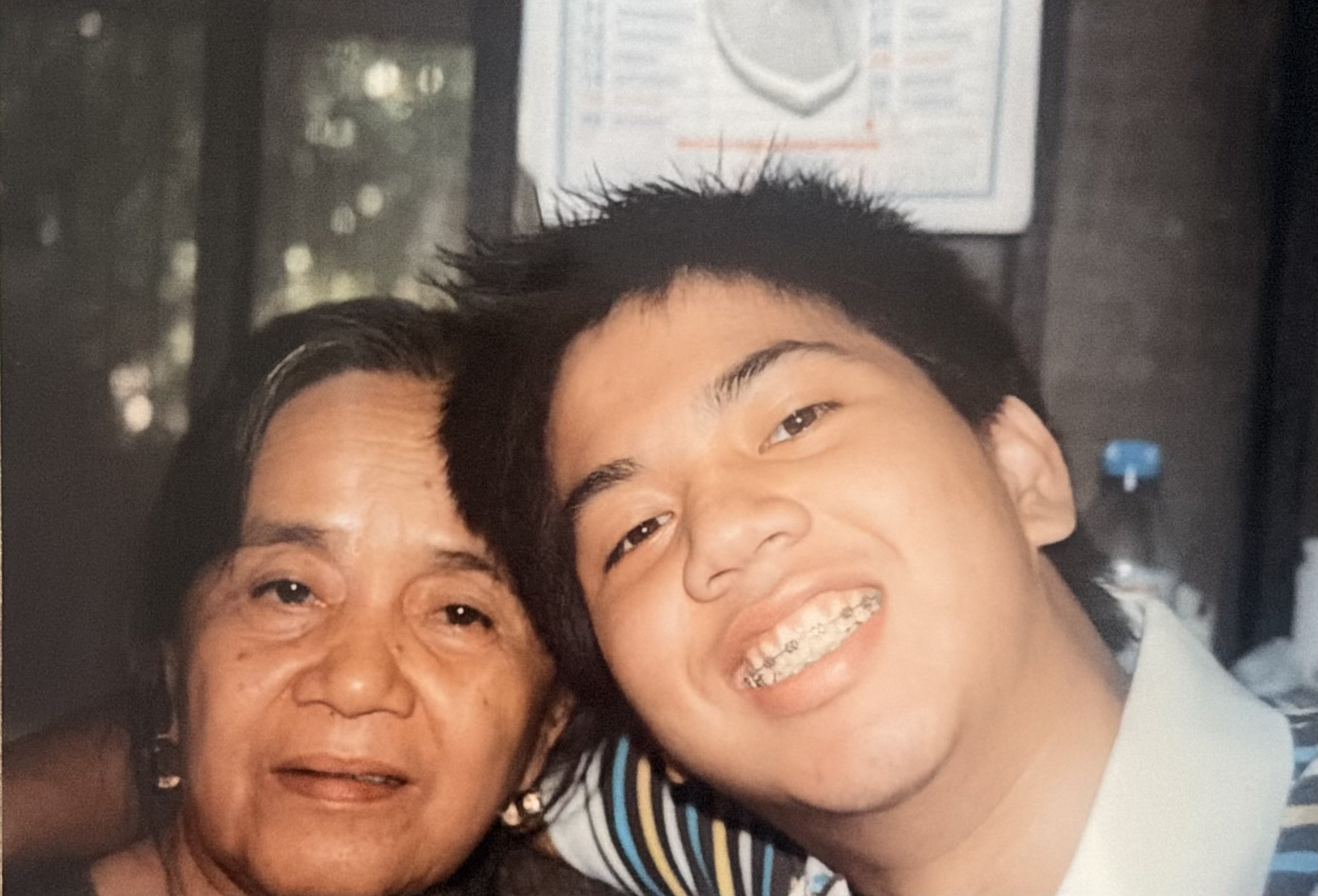
With my grandma, it started with the questions. She'd ask the same one several times in a single conversation, and she began telling her stories in a loop, finishing one only to start it again from the beginning. The one she told most was about the trips she and my grandpa took to Las Vegas in the '80s and '90s for his heart condition, and how the city back then looked nothing like the Las Vegas we were then living in, in the 2010's. I'm not proud of how I handled it. I got annoyed with her, and I struggled to keep my frustration to myself. I'd change the subject or find some way to distract her, anything to keep her from asking the same question or telling the same story one more time. I wish I could have those conversations back. I'd ask her to tell me every story she remembers, and I would have written them down so I could pass them down if I had known what was happening to her in the recesses of her mind.
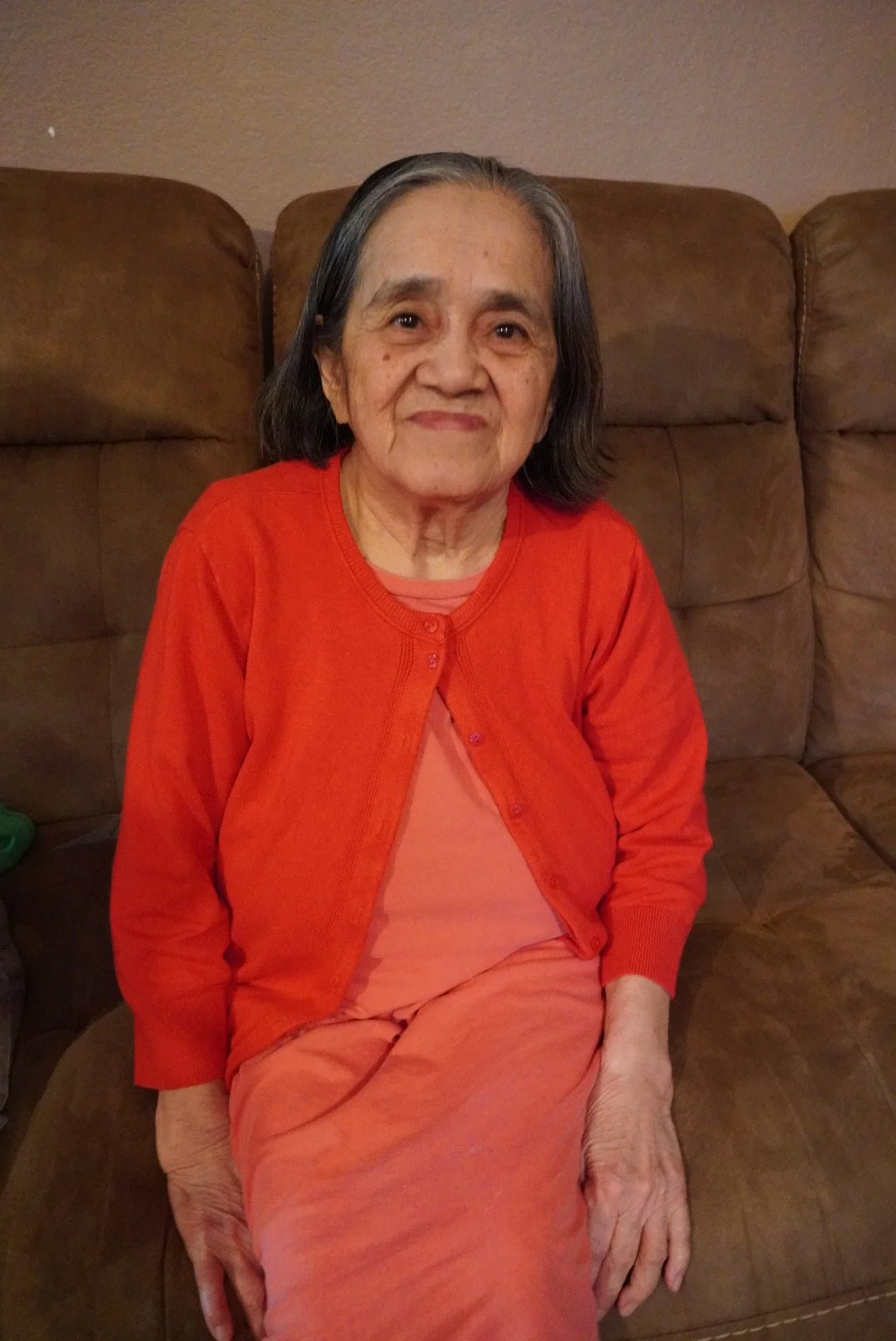
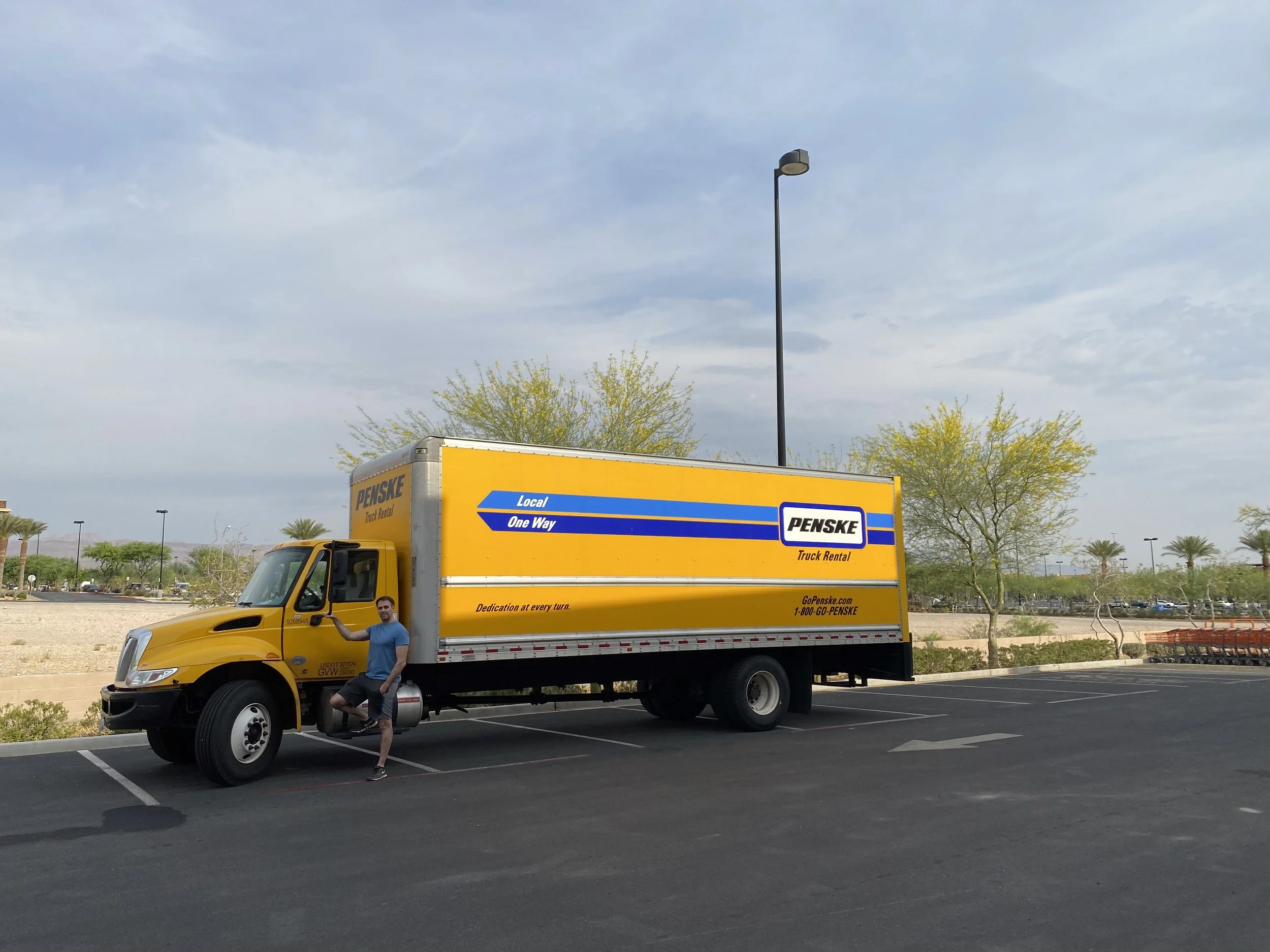
With my Mom, I first noticed something the year Miquel and I moved to Portland. In the summer of 2021, we drove 19 hours from Las Vegas with everything we owned. The night before we left, my Mom decided, on a whim, to come with us, which was very unlike her, my Mom isn't the "on-a-whim" type of person. Miquel drove ahead with the 20-foot trailer, and I followed behind in our car with my Mom and our two dogs. We took the long way up, which is why the drive took 19 hours, with mile after mile of winding roads. My Mom is the kind of passenger who frightens easily, so the route didn't help. I call that drive the longest therapy session with my Mom, the one I had always asked for. She told me stories I had never heard before. She explained decisions she'd made throughout her life. It was like she was coming clean, wanting to resolve things that had been left unsaid. But somewhere along the way, she started doing what I'd seen my grandma do early on: telling the same stories in a loop.
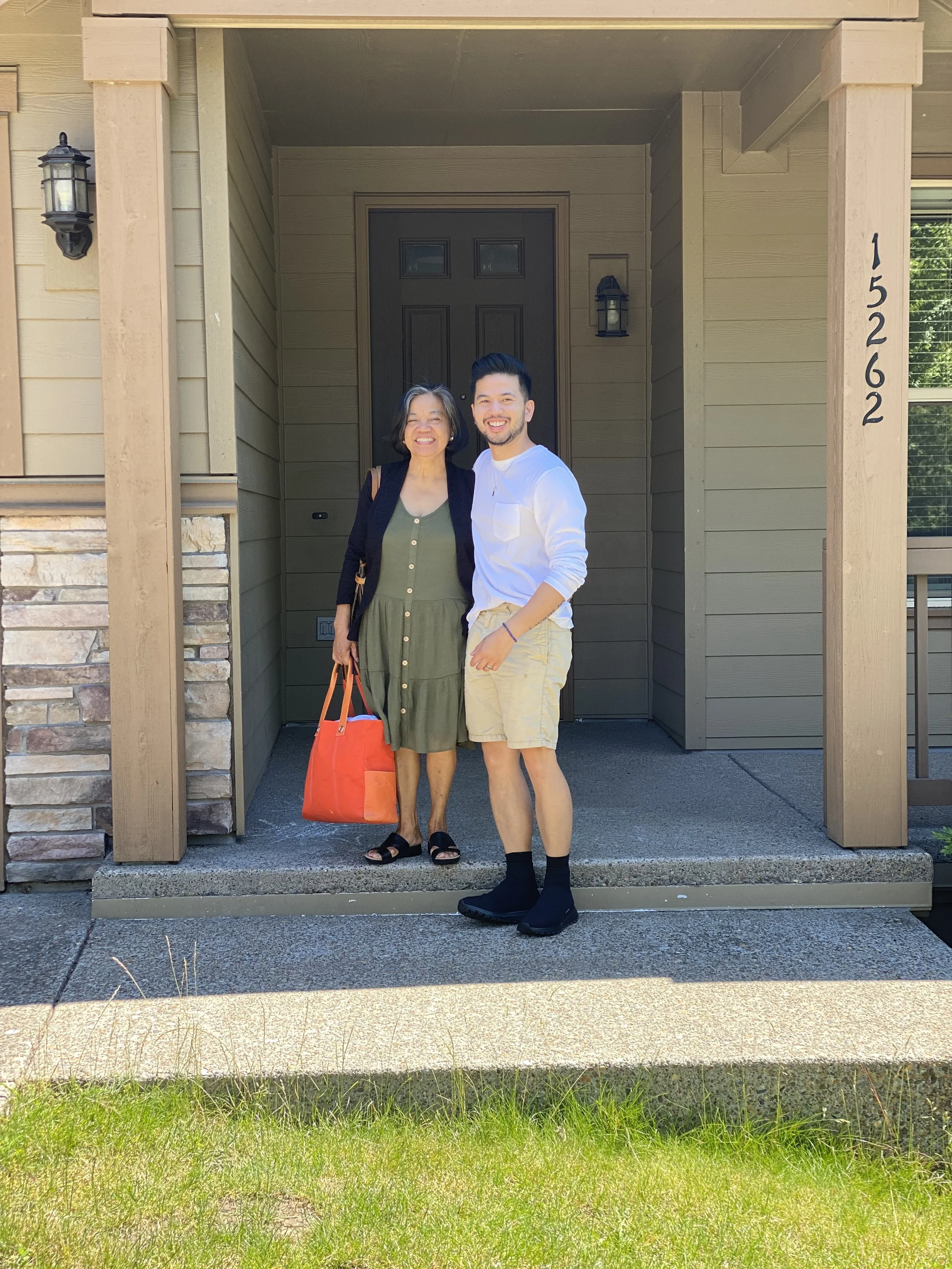
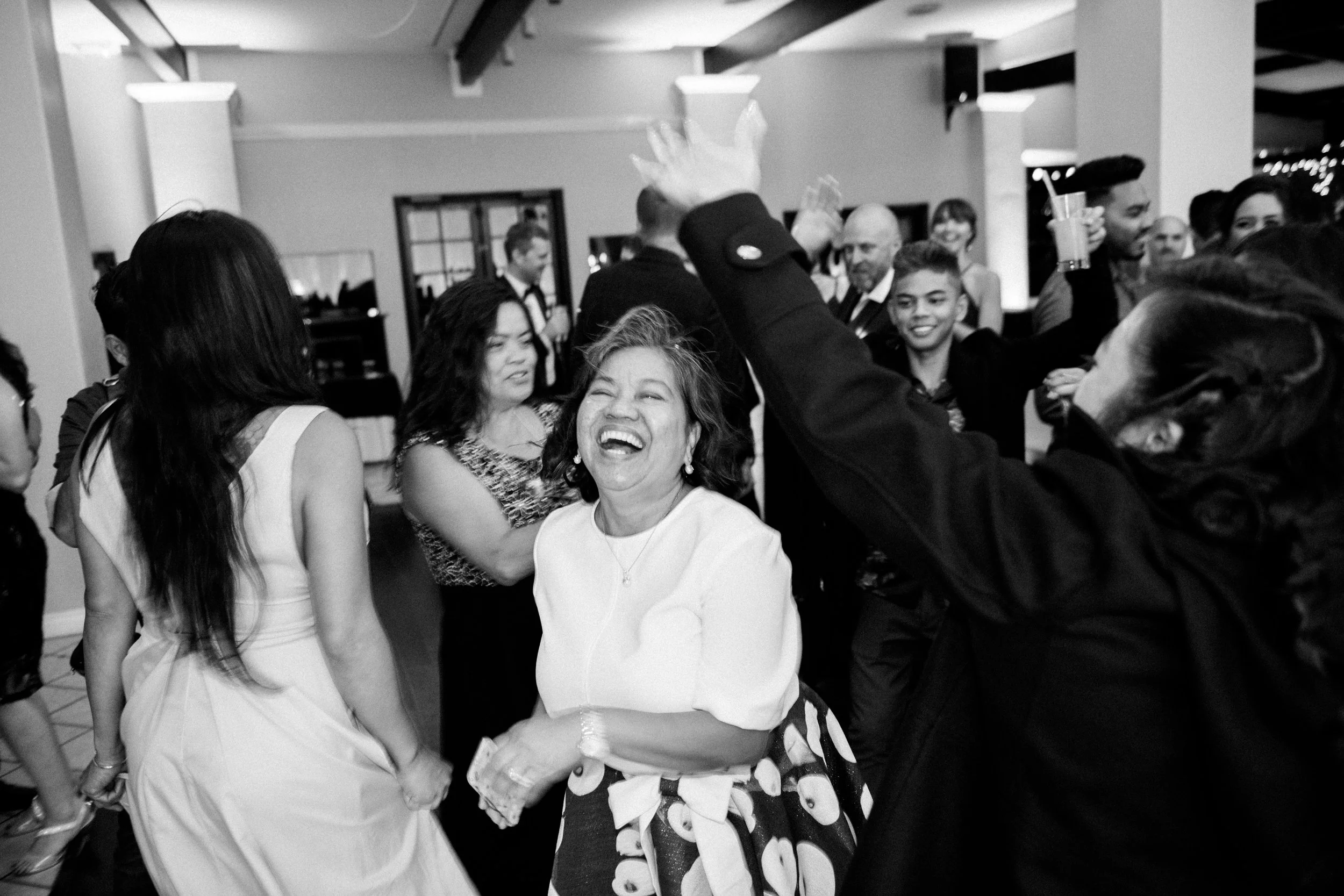
My Mom has changed in other ways, too. I remember her as a headstrong woman. The Mom I have today is gentler, almost childlike at times, in a way I never saw when I was growing up.
In January of this year, my grandma came down with pneumonia, and we thought she was nearing her last days. My aunts and uncles flew home to the Philippines from all over the United States so we could be with her one last time. Then, suddenly, we lost my stepdad.
He was my Mom's primary caregiver. The people I volunteer with at the Alzheimer's Association suspect the stress of caring for someone with dementia caught up with him. The research shows how real that risk is: nearly one in five spouses caring for someone with dementia dies before the person they care for, and caregivers under strain face a higher risk of dying than people who aren't caregiving.
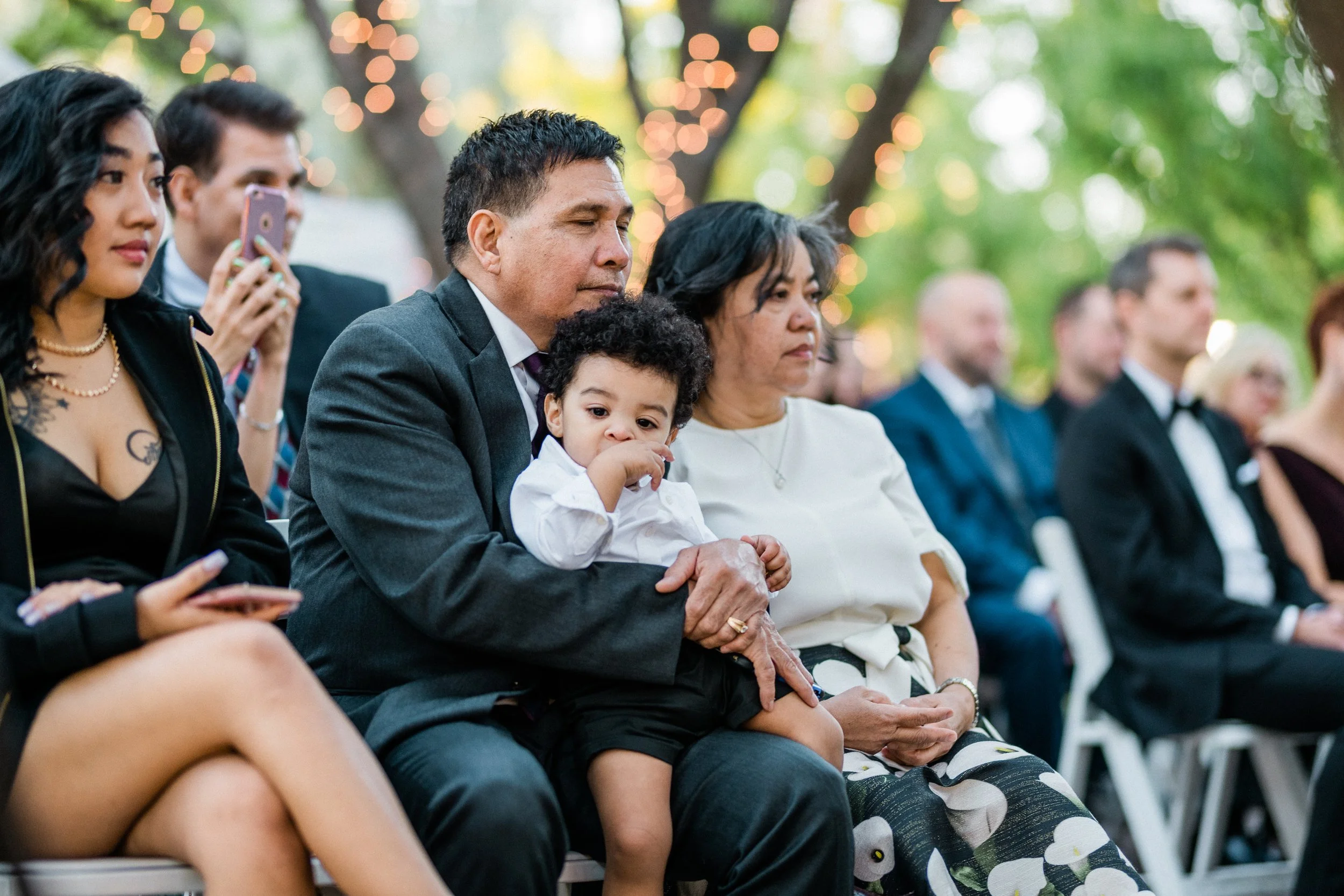
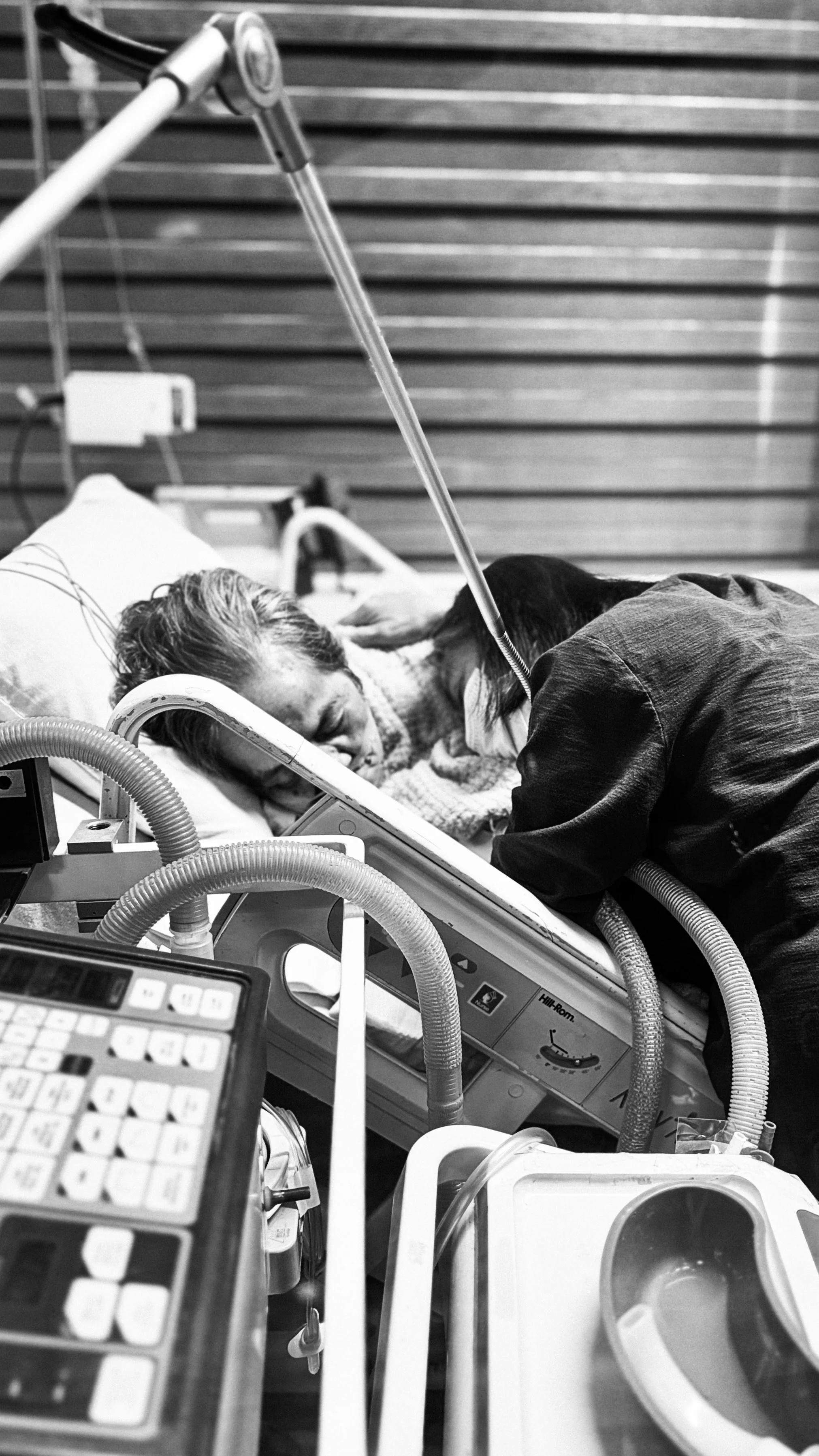
With the blessing of our eldest brother, my sister and I decided to take over my Mom's care. When we came home from the Philippines in March, my sister, her husband and my nephew moved with my Mom from Las Vegas to Portland, so we could all help each other care for my Mom and my nephew.
It wasn't the first time our family had to decide who would care for someone we love. When my grandma began to decline, the elders in our family, my aunts and uncles, decided she should be cared for by family back home in the Philippines, where she could be near my grandpa, like she always wanted. I quietly disagreed. I did the research, found the resources and put together options so my aunts and uncles could find the right memory care facility for her in Las Vegas. In the end, she went home.
Today, some of my aunts and uncles see that keeping her here might have been the better decision. They would be closer to her and more involved in her health and her care. She would have better access to medical resources, and she'd be looked after by people trained to care for someone with dementia. Our family in the Philippines is caring for her the best they can. Still, dementia care takes skills most families don't have.
That choice, between caring for our elders ourselves and asking for outside help, is one so many Filipino families struggle with.
Dementia in Filipino American families
Our family isn't alone in any of this. An estimated 7.4 million Americans age 65 and older are living with Alzheimer's, and last year nearly 13 million family members and friends gave more than 19 billion hours of unpaid care. For Filipino Americans, the risk may be higher than many of us realize. In one study of older Kaiser Permanente members in Northern California, dementia was diagnosed at a higher rate among Filipinos than among Chinese or Japanese Americans. Researchers are still working out why, but conditions like diabetes and high blood pressure, which hit our community hard, may play a part.
And yet, when researchers recently looked for every study ever written about Filipino American families caring for a loved one with dementia, they found only 22, and few of them focused on Filipinos alone. What they did find sounds a lot like my family. Our language, and our expectations about who should care for an elder, shape whether we recognize dementia at all and whether we ever ask for help. Many of us grow up believing that caring for our parents is how we repay them, what we call utang na loob, a debt of gratitude. Asking for help from outside the family can feel like failing to pay it back.
The women who taught through stories
In the Philippines, women have long been the ones who memorize and pass down a family's stories. In precolonial Philippine societies, women could own property, trade and divorce, and the babaylan, most often women, led their communities' rituals and healing. On the island of Panay, the sugidanon, epic chants so long they could take days to perform, were once sung almost exclusively by binukot, young women raised in seclusion and trained to memorize them.
In many homes, the ones who passed those epics down were grandmothers and mothers, singing them to children as bedtime stories. When I read that, I thought of my grandma at the kitchen table, and my Mom in the car on the way to Portland.
Why DIWA exists
That's why DIWA exists. DIWA was my great-grandmother's maternal name, and the word means spirit and wisdom, and so much more. Our logo is the mano po, the gesture of taking an elder's hand and bringing it to your forehead, because DIWA started with reverence for the people who came before us and the stories they lived through. My grandma can't tell her stories the way she used to, and my Mom is starting to lose hers. DIWA is how I make sure our stories don't depend on any one person's memory.
November is National Alzheimer's Awareness Month. If there's an elder in your life whose stories you haven't heard yet, sit with them this month. Ask about the house they grew up in, the hardest year of their life, how they met the person they married, and what they wish we knew. Record it on your phone. Write it down. I'd give anything to go back to those conversations with my grandma, the ones I tried so hard to cut short.
If someone in your family is living with dementia, or you're caring for someone who is, the Alzheimer's Association's 24/7 Helpline is 800.272.3900. Do What You Love to End Alz
Sources
- Alzheimer's Association, "New Alzheimer's Association Report: Americans Care Deeply About Brain Health but Most Don't Know How to Maintain It" (2026 Alzheimer's Disease Facts and Figures), April 21, 2026
- Mayeda et al., "Heterogeneity in 14-year Dementia Incidence Between Asian American Subgroups," Alzheimer Disease and Associated Disorders, 2017
- Hayes-Larson et al., dementia incidence in Asian American subgroups, Alzheimer's & Dementia, 2022
- Rosario et al., "Filipino American Family Caregivers of Older Adults Living with Dementia: A Scoping Review," Clinical Gerontologist, 2026
Get the next story in your inbox.