A chip-and-AI alliance born in Washington now has a 1,600-hectare footprint in Tarlac, on land the Aeta call home. Here is how it came to be, what it promises, what it puts at risk, and where DIWA stands.
A note from the editor
DIWA is a cultural journal, and most weeks that means fashion, food, music, and the stories that connect Filipinos across oceans. This week, our story is about land.
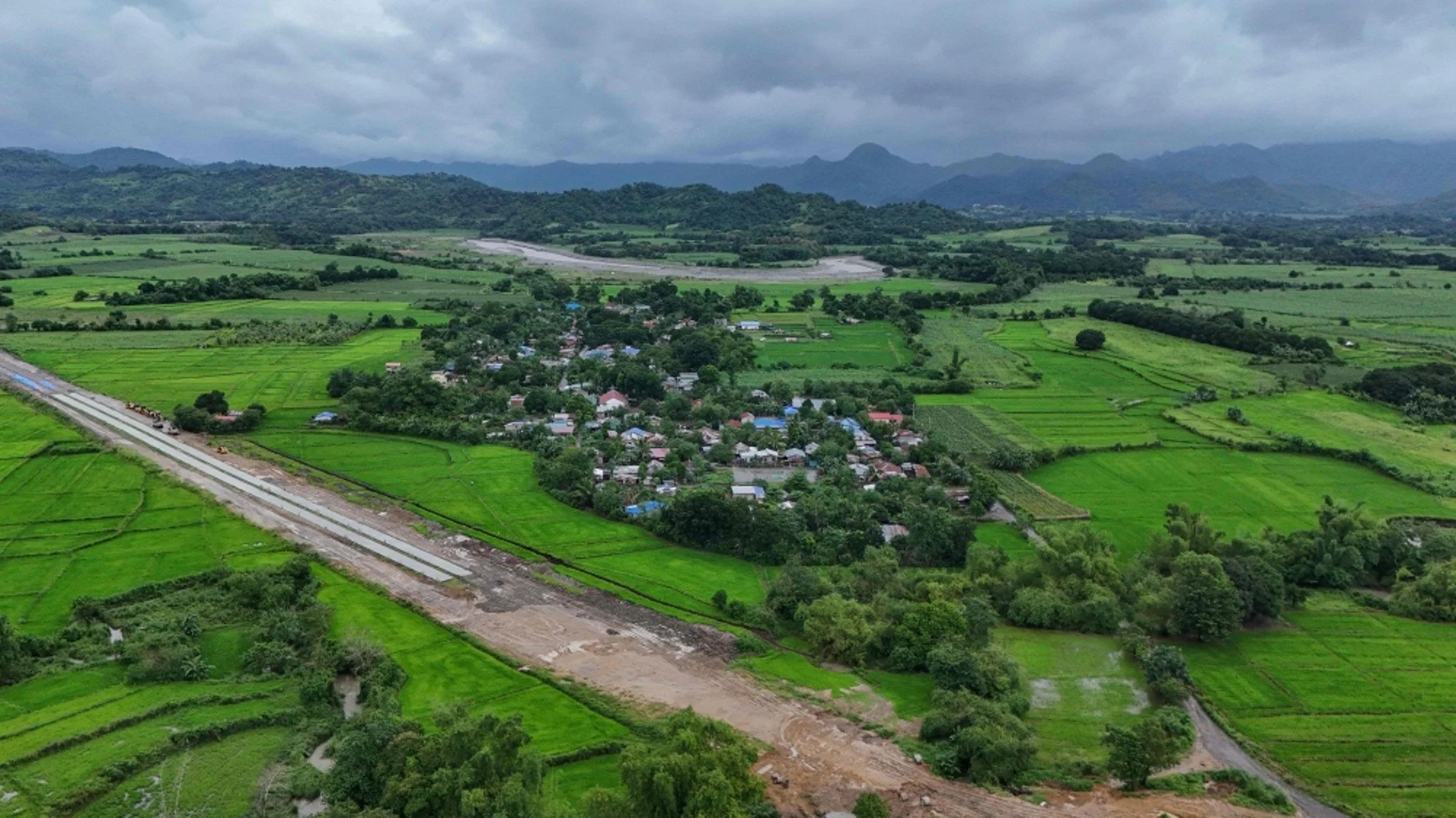
As leaders gather in Manila for the 49th ASEAN Summit, Filipinos in the Philippines and across the diaspora, including here in Portland, are protesting Pax Silica, a US-led technology pact that would build a 1,600-hectare industrial hub in New Clark City, Tarlac. That site overlaps land Indigenous Aeta communities have lived on, farmed, and buried their ancestors in for generations.
We spent time with the history, the policy, and the arguments on both sides before writing this. Our conclusion: DIWA rejects Pax Silica as it is being built today. A project of this size should not move forward on contested ancestral land without the free, prior, and informed consent of the people who live there, and an agreement that shapes the country's future should be negotiated in public, with full review by the Philippine Senate.
We know some readers will see it differently, and many Filipinos hope this hub brings the jobs and growth the country needs. We've laid out that case fairly below. Culture is rooted in place, and a journal that tells Filipino stories can't stay quiet when the place itself is at stake.
— Kyle Beltran, Founder, DIWA
The short version
- What it is: A US State Department initiative, launched in December 2025, to build a technology and AI supply chain among "trusted" partner countries and away from China.
- Who's in: 26 countries have signed the Pax Silica Declaration as of November 2026. The Philippines joined in April 2026 as the 13th.
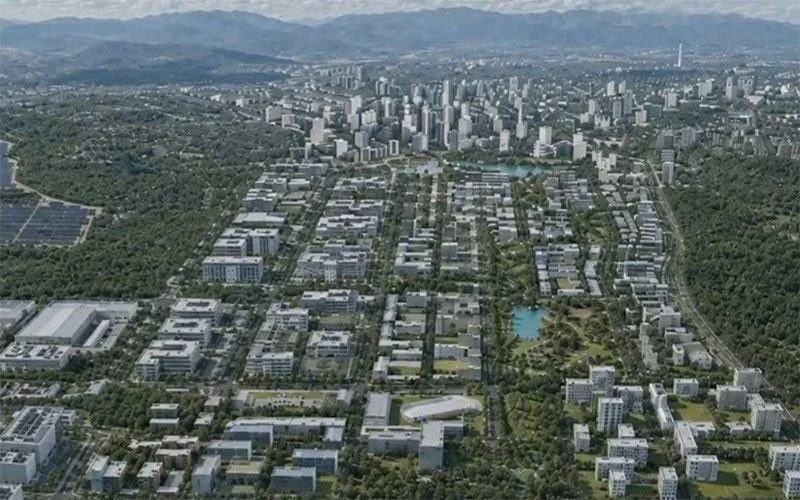
- What it means on the ground: A proposed 1,620-hectare "Economic Security Zone" in New Clark City, Capas, Tarlac, to make components for AI data centers.
- Why people are protesting: The site overlaps Aeta ancestral domain claims. Critics also raise sovereignty, water, power costs, and the risk of being pulled deeper into the US-China rivalry.
- Where it stands this week: Philippine and US officials say no agreement will be signed during the ASEAN Summit. The legal framework is now targeted for year-end.
Where the name comes from
Pax is Latin for peace, and silica is the compound that becomes the silicon in computer chips. Historians use "pax" for long stretches of order enforced by one dominant power: Pax Romana, Pax Britannica, Pax Americana. The Atlantic Council has noted that, read this way, the name points to stability under a single leading power. For Filipinos, who lived under Spanish and then American rule, that framing is hard to read as neutral.
How Pax Silica came to be
For several years, the United States and China have competed over who controls the materials and factories behind advanced technology: rare earths and other critical minerals, semiconductor manufacturing, and the data centers that power artificial intelligence. China dominates much of the critical-minerals supply chain, and Washington has spent recent years trying to build alternatives with its allies.
Pax Silica is the latest and most ambitious of those efforts. The State Department launched it at a summit in Washington on December 12, 2025, where the first group of countries signed the Pax Silica Declaration. Sources say the first signatories included Japan, South Korea, Singapore, Australia, Israel, and the United Kingdom, and some reports also list the Netherlands, Greece, Qatar, and the United Arab Emirates. The initiative is led by Jacob Helberg, the State Department's Under Secretary for Economic Affairs.
Three details help explain what kind of agreement this is:
- A declaration of intent. The founding document is non-binding and was never ratified as a treaty. It commits members to cooperate across the whole tech supply chain, from raw materials to AI infrastructure.
- Membership is by invitation. According to the watchdog group Public Citizen, Helberg has said countries are invited based on their alignment with the United States on broader geopolitical issues and on what they can contribute.
- China is the unnamed subject. The declaration avoids naming China, but Helberg has described the initiative's purpose as competing with China for dominance in AI supply chains.
Membership grew through 2026. A second summit in June added ten economies, and by November the initiative counted 26 signatories. Taiwan has endorsed its principles through a separate joint statement rather than signing.
How the Philippines got here
The groundwork came two years earlier. On April 11, 2024, President Ferdinand Marcos Jr., US President Joe Biden, and Japanese Prime Minister Fumio Kishida held their first trilateral summit at the White House and launched the Luzon Economic Corridor, an infrastructure plan linking Subic Bay, Clark, Manila, and Batangas. Several analysts now describe Pax Silica as the project that gave the corridor its renewed purpose.
On April 16, 2026, the Philippines formally signed the Pax Silica Declaration. The same day, the two governments announced plans for a 4,000-acre (about 1,620-hectare) Economic Security Zone inside New Clark City, in Capas, Tarlac, on land managed by the Bases Conversion and Development Authority (BCDA). In May, Helberg unveiled a Pax Silica marker at the site.
The Philippines brings things the alliance wants: large reserves of nickel and other critical minerals, an established electronics assembly industry, a young English-speaking workforce, and a location close to Taiwan, Japan, and South Korea.
The land has a history
New Clark City sits inside the former Clark military reservation, and its story runs through more than a century of Philippine-American history.
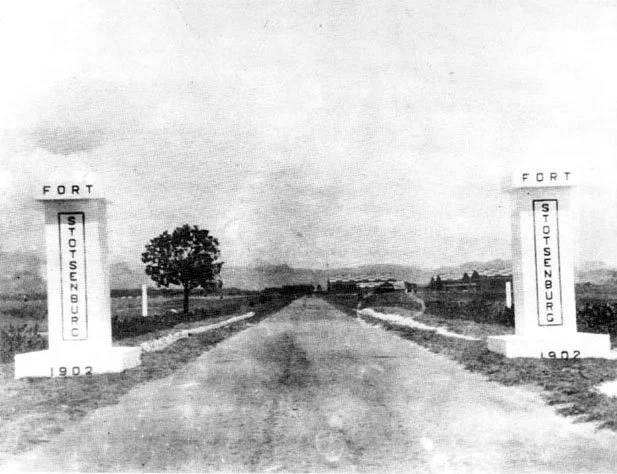
- 1903: After the Philippine-American War, the US Army established Fort Stotsenburg near Angeles, Pampanga. Part of it later became Clark Field, and in 1947 the two were merged as Clark Air Base, one of the largest American military installations abroad. Building the base dispossessed Aeta communities across a reservation of more than 30,000 hectares.
- 1991: In June, Mount Pinatubo erupted and buried much of Clark in ash, displacing Aeta communities who lived on the volcano's slopes. That September, the Philippine Senate voted against a new bases treaty, and the US Air Force handed Clark to the Philippines in November.
- After the bases: The land became the Clark Freeport Zone and, later, New Clark City, a planned "smart city" run by the BCDA.
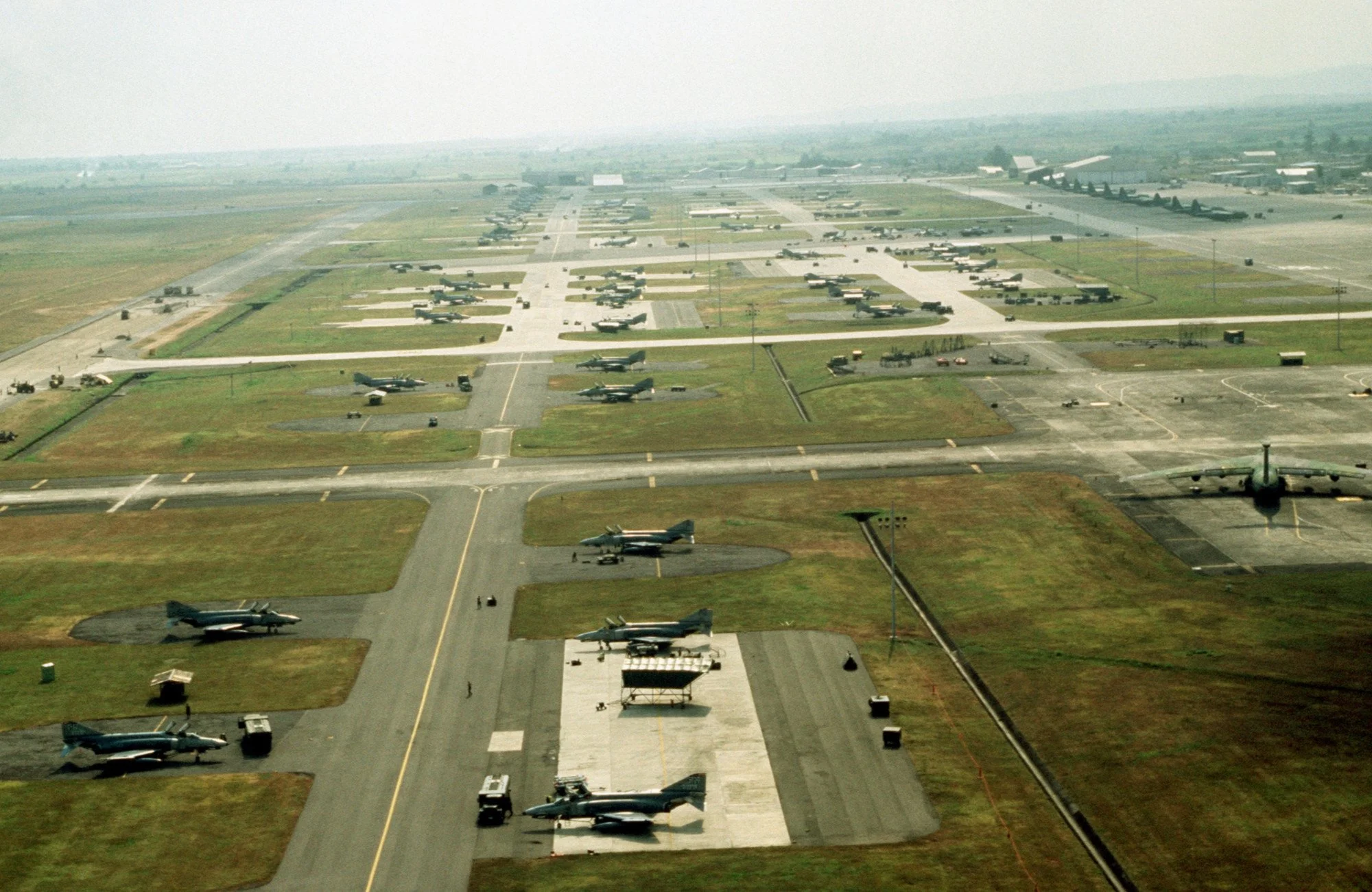
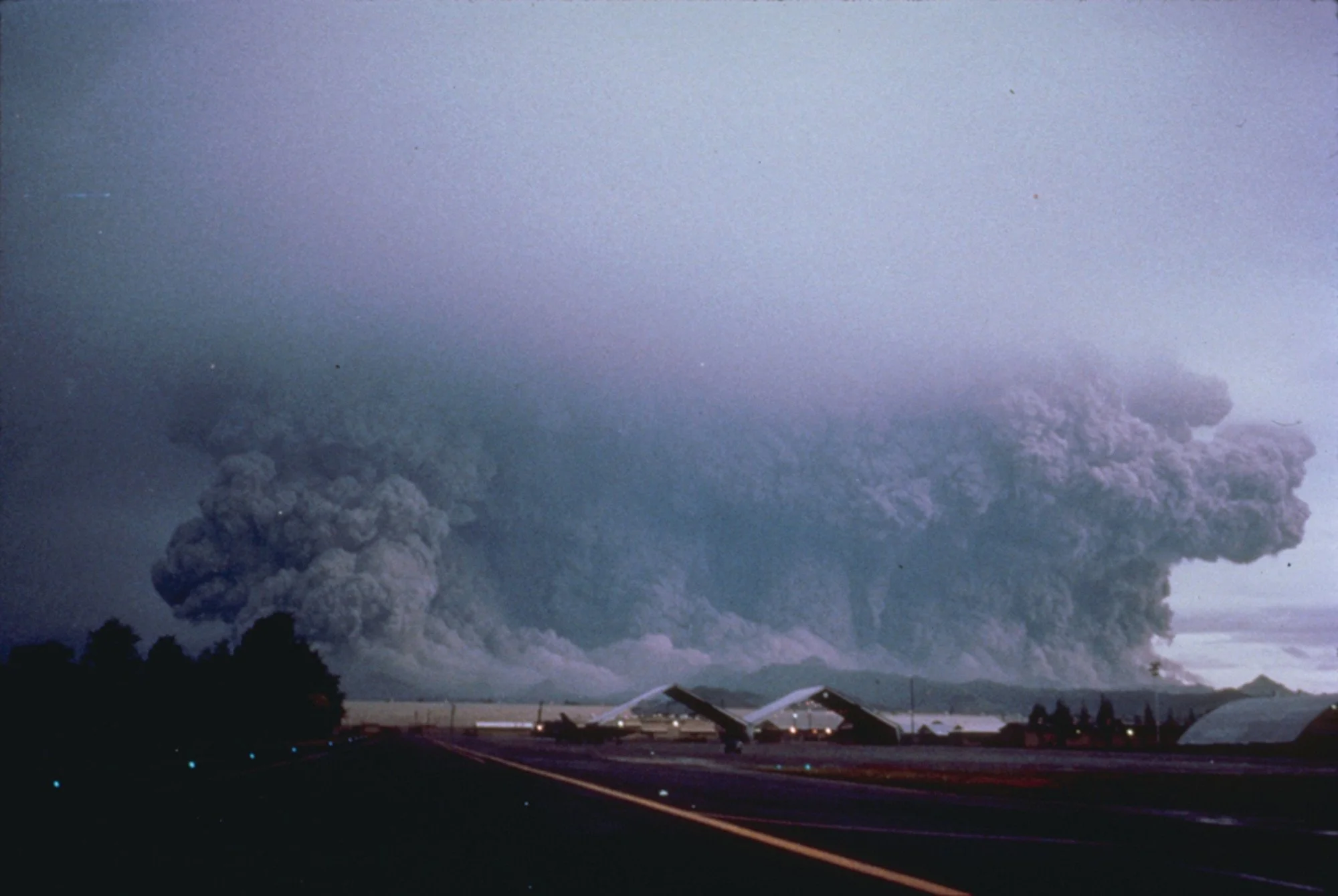
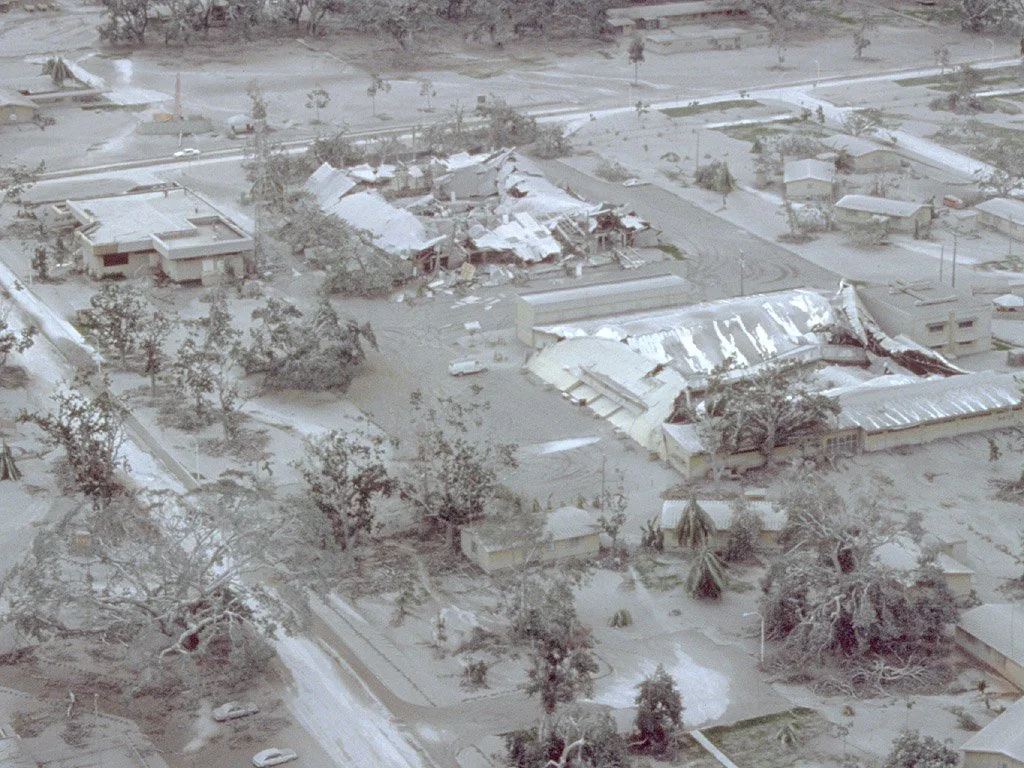
For many critics, a US-backed zone on former US base land, on terms still being negotiated, looks like history circling back. Supporters see a chance for the country to finally decide for itself what that land becomes.
What supporters say
- Moving up the value chain. The Philippines has long assembled and tested chips designed and made elsewhere. Supporters argue Pax Silica is the country's best opening in a generation to make higher-value components.
- Jobs after the BPO boom. Some economists and developers describe the hub and the Luzon corridor as the next big source of work, and a shift away from an economy built on call centers, remittances, and consumption.
- Investment the country needs. Philippine GDP growth slowed to 2.1% in the most recent figures, the weakest in the region. The government is betting on new investment to turn that around.
- Proceed, carefully. The Management Association of the Philippines, a group of top business leaders, backs the project under a "Proceed, but Protected" approach, calling for safeguards as it moves forward.
What critics say
1. It sits on Aeta ancestral land
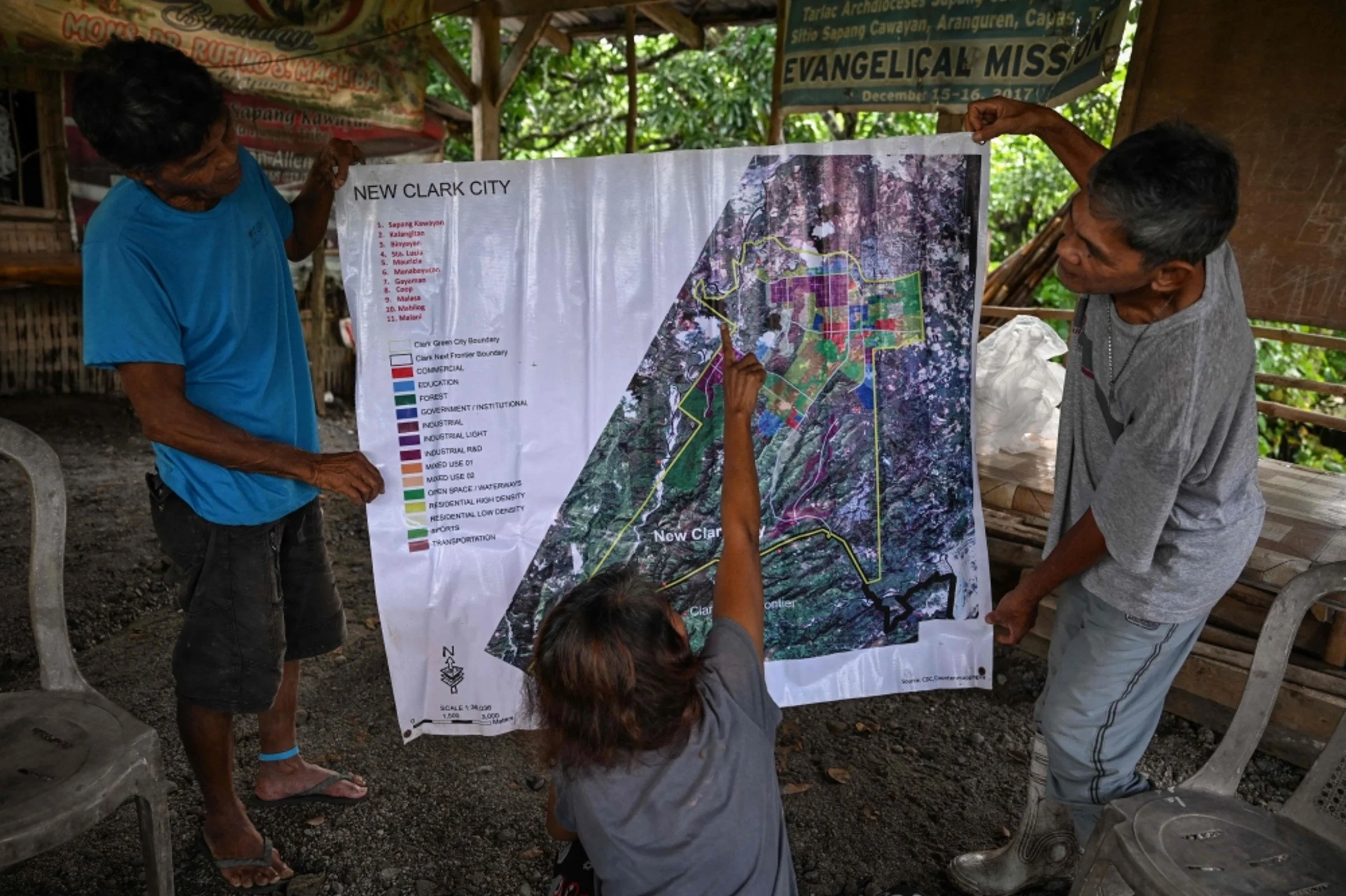
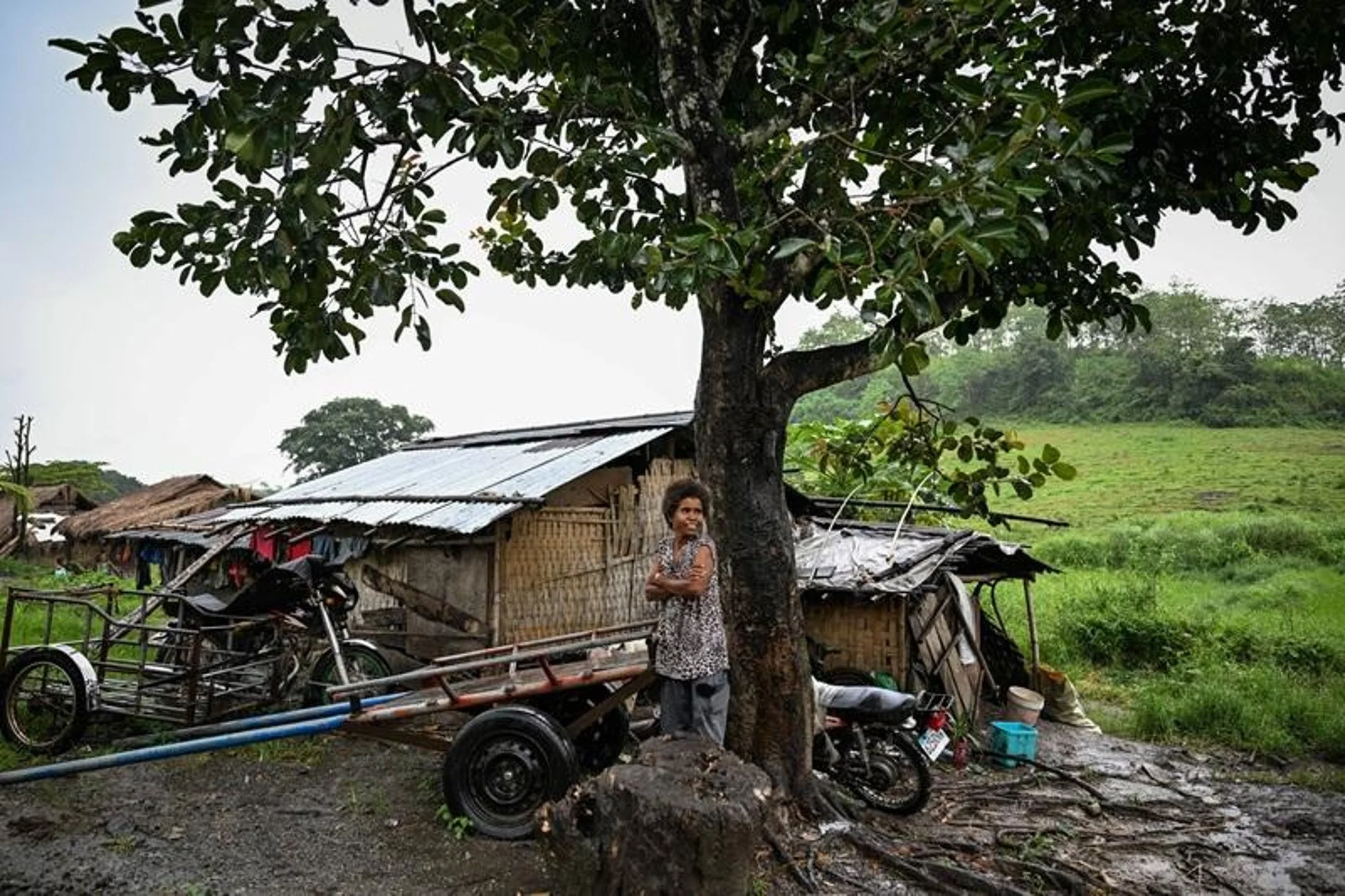
The hub's site overlaps ancestral domain claims of thousands of Aeta, according to reporting by Mongabay. A survey by the geographers' group Countermapping PH found the planned construction would affect at least three existing Aeta villages. Leaders of Sitio Sapang Kawayan in Barangay Aranguren, Capas, say burial grounds are inside the area and that they were not consulted before plans were announced.
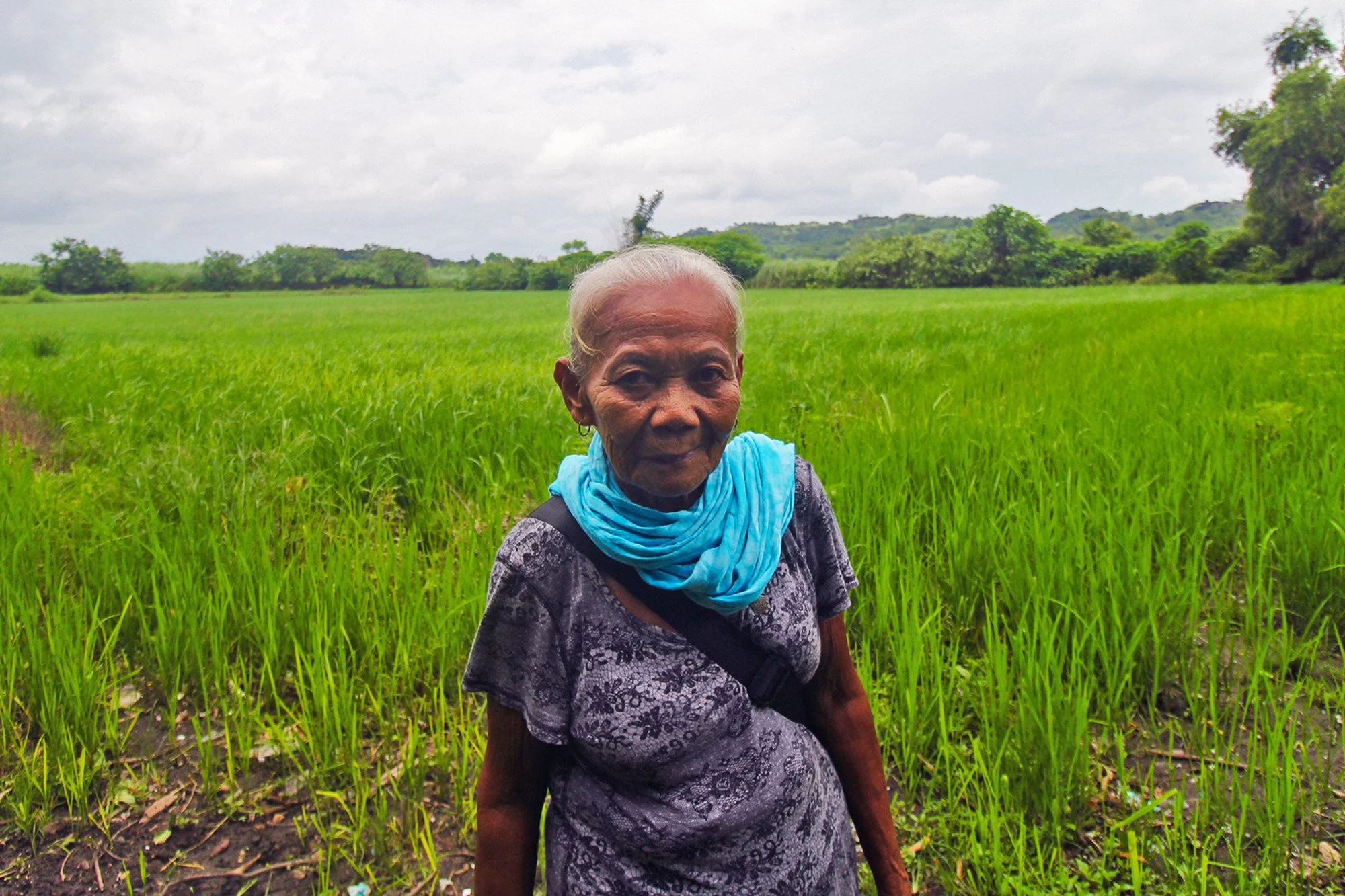
Residents say the BCDA offered 30 pesos (about 48 US cents) per square meter for their land, and that all of them turned it down. The community's chieftain, Petronila Muñoz (also reported as Petroniza Capriz-Muñoz and Petronila Capiz), told AFP: "Land is more important. Money runs out."
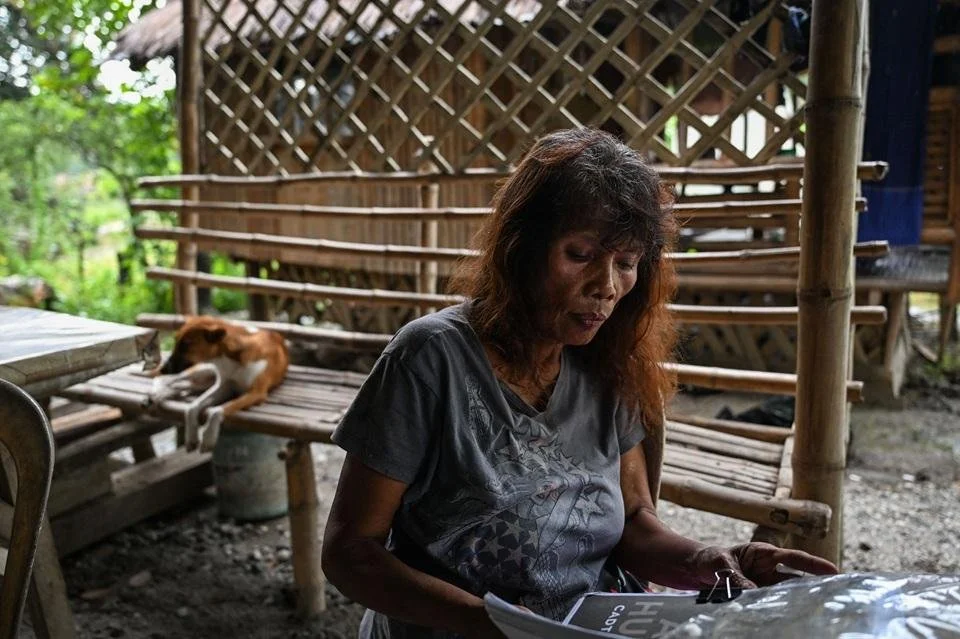
The BCDA's position is that the site is public land and that no ancestral domain title exists there, so no one will be displaced. That gap is the heart of the dispute. Under the Indigenous Peoples' Rights Act of 1997, Indigenous communities apply to the National Commission on Indigenous Peoples for a Certificate of Ancestral Domain Title, and that process can take years. Aeta elders argue their claim stands with or without the paper, and that the law also requires free, prior, and informed consent before projects on their land. The mayor of Capas has also said local officials were not consulted before the plan was announced.
2. Sovereignty
In spring 2026, reports citing US officials said Washington wanted the zone to run under US common law, with diplomatic-style protections for American personnel. Philippine officials rejected that, saying the zone will follow Philippine law under the Special Economic Zone Act and the BCDA charter, with "no special arrangement." Helberg has also disputed how the reports characterized the proposal. Because the framework agreement has not been made public, it's still unclear what terms are on the table.
3. Water and power
Chip plants and data centers use enormous amounts of water and electricity. Environmental groups and residents worry about pressure on local water sources, including rivers Aeta and farming families rely on. The Makabayan bloc has argued the project could lock in some of the highest power rates in Asia.
4. A deeper role in the US-China rivalry
Critics, from activist groups to some analysts, argue that hosting a zone built to bypass Chinese supply chains moves the Philippines away from the hedging most of Southeast Asia practices. They link Pax Silica to the growing US military presence in the country, including expanded EDCA sites. Public Citizen, a US watchdog, has also noted that Pax Silica is being built through executive-branch agreements and summit declarations, with little legislative oversight in the United States.
Where things stand this week
The Philippines chairs ASEAN this year and is hosting the 49th summit in Manila. President Trump is expected to arrive on Tuesday, November 17, for a special ASEAN-US summit, his first visit to the country since 2017.
Earlier reports suggested the Pax Silica agreement would be signed during his visit. The US ambassador, Lee Lipton, has since said no Pax Silica announcement is planned for the summit, and Philippine trade officials say the signing is targeted for year-end instead.
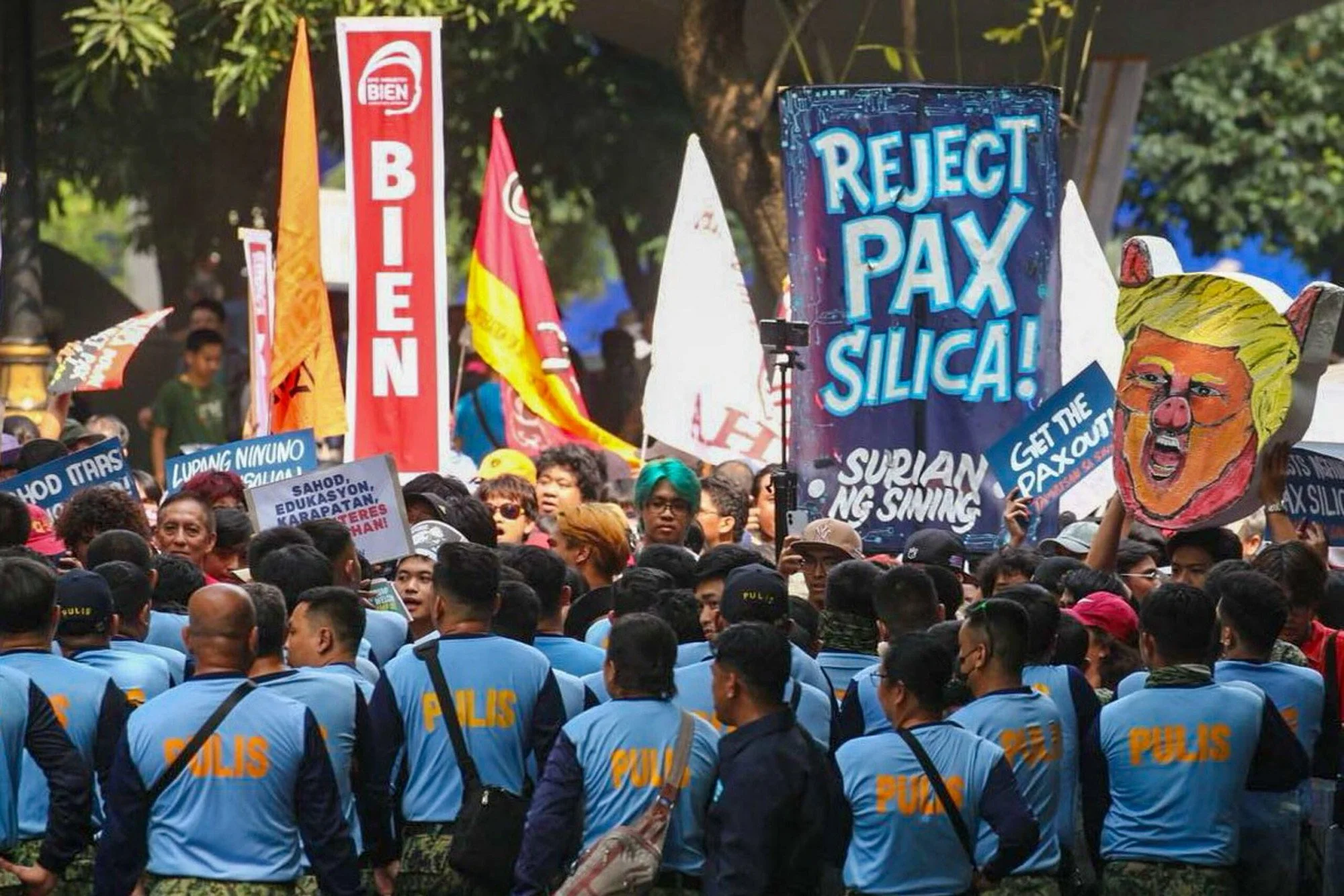
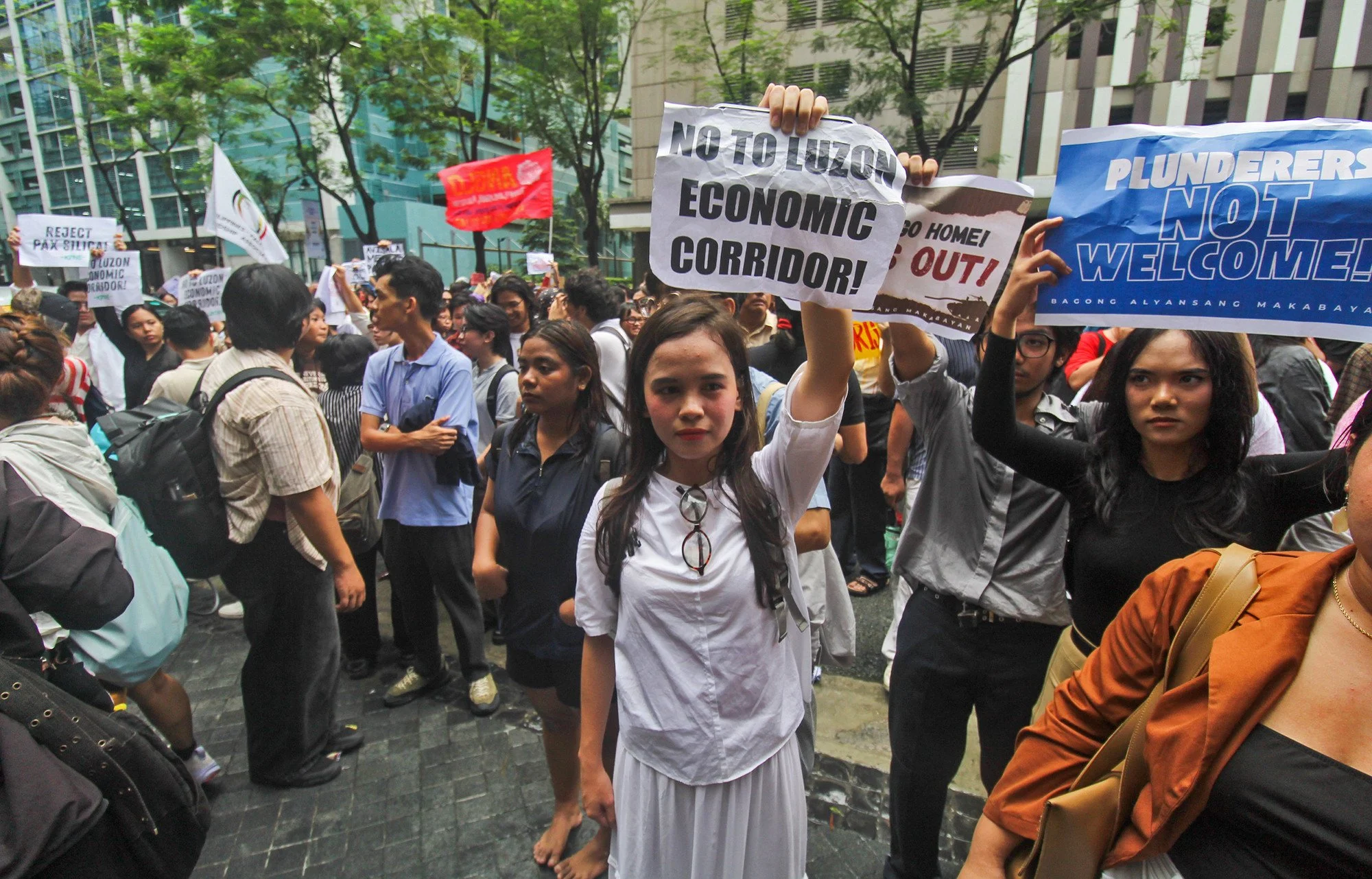
Protests have continued anyway. Aeta leaders and farmers from Capas have traveled to Quezon City more than once to speak publicly against the project. In September, hundreds rallied outside a Luzon Economic Corridor investors' forum in Manila. On November 9, the women's group Gabriela marched in Manila, and on November 15, police clashed with protesters at Liwasang Bonifacio, and some were arrested.


Why DIWA rejects Pax Silica
We support investment in the Philippines, good jobs, and the country's ambition to build more of the technology the world runs on. We reject Pax Silica as it is being built today, for four reasons:
- Consent comes first. No project should break ground on land Aeta communities have lived on and buried their dead in without their free, prior, and informed consent. A missing title doesn't erase generations of presence.
- The terms should be public. An agreement that could shape Philippine land, law, and foreign policy for decades should be published and reviewed by the Philippine Senate before it is signed.
- History matters. Clark was taken for one foreign power's strategy once already. The people who lost land then deserve a real say in what happens to it now.
- The costs land on the people with the least power. Water, electricity, and land pressures fall hardest on farmers and Indigenous communities, while the strategic benefits flow elsewhere.
If Pax Silica is going to move forward, we believe it should be on these terms: recognition of the Aeta's claims, real consultation, published terms, and full legislative review.
What you can do
- Read the primary sources. The State Department publishes the Pax Silica Declaration at state.gov/pax-silica.
- Listen to the people most affected. Follow the Aeta leaders of Capas and the Indigenous peoples' groups amplifying their statements, such as Katribu.
- Connect locally. Find Portland's Filipino advocacy and mutual aid groups in the Mutual aid section of The Weft by DIWA, and follow them for rallies and teach-ins.
- Contact your members of Congress. Ask what the United States is negotiating in your name, and whether Congress will review it. Look up your representative at house.gov by entering your ZIP code, and find your senators at senate.gov.
Explainers like this one go out first to readers of The Loom, DIWA's free newsletter. Subscribe below to get the next one.
Sources
- US Department of State, Pax Silica
- ITIF, Tracking Pax Silica's Evolution: A Timeline, updated Nov. 3, 2026
- Public Citizen, What Is Pax Silica?
- Atlantic Council, Three elements Trump's 'Pax Silica' needs to succeed
- Joint Vision Statement of Japan, the Philippines, and the United States, April 11, 2024
- Mongabay, Planned US tech hub in Philippines hit over environmental and Indigenous land concerns, Sept. 2026
- GMA News, Aeta community in Capas, Tarlac in limbo over Pax Silica hub
- Radio Free Asia, Residents say Philippines' Pax Silica Hub will force them off their ancestral land, Sept. 22, 2026
- Daily Tribune, Aetas, farmers in Tarlac defend ancestral domain and farmlands, oppose Pax Silica, Aug. 6, 2026
- South China Morning Post, US Pax Silica hub plan hits Philippine sovereignty wall, May 2026
- Responsible Statecraft, on Philippine protests against Pax Silica
- Philstar, No Pax Silica announcement during ASEAN – US envoy, Nov. 8, 2026
- Rappler, Pax Silica signing eyed by year-end, not during ASEAN Summit, and Police arrest anti-Pax Silica protesters as ASEAN Summit opens in Manila, Nov. 2026
- Philstar, LEC, Pax Silica 'next big thing for Philippines', July 26, 2026
- Africanews/AP, 'Trump out!' Women rally ahead of ASEAN summit, Nov. 9, 2026
- US Air Force, The Evacuation of Clark Air Force Base