In 1941, roughly 260,000 Filipinos answered a U.S. call to arms. Five years later, Congress took back what they had been promised. The fight for recognition outlasted most of the men who fought.
On October 25, 2017, Celestino Almeda sat in Emancipation Hall at the U.S. Capitol, a hundred years old, waiting for a medal. In 1941 he had been a 24-year-old teacher in the Philippines who enlisted when the war came. Now he was among the few veterans left to see Congress award its highest civilian honor to the Filipinos who fought under the American flag in World War II. "Many have passed away," he told Military Times, "waiting for 75 years for this time to come."
The gold medal arrived seven decades after a different act of Congress, one that told those same soldiers their service did not count. Between the two lies one of the longest open chapters in Filipino American history: a promise made in wartime, withdrawn in peacetime, and paid back in pieces across three generations. It also reaches into Filipino American families who serve today, including mine.
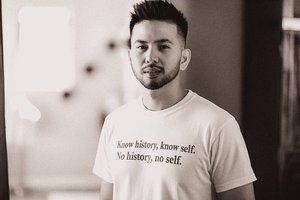
I didn’t grow up with a grandfather’s stories from World War II. The soldier in my family is my brother.
He joined the Marines after September 11 and served two tours in Iraq. He came home with PTSD. In those first months back, we would wake in the middle of the night to noise in the house and find him in full uniform, crouched behind the sofa with his gun, certain that someone was coming for him.
Years later, he is still fighting the VA for the care he earned. His fight is with a system built to serve him. In 1946, Congress wrote roughly 260,000 Filipino soldiers out of that system entirely, and many of them spent the rest of their lives trying to get back in.
Filipino Americans keep answering the call; I still have family on active duty. This is the story of the men who answered it first, and of what their country owed them.
The call
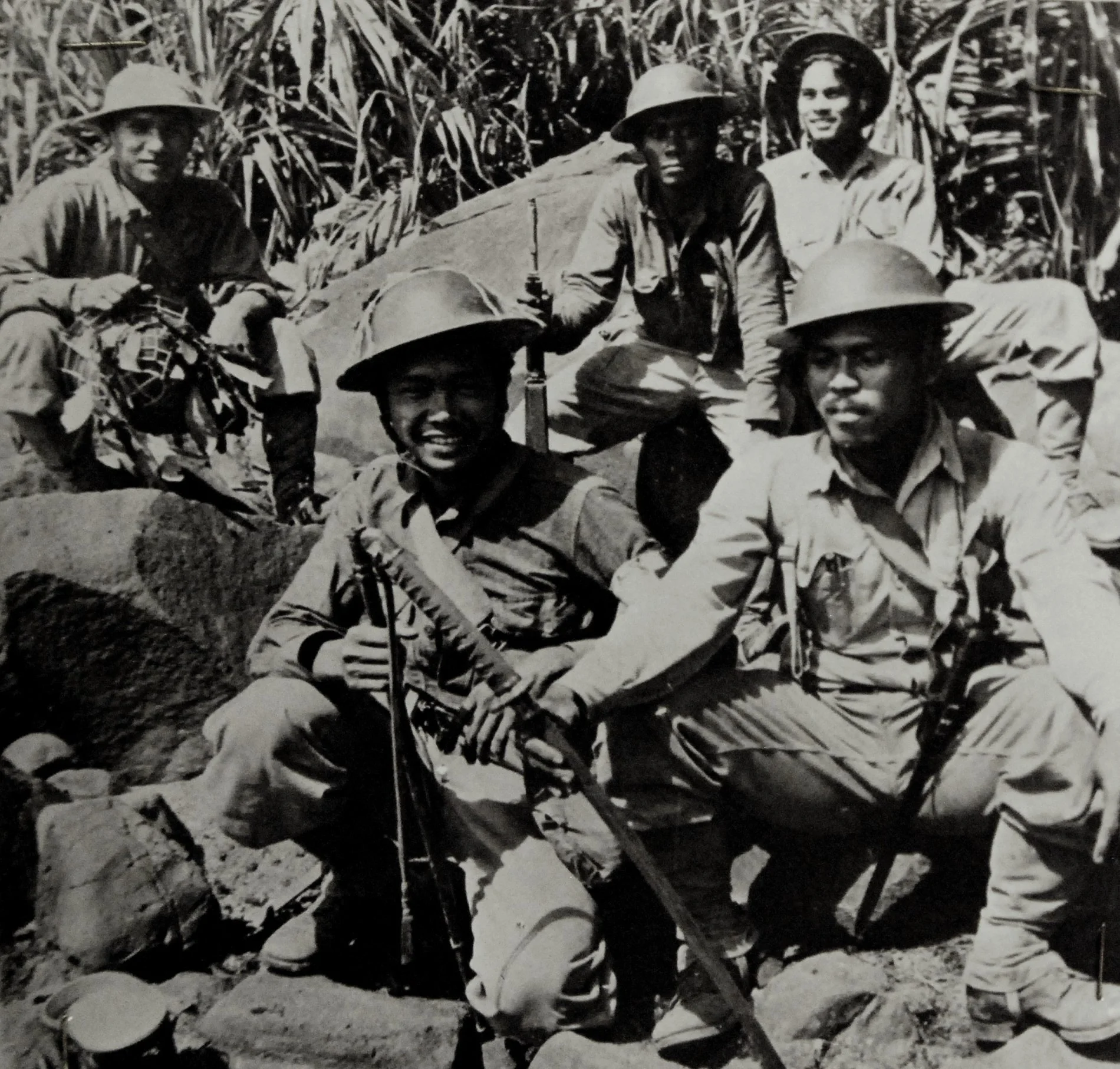
In 1941 the Philippines was an American commonwealth and Filipinos were U.S. nationals. On July 26 of that year, President Franklin D. Roosevelt called "all of the organized military forces of the Government of the Philippines" into the service of the United States. They joined the U.S. Army Forces in the Far East, under General Douglas MacArthur.
Within months, Japan attacked. Filipino and American troops held Bataan and Corregidor into the spring of 1942, and after the surrender, thousands of Filipino and American prisoners were forced on the Bataan Death March. Congress later estimated that 6,000 to 10,000 Filipinos died on that march, alongside nearly 700 Americans. Across the war, about 57,000 Filipinos in uniform died. Civilian deaths in the Philippines are estimated at 700,000 to more than one million.
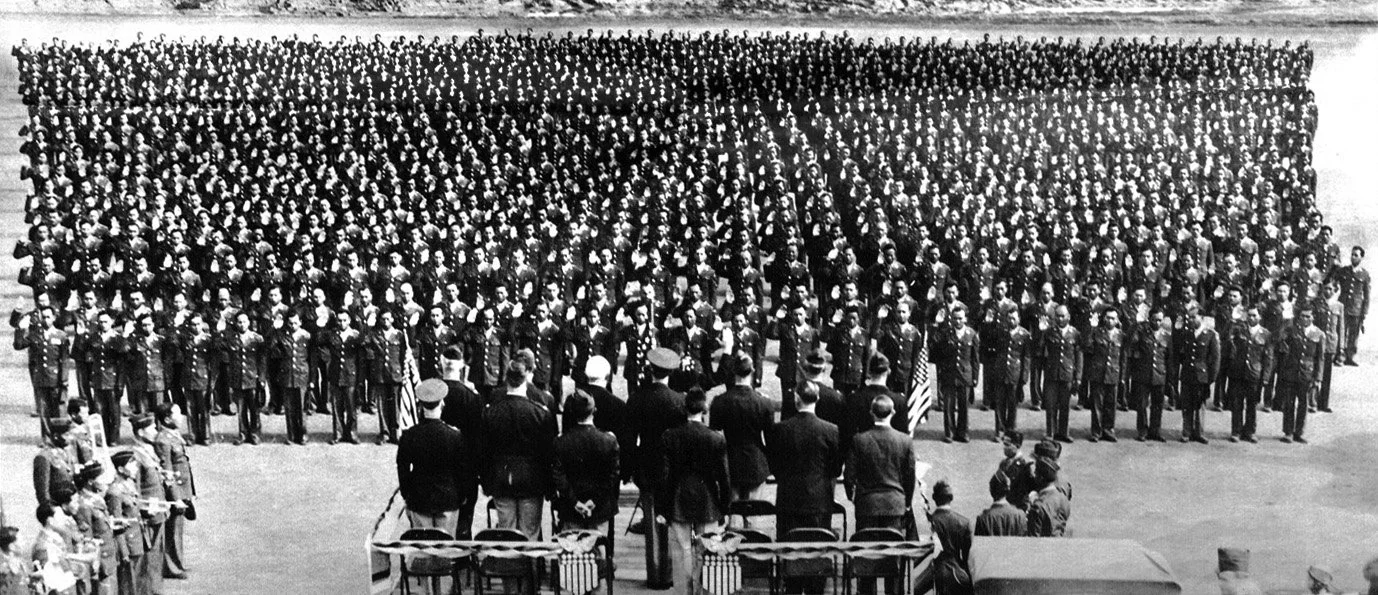
Those who survived kept fighting. Guerrilla units across the islands gathered intelligence, sabotaged Japanese positions and prepared the ground for the American return in 1944. In the United States, about 16,000 Filipinos in California alone signed up once enlistment opened to them, and nearly 9,000 Filipinos and Filipino Americans served in the Army’s 1st and 2nd Filipino Infantry Regiments.
Rescinded
The soldiers had been told they would be treated as American veterans. In February 1946, months before Philippine independence, Congress passed the first of two Rescission Acts. The laws declared that service in the Philippine Commonwealth Army and the newly formed Philippine Scouts did not count as active U.S. military service. The first act paired $200 million for the pay of the Philippine Army with a rider that shut its veterans out of the G.I. Bill, except for disability and death benefits, which would be paid at one peso for every dollar.
President Harry S. Truman signed the bill and objected to the rider in the same breath. "I consider it a moral obligation of the United States to look after the welfare of Philippine Army veterans," he wrote in his signing statement of February 20, 1946. "They fought, as American nationals, under the American flag, and under the direction of our military leaders. They fought with gallantry and courage under most difficult conditions during the recent conflict."
Citizenship, alone
For more than four decades, little changed. Then the Immigration Act of 1990, signed by President George H. W. Bush that November, opened a path to U.S. citizenship for Filipino World War II veterans. About 26,000 became citizens through it.
Citizenship did not reverse 1946. Veterans who moved to the United States still could not draw a veterans’ pension or rely on veterans’ hospitals, and the law did not bring their families with them. Many of the men, by then in their seventies, came alone and lived on Supplemental Security Income, far from children and grandchildren still waiting in the Philippines.
A check, a list, a fire
The next step came in 2009, through the American Recovery and Reinvestment Act. Its Filipino Veterans Equity Compensation Fund offered a one-time payment: $15,000 for veterans who were U.S. citizens and $9,000 for those who were not.
Proving eligibility was its own ordeal. Claims were checked against a postwar list of recognized soldiers and guerrillas, and many Army records had been destroyed in the 1973 fire at the National Personnel Records Center in St. Louis. As of January 2019, more than 18,000 claims had been approved and nearly 24,000 denied, according to History.com.
Families
Because many veterans immigrated as older men, the next fight was for their children. In June 2016, the government created the Filipino World War II Veterans Parole program, which let certain relatives with approved immigrant petitions come to the United States while they waited for a visa. U.S. Citizenship and Immigration Services announced in 2019 that it would end the program, then reversed course in 2021. The Filipino Veterans Family Reunification Act, which would move veterans’ children to the front of the visa line, has been introduced in Congress several times.
Duty to Country
On December 14, 2016, President Barack Obama signed the Filipino Veterans of World War II Congressional Gold Medal Act. The medal was presented at the Capitol the following October. Its front shows a Filipino scout, an officer of the Filipino infantry regiments and a guerrilla soldier, designed by Joel Iskowitz and engraved by Phebe Hemphill. The back shows the American and Philippine flags of the period above the words "Duty to Country," and names Bataan and Corregidor, Luzon, Leyte and the Southern Philippines, designed by Donna Weaver and engraved by Joseph Menna.
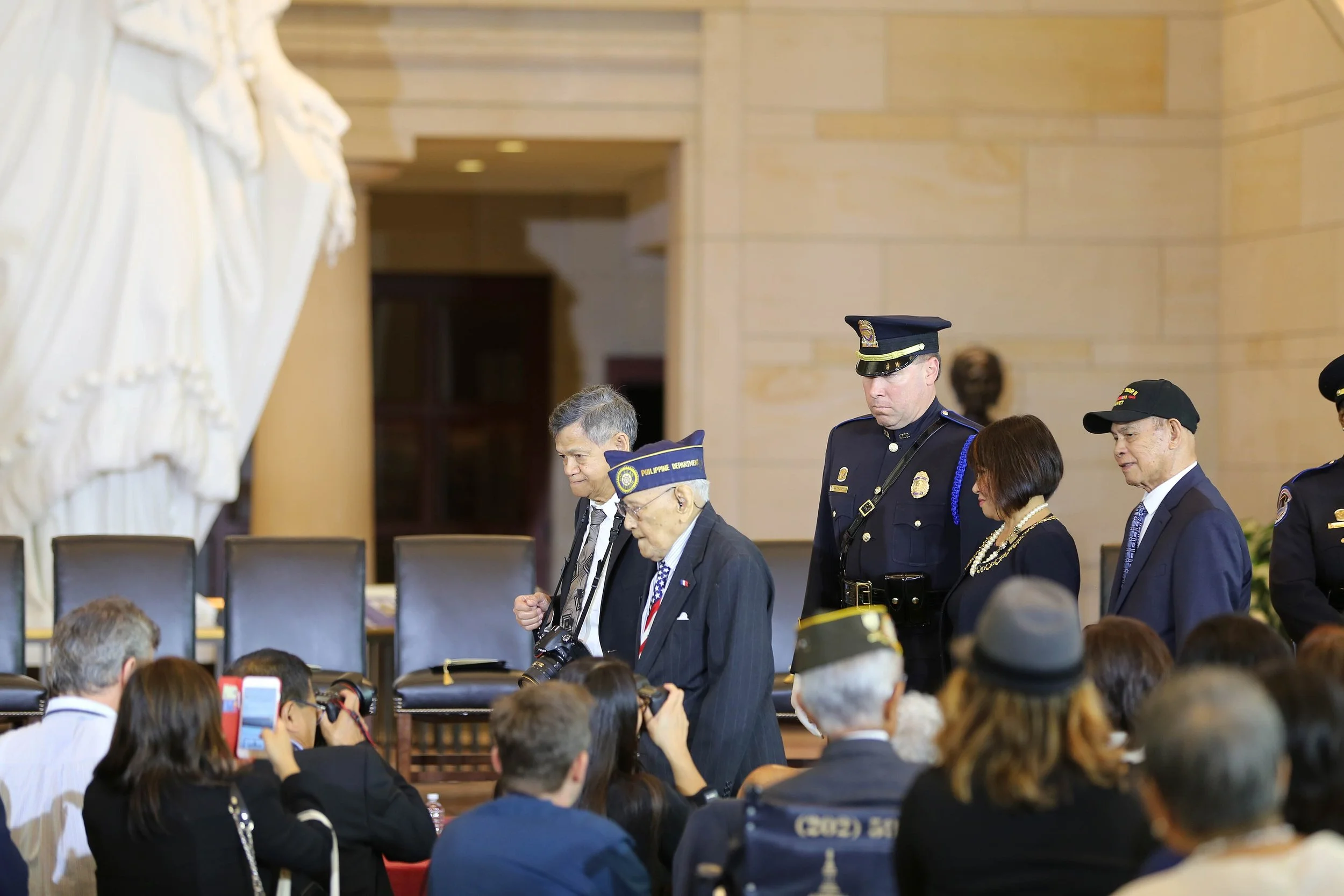
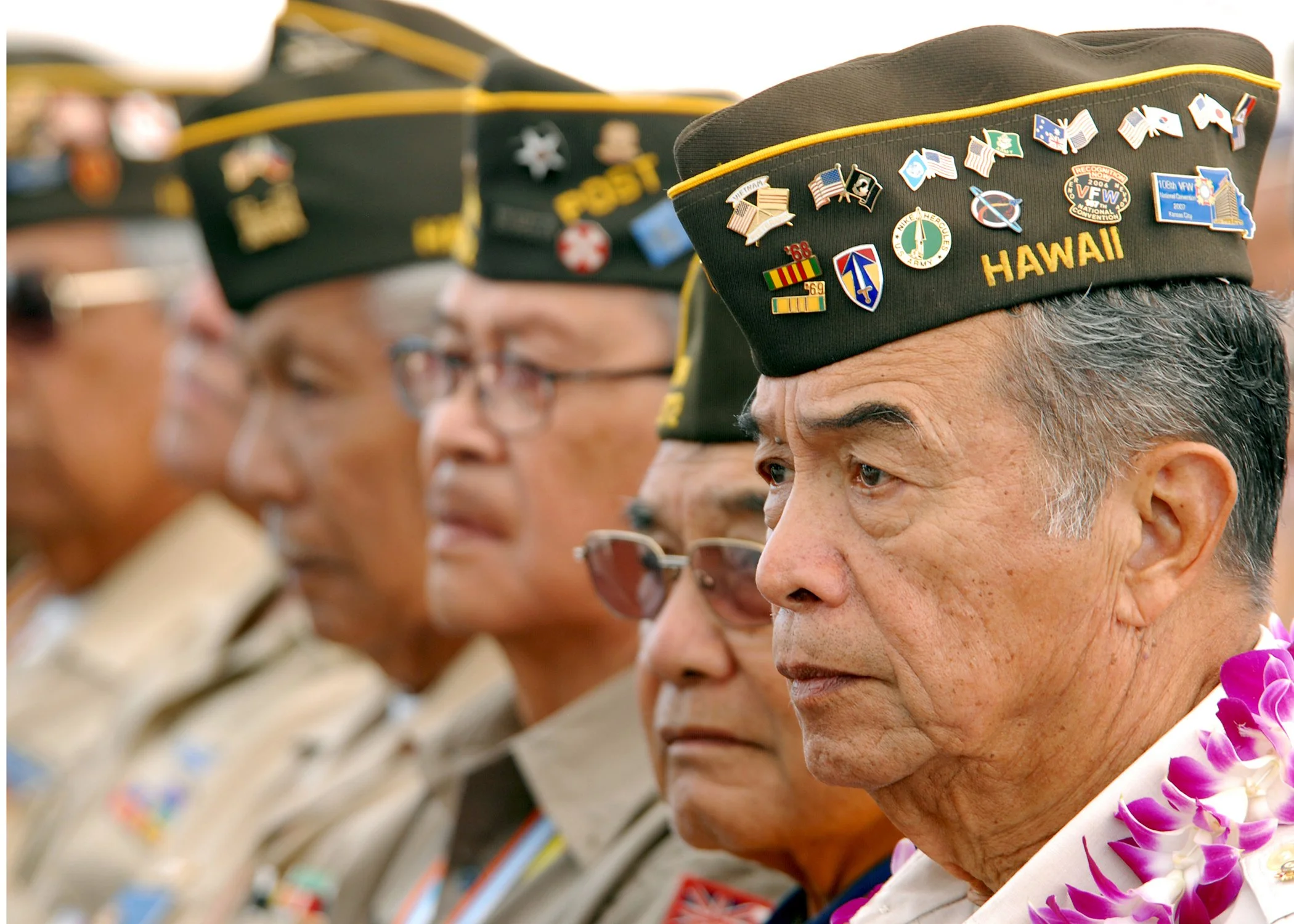
A medal does not include back pay. Retired Major General Antonio Taguba, who led the campaign for the medal as chair of the Filipino Veterans Recognition and Education Project, has described the larger effort for benefits as "a battle of attrition." In 2017, Military Times put the number of surviving Filipino veterans at about 18,000. In April 2024, the Philippine Veterans Affairs Office reported that 960 World War II veterans in its records were still living.
What remains
Congress has never repealed the Rescission Acts. The latest attempt to restore full benefits, the Filipino Veterans Fairness Act, was introduced in the House in November 2025. What remains, for most families, is the story itself: the discharge papers in a drawer, a grandfather’s name on a postwar roster, the bronze replicas the U.S. Mint sells for families who want one at home.
Almeda waited 75 years for that afternoon, and at 100 he still called himself a warrior who "will never quit." The medal he waited for bears three words that the soldiers lived up to long before their country did: duty to country.
If someone in your family served, in 1941 or in the years since, ask them about it while you can. If you would like to share their story with DIWA, write to us at stories@diwamag.co.
Keep reading on The Loom: Weaving the history of Filipino America · Undas: How We Remember the Dead
Support the work. Become a DIWA Member: diwamag.co/diwa-membership
Sources
Public Law 114-265, Filipino Veterans of World War II Congressional Gold Medal Act (2016)
U.S. Mint, Filipino Veterans of World War II Receive Congressional Gold Medal (2017)
Military Times, Filipino WWII veterans awarded Congressional Gold Medal (Oct. 26, 2017)
History.com, Filipino Americans Fought With US in WWII, Then Had to Fight for Veterans’ Benefits
Satoshi Nakano, research paper on Filipino World War II veterans (2004)
U.S. Senate resolution recognizing Filipino American History Month (2026)
Philstar, US terminates Filipino veterans parole program (Aug. 6, 2019)
Asian Journal, USCIS to continue Filipino WWII Veterans Parole program (Oct. 6, 2021)
Philippine Daily Inquirer, 960 Filipino World War II veterans still alive (Apr. 10, 2024)