How to spot one, where it came from, and the argument over where it goes next. Our guide to the Philippine dress, ahead of a January 2027 conversation with Gino Gonzales, co-author of Rizzoli’s The Terno: A Century of the Philippine Dress.
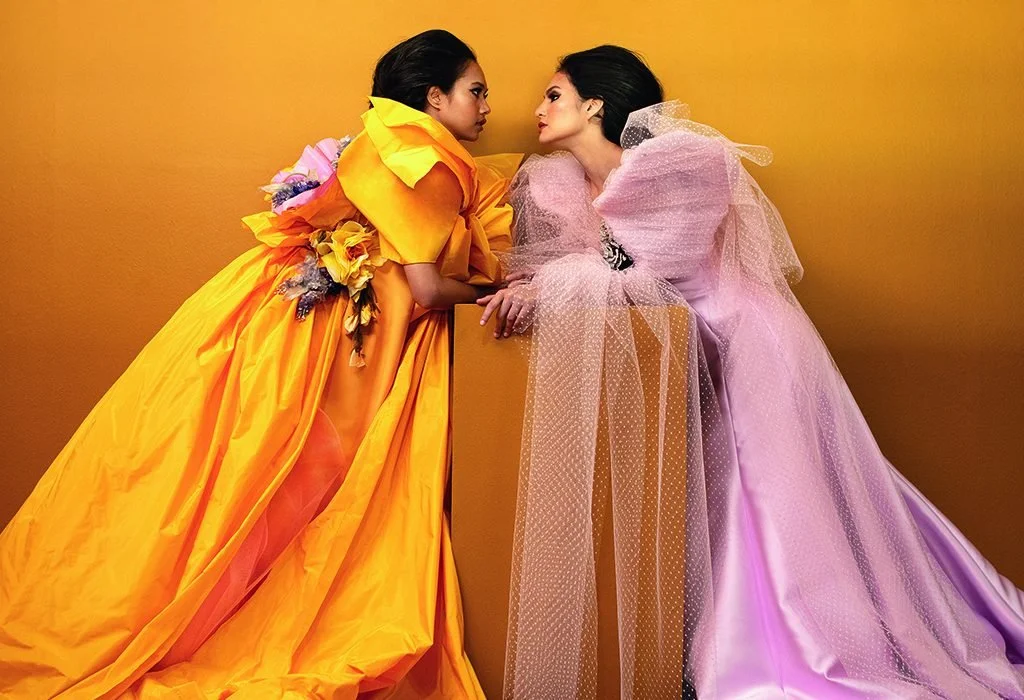
“The butterfly sleeves are the only remaining component of the Philippine dress,” Gino Gonzales told Inquirer Lifestyle in 2019.
Everything else the terno once had has come and gone: the folded pañuelo over the shoulders, the embroidered overskirt, the long train. What’s left are two stiff, pleated wings rising from the shoulders. For a while, even those were shrinking.
Gonzales has spent more than a decade arguing for those sleeves. He co-wrote Fashionable Filipinas, a 2015 history of the Philippine dress, with Mark Lewis Higgins, and he’s the artistic director of Ternocon, the terno-making competition that Bench and the Cultural Center of the Philippines started in 2018.
Now he and Sandra Castro, a former curator at the Intramuros Administration and the Ayala Museum, have written The Terno: A Century of the Philippine Dress. Rizzoli published it in October, and its wide US release is November 17. In January 2027, DIWA will sit down with Gonzales for a virtual conversation about the book.
What is a terno? A terno is a Philippine dress known for its butterfly sleeves: stiff, pleated sleeves that stand up from the shoulder like folded wings. It grew out of the traje de mestiza of the Spanish colonial era, became a one-piece dress in the 20th century, and has been treated as the Philippines’ national dress since the 1930s. The word comes from the Spanish for a matching set.
How to spot a terno
The surest sign is in the sleeves. On a terno, the top of each sleeve is pleated into a fan and stiffened, traditionally with cañamazo, a starched cotton net, so the sleeve stands up on its own instead of falling. The rest of the dress can be almost anything: a ball gown, a sheath, a short cocktail dress, even a top worn with trousers. The sleeves are what make it a terno.
The name explains the rest. In Spanish, terno means a set. In the 1920s, a terno was a matching camisa, pañuelo, and saya, the blouse, shoulder cloth, and skirt, cut from the same fabric or embroidered with the same motifs. According to Gonzales and Higgins’s research, the word didn’t refer to a single dress until about the 1940s.
The terno has a few close relatives, and they’re easy to mix up:
- María Clara: the 19th-century ensemble of camisa, pañuelo, and long skirt, named after the heroine of José Rizal’s Noli Me Tangere. Today it’s often worn as bridal wear.
- Balintawak: the country version, with butterfly sleeves, a wraparound skirt, and a cloth over the shoulder, later made into a cocktail dress.
- Kimona: a loose, sheer blouse, often paired with the patadyong, the tube skirt of the Visayas.
- Filipiñana (Filipiniana): the umbrella term for all of these and more, including garments made from Philippine textiles. Our guide, What Is Filipiñana?, covers the full family.
Who invented it?
No single person invented the terno, and Gonzales has pushed back for years on the idea that one did. National Artist Ramon Valera is often given the credit. “No one person invented it. It was a collective effort,” Gonzales told Inquirer Lifestyle. Designers, seamstresses, embroiderers, and the women who wore the dress all changed it, one decade at a time. Pacita Longos, for one, is widely credited with flattening and starching the sleeves in the early 1920s, which gave them their butterfly shape.
A century in four turns
It became the national dress. In the 1930s, as the Philippines prepared for independence under the Commonwealth, the terno and the barong were promoted as national dress. First Lady Aurora Aragon Quezon wore the terno for public appearances, and the First Ladies after her wore it through most of the century.
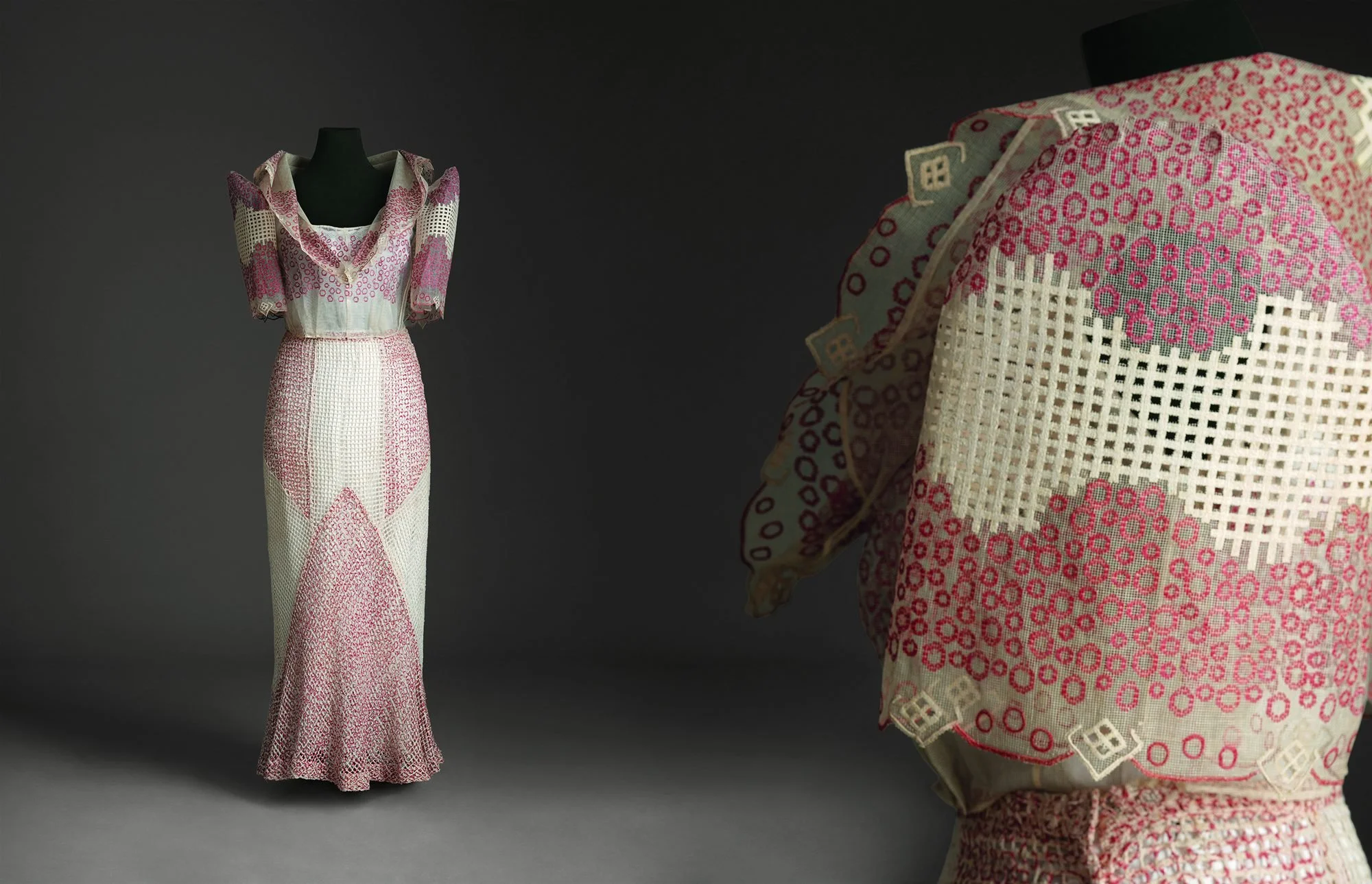
It became one dress. After World War II, the pañuelo disappeared from most ternos, and the outfit became a single dress. In the 1950s, Manila couturiers, led by Valera and Salvacion Lim, known as Slim, took on Paris silhouettes while holding on to the sleeves. Both are now National Artists.
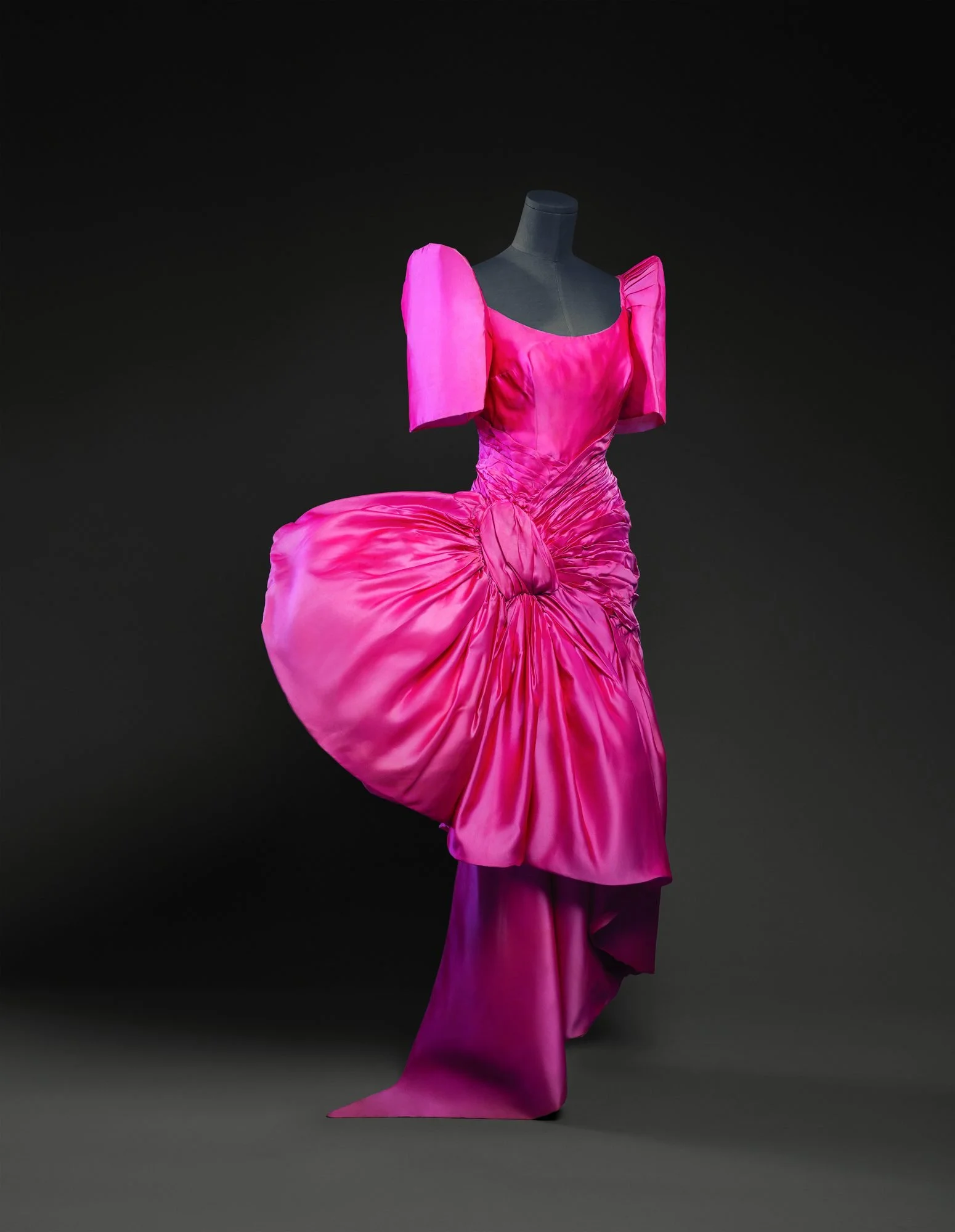
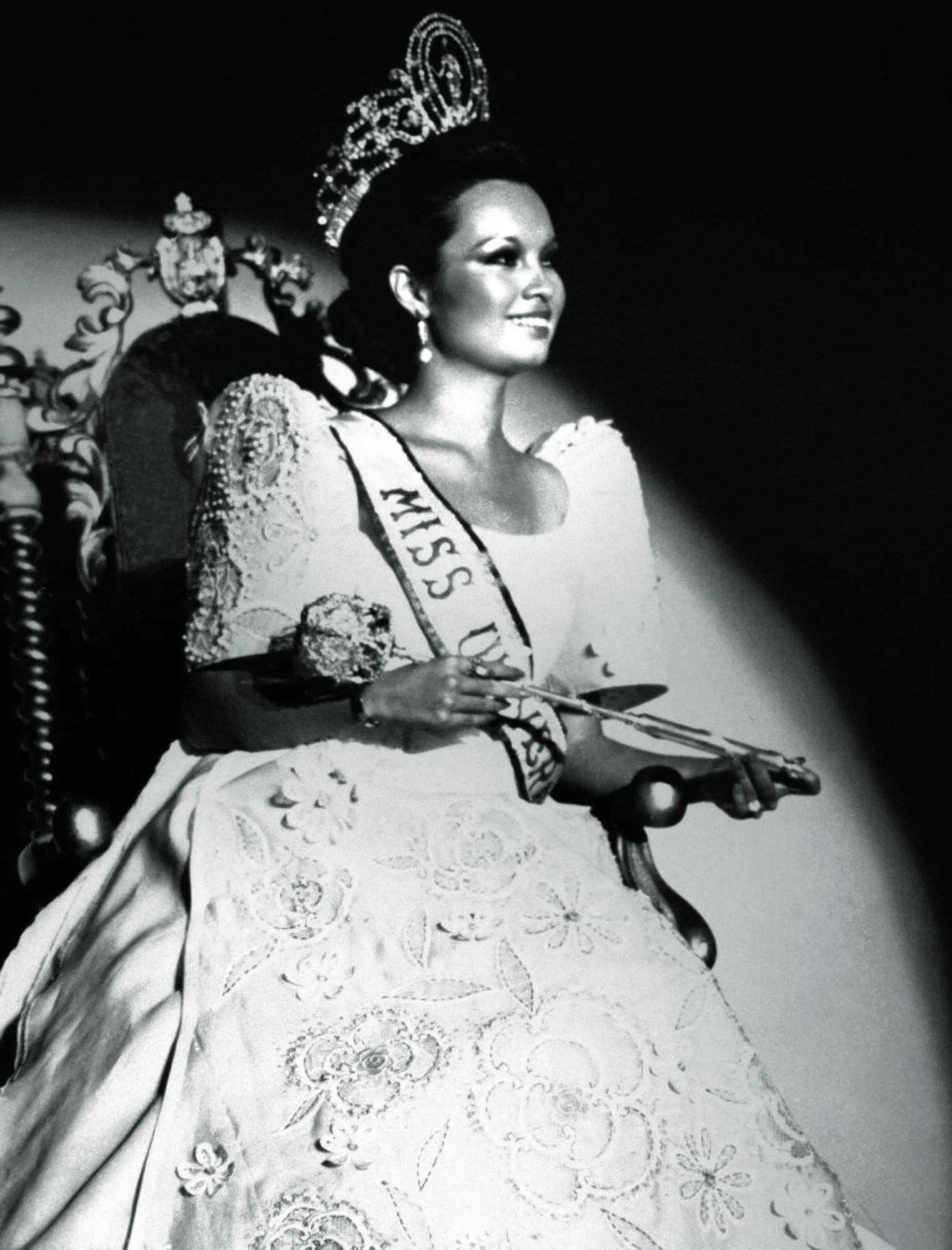
It became political. In the 1970s and ’80s, Imelda Romualdez Marcos made the terno part of her public image. After the 1986 EDSA Revolution, the dress was so tied to the Marcos years that it largely dropped out of sight. Gonzales and Castro call it a “forced hibernation.”
It came back. Designers went on experimenting through the ’90s and 2000s, and Ternocon gave a new generation a reason to learn the dress. Today you’ll see ternos at proms and graduations, at the State of the Nation Address, and as terno tops worn with jeans.
The sleeve debate
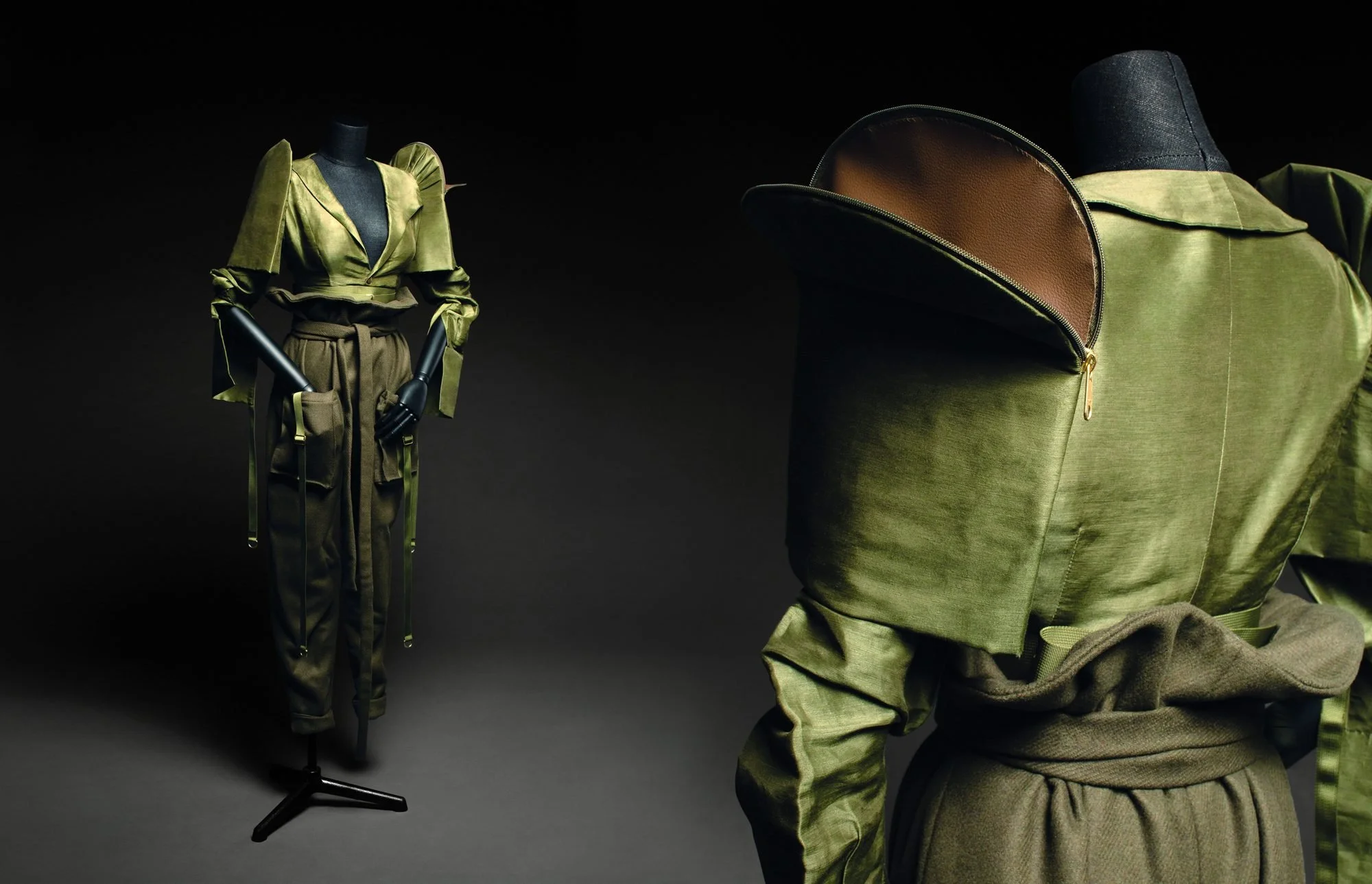
The comeback started an argument that the new book picks up. As ternos got more casual, the sleeves turned into a design element anyone could add to anything. Gonzales doesn’t object to casual ternos. “If anything, we are happy at least more people are now familiar with it,” he told Inquirer Lifestyle in 2019. What he questions is the shortcut. “It’s too easy to play with the sleeves and be hailed as an innovative designer,” he said. “I think it’s actually a bigger challenge to keep the sleeve shape and make the dress look contemporary.”
The Terno takes that further. The authors call butterfly sleeves on hoodies and swimwear “compromised” versions of the dress, and they ask designers to put Philippine identity back in through textiles, motifs, and stylized versions of the pieces the terno lost along the way. Not everyone will agree on where the line is, and that’s a question we want to put to Gonzales directly.
What you’ll find in the book
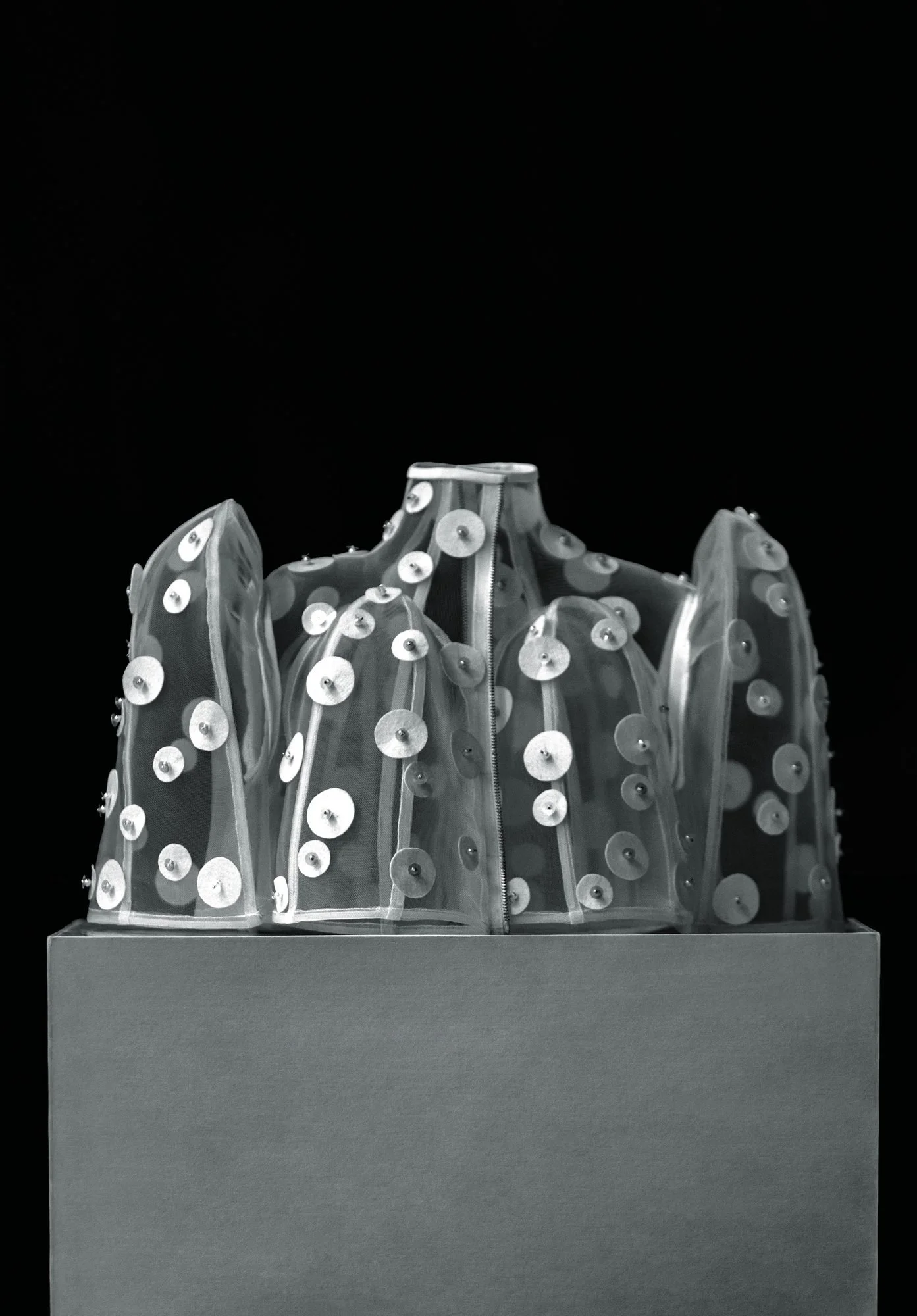
The Terno runs 392 pages, with more than 300 photographs: historical documents, restored portraits, and new photography of ternos from museums and private collections, many shown on mounted forms so you can see the full shape. It moves through the dress one decade at a time, from the 1920s to the 2020s, with room for the couturiers and for the young designers coming out of Ternocon. The forewords are by Bench chairman Ben Chan and V Magazine’s Stephen Gan, whose story involves Karl Lagerfeld and a Chanel couture show. We’ll let you read that one yourself.
There’s also a thread we didn’t expect. Among the newer designs is a 2018 terno by Nenita Morden with tattoo-inspired patterns on the camisa, a nod to the people the Spanish called the pintados. That’s the history DIWA’s Chapter I: Islas de los Pintados begins with, in April.
What we’ll ask in January
Some of what we want to know:
- Where is the line between reinventing the terno and compromising it?
- What did writing this book teach him that Fashionable Filipinas didn’t?
- Filipino fashion draws on an incredible range of materials, from piña to cañamazo. How could that range shape the wider fashion industry?
- Where does Filipino fashion go beyond the terno?
What would you ask Gino Gonzales? Send us your questions, and join The Loom to get the date and link for our January conversation first.
The Terno: A Century of the Philippine Dress by Gino Gonzales and Sandra Castro (Rizzoli, $85) is out now. Photography by At Maculangan, Patrick Diokno, and Kim Kyle Montes; cover photograph by Ronnie Salvacion; book design by Ace Anthony Escote. Images courtesy of Rizzoli New York.
Sources
- Gino Gonzales and Sandra Castro, The Terno: A Century of the Philippine Dress (Rizzoli, 2026)
- Rizzoli USA, The Terno: A Century of the Philippine Dress
- Lifestyle.INQ, The terno is back from the baul. Now what?, Oct. 4, 2019
- Lifestyle.INQ, What you didn’t know about the ‘terno’
- Philstar, Gino Gonzales and Mark Lewis Higgins tell the story of the dress, Nov. 7, 2015
- Lifestyle Asia, Rizzoli publishes The Terno: A Century of the Philippine Dress